

Close-up of a wildflower print floral fabric pattern.
A Print Name You See Everywhere, Rarely Explained
You’ve read “wildflower print” in a dozen product descriptions, but ask someone to actually define it and most people go quiet. That’s because it’s less a strict textile category and more a mood — a loosely used name rather than a formal one. Here’s what it actually refers to, how it differs from other floral styles, and why it’s become such an enduring favorite.Why the Name Itself Matters
Unlike “ditsy floral,” which describes a specific print scale, “wildflower” describes a mood and a subject matter — an intentionally imperfect, naturally scattered arrangement of mixed flower types, rather than one uniform repeated bloom.Key Takeaways
- “Wildflower print” is a descriptive style name, not an official textile category like “ditsy floral.”
- It typically mixes several flower types and sizes in an irregular, scattered layout.
- Color palette (soft/muted vs. rich/warm) determines whether it reads as spring-cottagecore or autumn-boho.
- Styling it well is mostly about anchoring one color from the print rather than adding a second pattern.
What Makes a Print a “Wildflower” Print
A true wildflower print typically features a mix of different flower types and sizes scattered across the fabric, mimicking the look of an actual wildflower meadow rather than a single, uniform repeated flower shape.Mixed Varieties, Not a Single Repeated Bloom
Where a ditsy print repeats one small flower shape evenly, a wildflower print usually combines several different flower types — small daisies, tiny buds, thin stems, and scattered leaves — for a more organic, less uniform look.An Intentionally “Imperfect” Layout
Wildflower prints often use an irregular, non-gridded layout, with flowers clustered in some areas and sparse in others, mimicking how flowers actually grow in an untended field rather than a cultivated garden.
A scattered wildflower print with mixed flower sizes and an irregular layout.
Where the Aesthetic Comes From
The wildflower print draws its visual inspiration directly from meadow and countryside imagery, tying it closely to a broader romantic, nature-inspired design movement in fashion.A Connection to Cottagecore and Countryside Style
Because of its meadow-inspired origin, wildflower prints overlap naturally with cottagecore styling, though a wildflower print can also be styled in bolder, more boho-inspired ways depending on its specific color palette.Why It Feels Different From a “Garden Floral”
A garden floral print often features larger, more cultivated-looking blooms like roses or peonies in a more structured arrangement, while a wildflower print leans into smaller, scrappier, more varied blossoms that feel found rather than deliberately arranged.Color Palettes Common in Wildflower Prints
Wildflower prints can appear in a wide range of palettes, but a few combinations show up especially often because they mimic real meadow color combinations.Soft and Muted Palettes
- Sage green
- Dusty pink
- Cream
- Soft lavender
Richer, Warmer Palettes
- Rust
- Mustard
- Deep green
- Burgundy
How to Style a Wildflower Print
Because wildflower prints tend to include multiple colors within the same fabric, styling them well is mostly about picking one color from the print to anchor the rest of the outfit.Picking an Anchor Color
Choose one shade that appears in the print — a leaf green or a soft rust, for example — and use it in a solid-color layering piece or accessory to tie the whole look together intentionally.“Designer Tip: A wildflower print already does the visual work. Pick one color from it, keep everything else solid, and resist the urge to add a second pattern.” — Elena M.
Avoiding a Busy, Uncoordinated Look
Because wildflower prints already contain a lot of visual variety on their own, pairing them with simple, solid-color accessories rather than a second competing pattern usually produces the most polished result.
A wildflower print outfit styled with solid color accessories.
Why We Named a Collection After This Print
The wildflower concept reflects exactly the kind of easy, unforced femininity we design around — pieces that feel a little scattered and organic rather than stiff or overly matched, in the same way an actual wildflower meadow looks beautiful without looking arranged. It’s part of why this print style keeps reappearing across our own designs season after season. It’s exactly why we at Honeh keep bringing wildflower prints back into our collections rather than treating them as a passing trend.Wildflower Prints in Kids’ Clothing
The same qualities that make wildflower prints appealing for adult clothing translate just as naturally to children’s pieces.Why the Print Works Well on Smaller Garments
Because a wildflower print already contains variety in flower size, it doesn’t rely on a large repeat pattern to look intentional, which means it scales down comfortably to smaller kids’ sizes without looking distorted.Pairing Wildflower Prints for Family Coordination
A wildflower print dress for a parent pairs naturally with a solid-color piece pulled from one of the print’s accent shades for a child, making it an easy option for the kind of coordinated (not identical) styling covered elsewhere on this site.Caring for Wildflower Print Garments
Because wildflower prints often include several colors within one design, a little extra care helps keep the full palette looking vibrant.Keeping the Multi-Color Print Vibrant
Cold water washing and air drying matter even more for a multi-color print, since fading affects each color slightly differently, which can shift the overall balance of the design if one shade fades faster than the others.Why Print Density Affects Wash Care
A densely printed wildflower design covers more of the fabric surface than a sparse ditsy print, meaning there’s proportionally more printed area exposed to friction and heat during washing — all the more reason to turn these pieces inside out every time.Wildflower Prints Across Fashion History
Nature-inspired florals have appeared across fashion for well over a century, and the wildflower concept specifically has had a few notable moments.Early Appearances in Textile Design
Meadow and wildflower motifs appeared in textile design as early as the Victorian era, often in more structured, illustrative forms rather than the looser, scattered layouts common today.Modern Revival in Recent Collections
The looser, more organic wildflower print style seen today gained fresh popularity alongside the broader cottagecore and countryside-inspired design movement of recent years.Distinguishing Wildflower From Similar Nature-Inspired Prints
A few related print styles get grouped in with wildflower prints, though each has its own distinct character.Wildflower vs. Meadow Florals
“Meadow floral” is sometimes used interchangeably with wildflower, though meadow prints occasionally include grasses and stems more prominently, leaning slightly more landscape-like than a pure wildflower arrangement.Wildflower vs. Pressed Flower Prints
Pressed flower prints mimic the flattened, slightly translucent look of an actual pressed botanical specimen, while wildflower prints are more illustrative and full, without that flattened quality.Choosing a Wildflower Piece That Suits You
A few practical considerations help when picking a wildflower print piece specifically for your own coloring and body type.Matching the Palette to Your Skin Tone
Warmer wildflower palettes (rust, mustard) tend to complement warmer skin undertones, while cooler palettes (dusty pink, sage, lavender) often suit cooler undertones — though this is a general guideline rather than a strict rule.Considering Scale for Your Body Type
A denser, busier wildflower print can visually add fullness, while a more sparsely scattered version tends to feel lighter and airier — worth keeping in mind alongside personal preference when choosing between different wildflower print options.Wildflower Prints in Home and Lifestyle Products
The wildflower aesthetic extends well beyond clothing, which says something about how broadly appealing the look actually is.Beyond Clothing
Wildflower prints show up regularly in home textiles, stationery, and packaging design, often for the same reasons they work in fashion: the organic, scattered layout feels approachable and calming rather than overly formal.Why the Print Translates So Well Across Products
Because a wildflower print doesn’t rely on a precise repeat or perfect symmetry, it adapts easily to different product shapes and sizes without needing significant redesign, which is part of why it appears so consistently across different categories.Final Thoughts on Choosing a Wildflower Piece
A wildflower print offers a rare combination: it’s detailed enough to feel special, but organic enough to avoid ever looking overly matched or artificial.A Print That Works With You, Not Against You
Because the layout is intentionally irregular, minor variations between individual garments (a flower landing slightly differently on one piece versus another) are part of the design rather than a flaw, which takes some of the pressure off finding a “perfectly matched” print.A Long-Term Wardrobe Addition
Given how consistently this print style has reappeared across decades of design, a wildflower piece is a reasonably safe long-term wardrobe investment rather than a fast-fading trend purchase.FAQ
Is “wildflower print” a specific, official textile term?
Not in the same strict sense as “ditsy floral” — it’s more of a descriptive name for a mixed, meadow-inspired floral arrangement rather than a precisely defined print category.What’s the difference between a wildflower print and a ditsy floral print?
A ditsy print repeats one small flower shape evenly, while a wildflower print typically mixes several different flower types and sizes in a more irregular, scattered layout.Are wildflower prints only appropriate for spring and summer?
Not necessarily — a wildflower print in warmer, richer tones (rust, mustard, deep green) can work just as well for fall styling as a pastel version does for spring.How do I style a wildflower print without it looking too busy?
Pick one color from the print to anchor your accessories and layering pieces, and avoid adding a second bold pattern on top of it.Why do wildflower prints feel so timeless compared to other floral trends?
Because they’re inspired by an unchanging natural subject (an actual wildflower meadow) rather than a specific fashion-cycle trend, they tend to avoid feeling dated the way a more graphic or era-specific floral print can.Tell Us What You Think
Have you spotted the wildflower print showing up more often lately, or do you gravitate toward a different floral style entirely? Tell us in the comments — we read every one.
-
 Price range: $22.38 through $29.07
 -
 Price range: $22.38 through $29.07
 -
 Price range: $22.38 through $29.07
 -
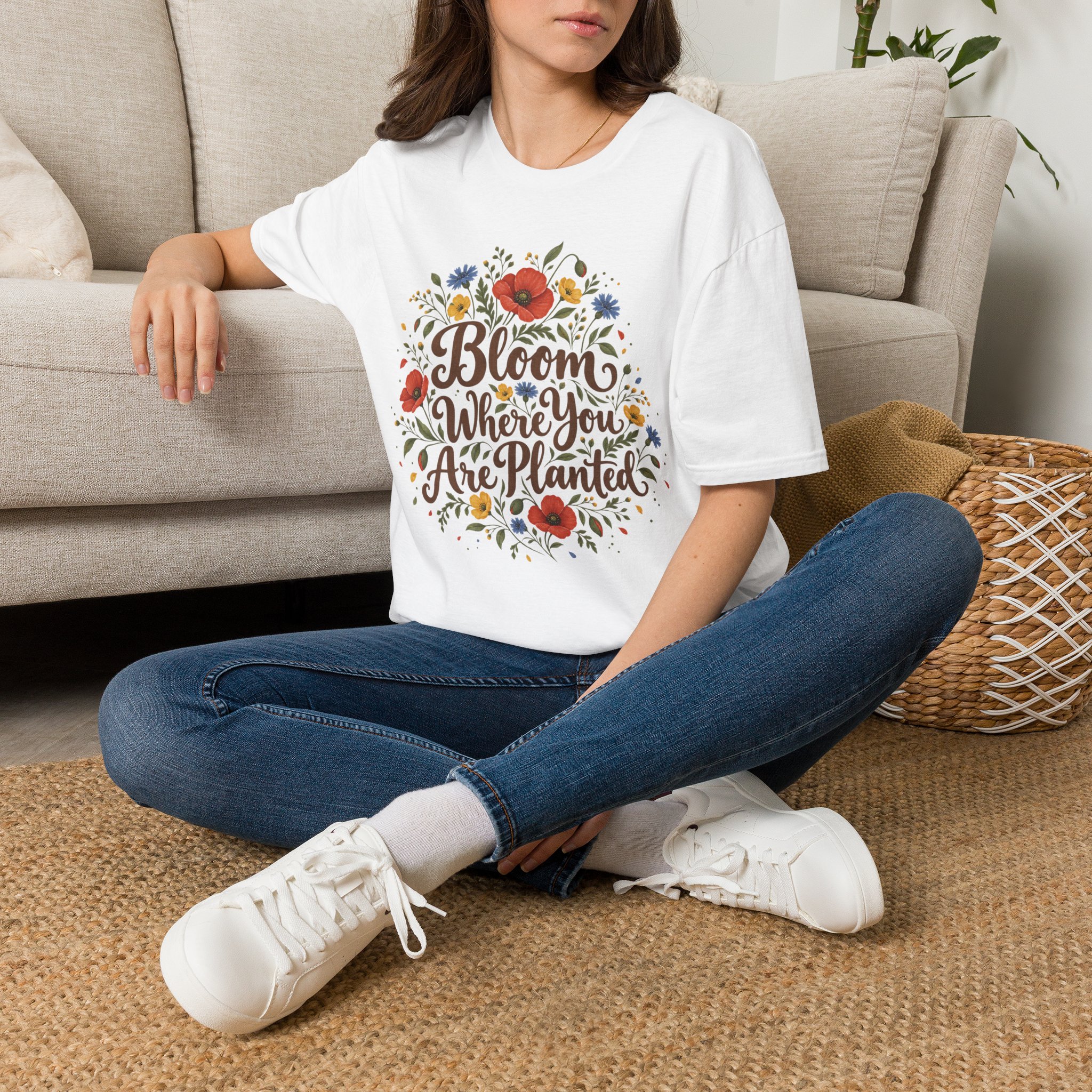 Price range: $21.43 through $28.17
 -
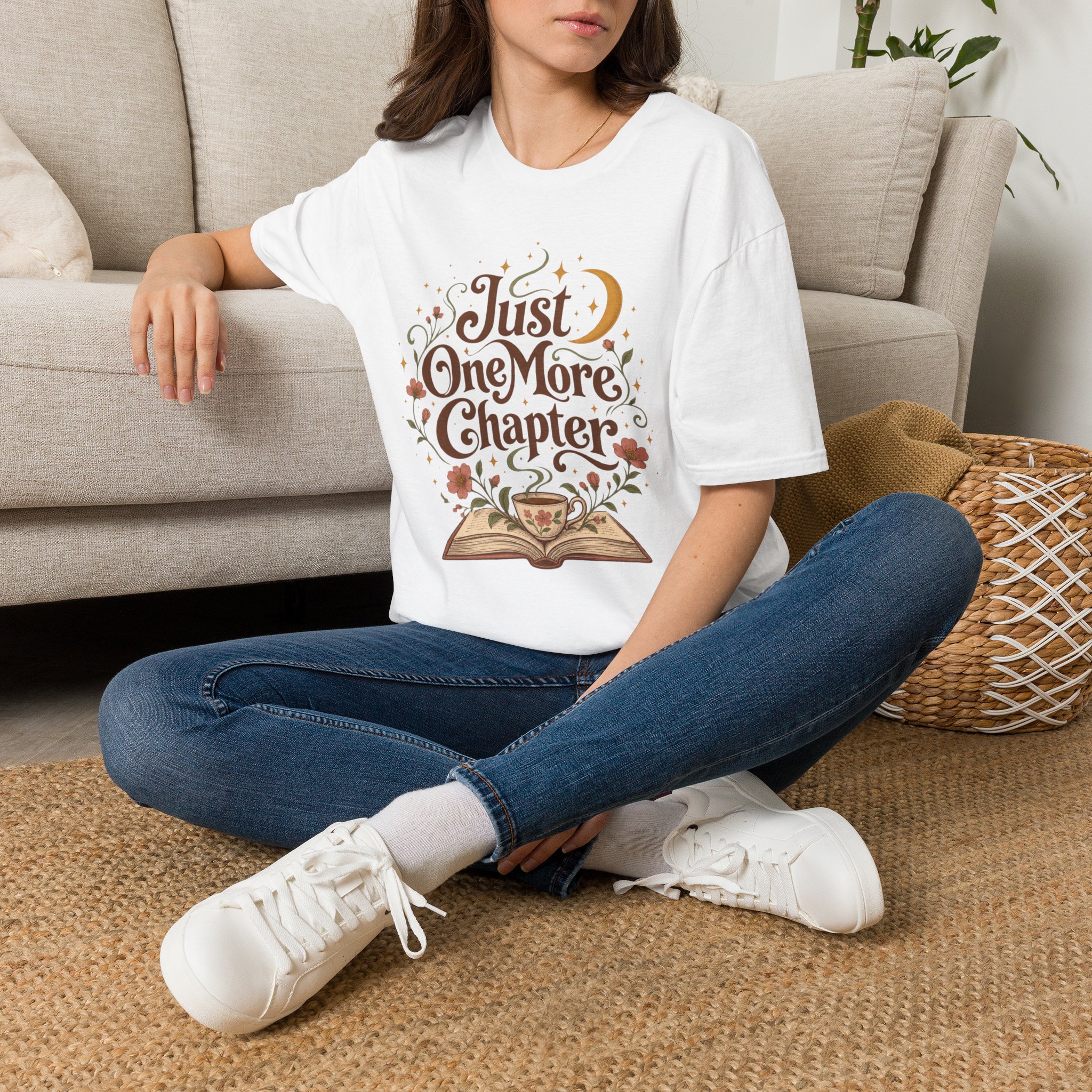 Price range: $22.38 through $29.07
 -
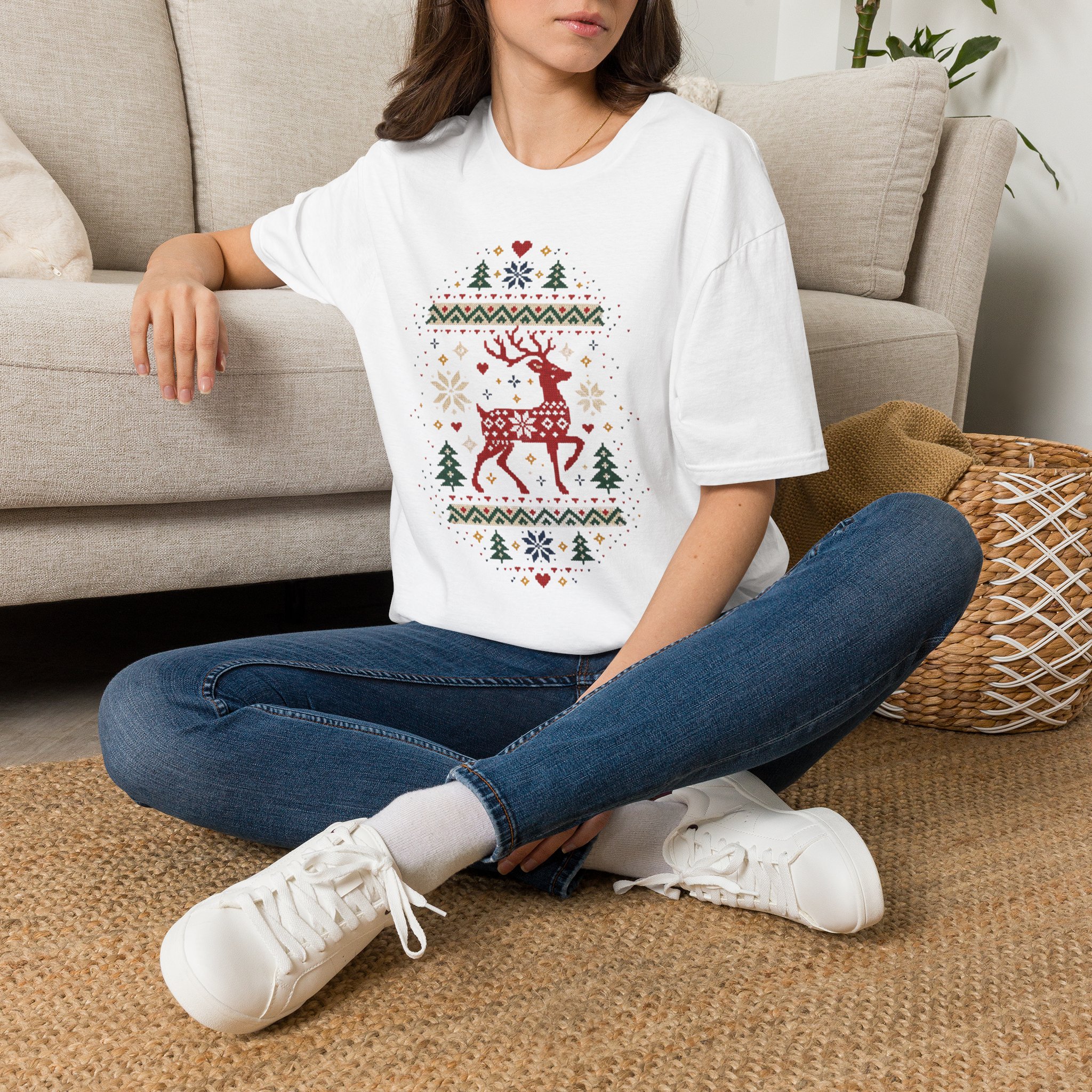 Price range: $22.38 through $29.07
 -
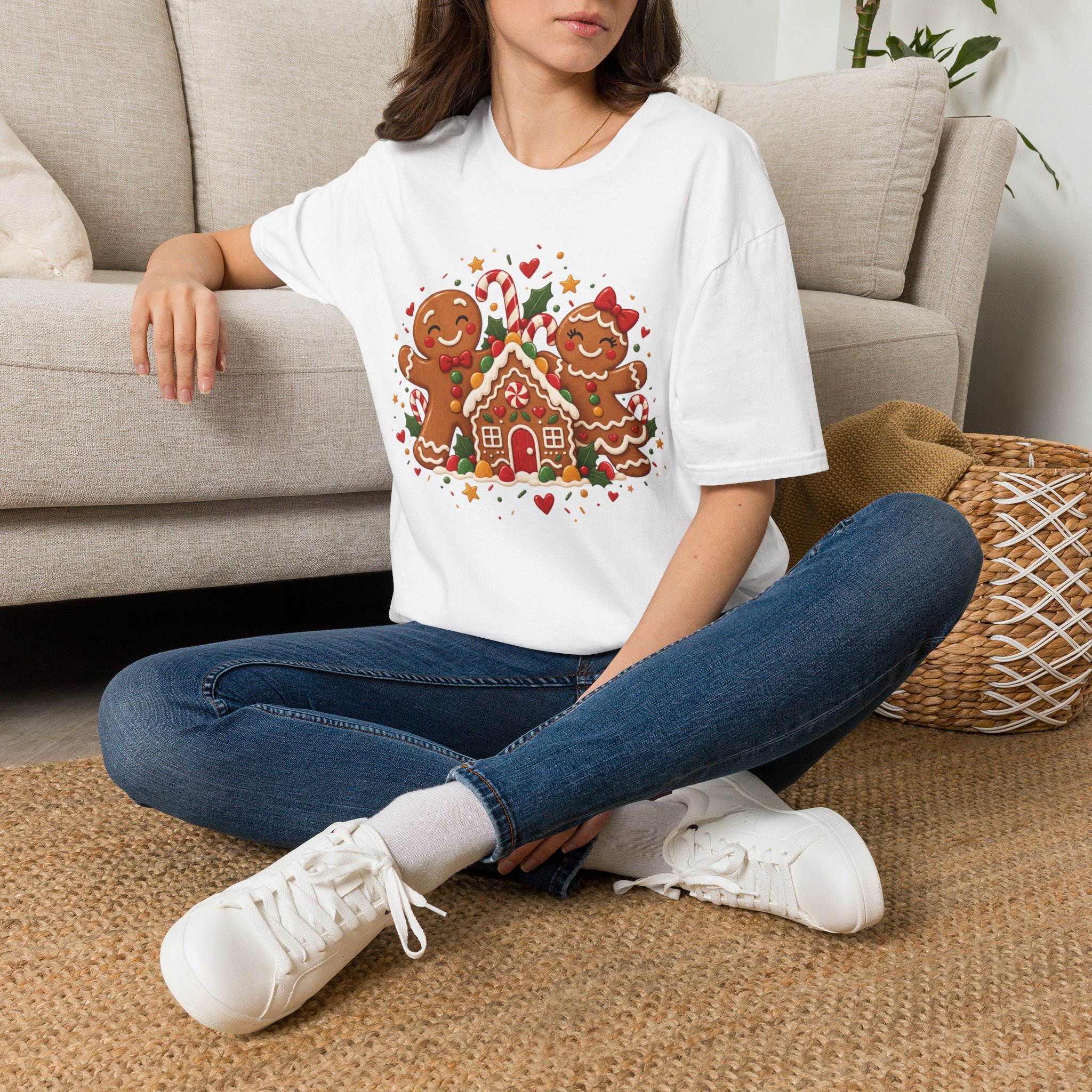 Price range: $22.38 through $29.07
Recent Comments