
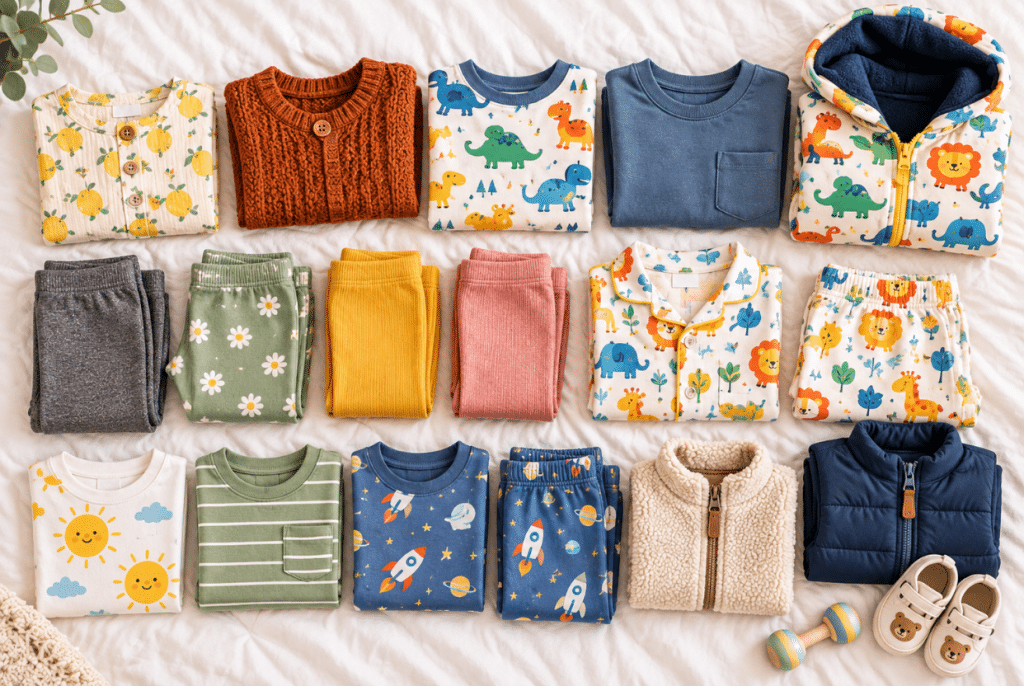
Standing in front of an overflowing toddler dresser, unable to close the drawer, while somehow still doing laundry every single day, is one of the strangest parenting paradoxes there is: too many clothes and never enough clean ones. The truth is that most toddlers don’t need nearly as many outfits as their closets suggest. A well-planned capsule wardrobe for a toddler can actually mean less laundry stress, less wasted money on sizes they’ll outgrow before ever wearing, and a much easier morning routine — all with fewer pieces, not more.
This guide breaks down exactly how many outfits a toddler realistically needs by category, how to think about sizing when kids grow so unpredictably fast, and how to build a small, flexible wardrobe that still looks put-together for daycare drop-off, playdates, and everything in between.
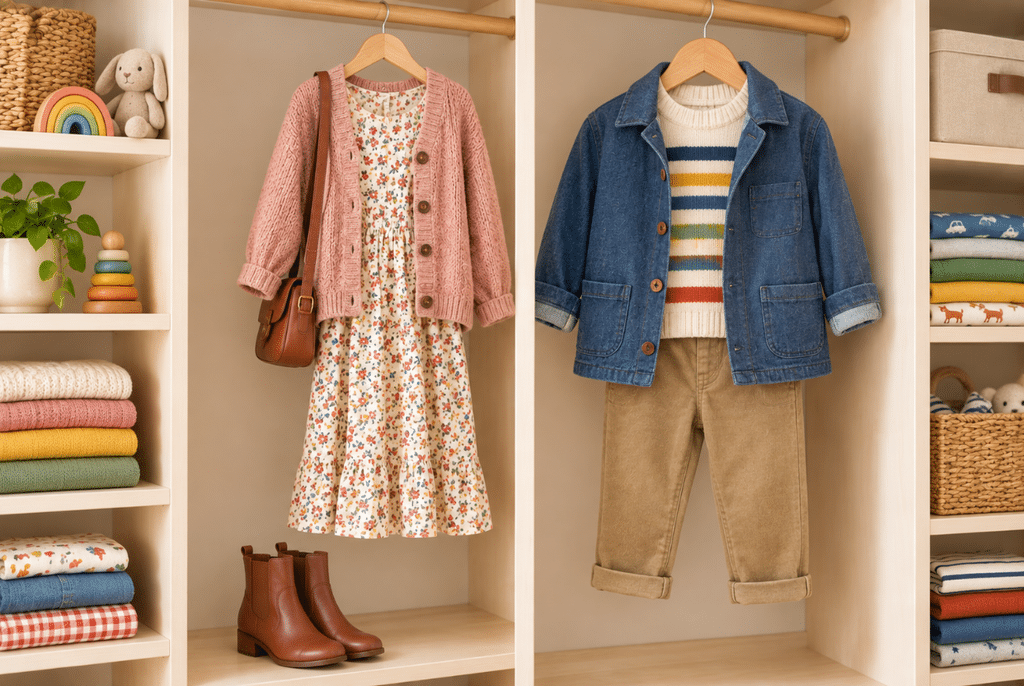
A small, organized toddler closet built around a capsule wardrobe.
Why Toddler Capsule Wardrobes Are Different From Adult Ones
An adult capsule wardrobe is usually built around style consistency and versatility. A toddler capsule wardrobe has to account for something adults rarely deal with: rapid, unpredictable growth. A toddler might comfortably wear the same size for eight months, or blow through it in three, depending entirely on their own growth curve. This means a toddler capsule isn’t just about picking fewer, better pieces — it’s about picking the right quantity at each size so you’re not left scrambling for backups or storing a drawer full of clothes that get worn twice before being outgrown.
There’s also the practical reality of toddler life itself: meals get spilled, art projects happen, outdoor play means grass stains and mud. A toddler capsule wardrobe needs to be durable and easy to wash as much as it needs to be cute, which changes some of the fabric and print choices compared to what you’d pick for an adult wardrobe.
🔑 Key Takeaways
- Most toddlers need far fewer outfits than a typical closet holds — quality and easy mixing matter more than quantity.
- Because toddlers grow unpredictably, buying too many pieces at once in one size often means clothes go unworn.
- A working toddler capsule is usually 7-10 tops, 6-8 bottoms, 5-7 pajama sets, and a small handful of outerwear pieces per season.
- Mixing and matching prints and solids intentionally lets a small wardrobe create far more outfit combinations than it looks like on paper.
- Made-to-order and small-batch pieces reduce the risk of over-buying a size before you know how fast your toddler will grow into or out of it.
How Many Outfits Does a Toddler Actually Need?
Tops: 7-10 Pieces
This gives enough variety to go roughly a week and a half between full laundry loads, accounting for at least one or two spills or messy-art-project changes per day. A mix of solid basics and 2-3 printed statement pieces tends to work better than an all-print or all-solid drawer, since solids make the prints easier to mix and match without looking chaotic.
Bottoms: 6-8 Pieces
Toddlers generally go through fewer bottom changes per day than top changes, since most spills and messes land on the torso. A mix of leggings, joggers, and one or two dressier options for outings covers most daily needs without excess.
Pajamas: 5-7 Sets
Because pajamas are worn every single night without exception, having enough sets to avoid doing laundry every single day matters more here than almost anywhere else in the wardrobe. Five to seven sets means a comfortable buffer even accounting for nighttime accidents or an unexpected mess.
Outerwear and Layers: 2-4 Pieces Per Season
A lightweight layer, a mid-weight jacket, and one heavier option for the coldest days is usually enough. Outerwear gets less wear-and-tear from daily spills than everyday clothing, so it can last through more wear cycles without needing frequent replacement, and it’s often one of the easier categories to buy secondhand or hand-me-down.
Special Occasion Pieces: 1-2 Pieces
A single dressier outfit for holidays, family photos, or celebrations goes a long way, especially if it’s a versatile enough color and print to work for more than one type of event throughout a season.
💡 Designer Tip: Buy toddler basics slightly ahead of size, but buy printed statement pieces closer to true size. A plain solid top with a little extra room still looks intentional, but an oversized print can look like it’s swallowing your toddler rather than looking stylishly roomy.
— Elena M., Honeh Design Team
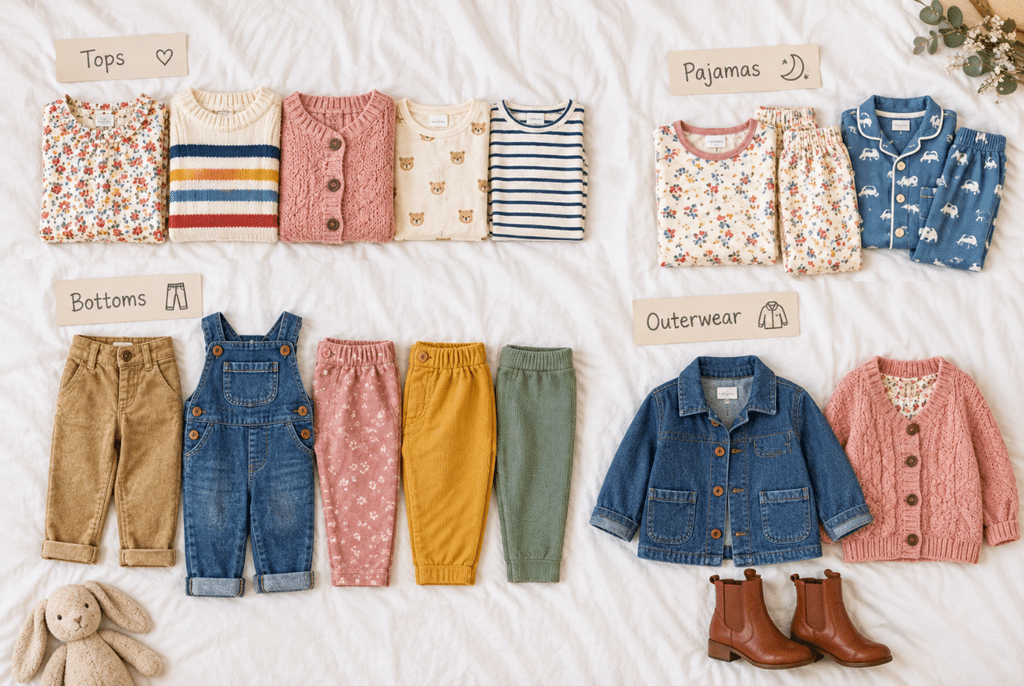
A toddler capsule wardrobe laid out and organized by clothing category.
Sizing Considerations: Buying for a Kid Who Won’t Stop Growing
One of the biggest wardrobe-budget mistakes parents make is buying a full seasonal wardrobe in one size all at once, only to find their toddler outgrows half of it before it’s been worn more than a few times. A more resilient approach is buying in two or three smaller waves through a season rather than one large haul, checking growth every 6-8 weeks and topping up only what’s actually needed rather than restocking the entire wardrobe preemptively.
This is also where made-to-order and small-batch production genuinely helps. Because made-to-order clothing is produced after you order rather than sitting in pre-made inventory, it’s easier to buy closer to when you actually need a size, rather than guessing months ahead and hoping the sizing lines up with an unpredictable growth spurt.
Mixing and Matching Prints Without Overthinking It
A small toddler wardrobe goes much further when prints and solids are chosen to work together rather than as one-off outfits. A woven gingham print paired with a solid in one of its two colors is an easy formula that almost never fails, and the same logic works for a paisley print paired back to a solid pulled from its background or accent color. Picking 2-3 prints that share a color family when you’re first building a toddler capsule means almost every top and bottom combination will work without much thought on a rushed morning.
Keeping a Small Wardrobe Looking Good Through Heavy Wear
Toddler clothing takes more abuse per wear than almost any other category of clothing, which makes durability and easy care just as important as the outfit count. Following the right care routine for kids’ printed clothing, and understanding how to stop printed clothing from fading in the wash, both matter more here than they would for occasional-wear adult pieces, simply because toddler clothes go through the wash so much more often. A print that fades after 15 washes on an adult piece might hit that same wash count in just five or six weeks of toddler-level laundry frequency.
This is exactly why we at Honeh think about toddler and kids’ pieces differently from the start — prioritizing woven patterns and colorfast printing methods specifically because we know these pieces are going in the wash far more often than a typical adult garment ever will, and they need to hold up to that reality without losing their color or shape after a month of daily wear.
Common Mistakes Parents Make When Building a Toddler Wardrobe
Buying too much at once. A full seasonal wardrobe purchased in a single haul often means some pieces are never worn before they’re outgrown, simply because growth doesn’t happen evenly across categories.
Ignoring how the pieces actually mix together. A drawer full of beautiful individual pieces that don’t coordinate with each other functionally acts like a much smaller wardrobe than it looks like on paper.
Underestimating pajama and top turnover. These two categories get the heaviest daily use and the most laundry cycles, so skimping here creates more daily friction than skimping on outerwear or special-occasion pieces ever would.
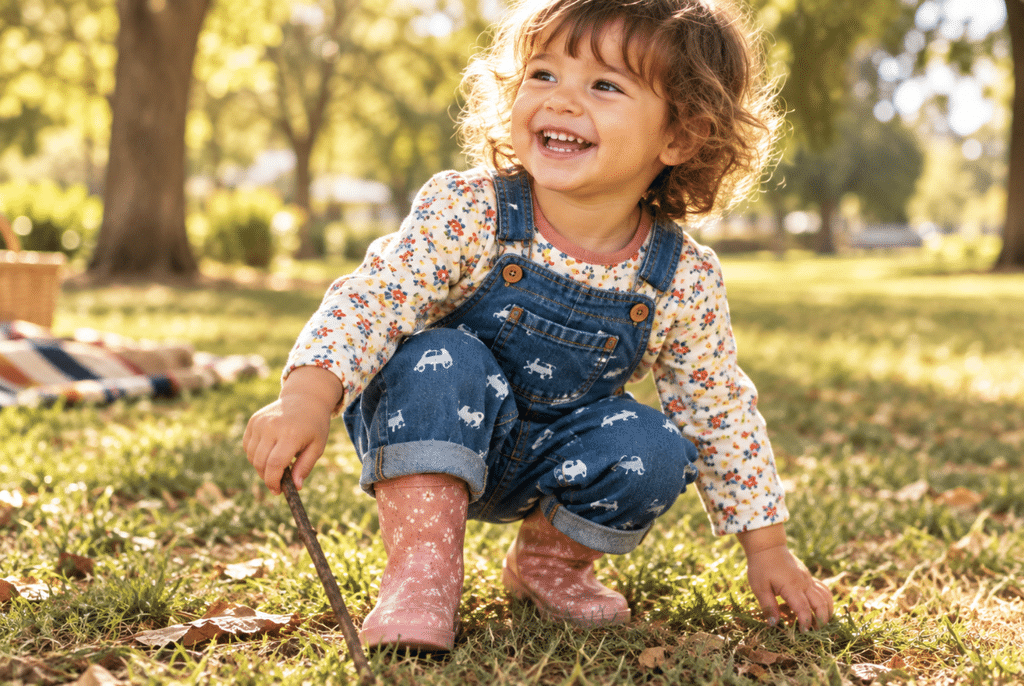
A toddler playing outside in a durable, mix-and-match capsule wardrobe outfit.
Budgeting for a Toddler Wardrobe Without Overspending
Because toddlers move through sizes so quickly, cost-per-wear is a more useful way to think about toddler clothing budgets than sticker price alone. A slightly more expensive piece that survives 40 washes and gets handed down to a sibling can genuinely cost less per wear than a cheaper piece that fades, stretches out, or develops holes after a dozen washes. Building a smaller, higher-quality capsule rather than a large, lower-quality wardrobe often ends up being the more budget-friendly choice over a full year, even though the upfront cost per piece looks higher.
Hand-Me-Downs and Multiple Kids
If you have more than one child, or plan to, durability becomes even more valuable, since well-made basics and gently-worn statement pieces can pass down through siblings rather than being replaced from scratch each time. Choosing gender-neutral colors and prints for at least some of the capsule — certain gingham and paisley colorways work well here — makes hand-me-downs even more flexible across siblings of different genders, stretching your wardrobe budget even further.
Building Your Toddler Capsule: A Sample Starting Point
A reasonable starting capsule for one season looks something like: 8 tops (5 solid, 3 printed), 7 bottoms (leggings, joggers, and one dressier pair), 6 pajama sets, 3 outerwear layers, and 1-2 special occasion pieces. That’s roughly 25 total pieces that, mixed and matched deliberately, can create well over 50 distinct outfit combinations — more than enough variety for a full season without a single unworn piece sitting at the back of the drawer.
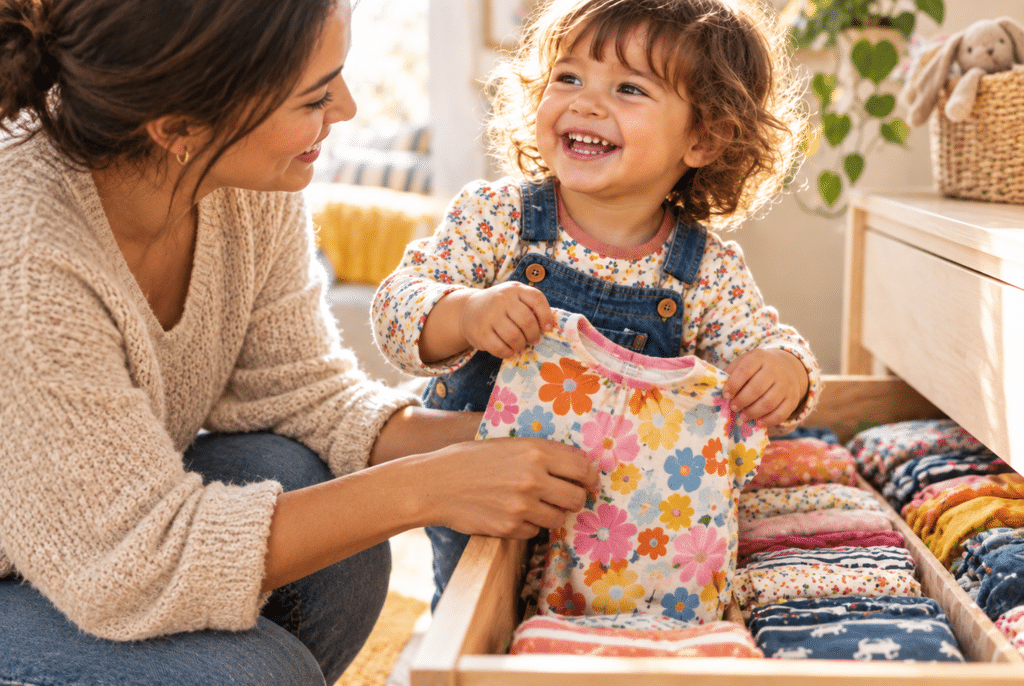
A parent and toddler picking an outfit together from an organized clothing drawer.
Building a Toddler Capsule Season by Season
Spring and summer capsules can lean lighter on layers and heavier on short sleeves, rompers, and breathable cotton, since toddlers overheat easily and comfort matters more than style points during hot weather. Fall and winter capsules need more attention to layering pieces — a base layer, a mid layer, and outerwear — since a toddler’s activity level swings between running around at full speed and sitting still, and layers let you adjust quickly rather than committing to one thick outfit for the whole day.
Because seasonal needs shift so much, it’s worth treating each seasonal capsule as its own smaller wardrobe rather than trying to build one giant year-round collection. This also naturally limits how many pieces you’re storing and rotating at any given time, which keeps the whole system easier to manage day to day.
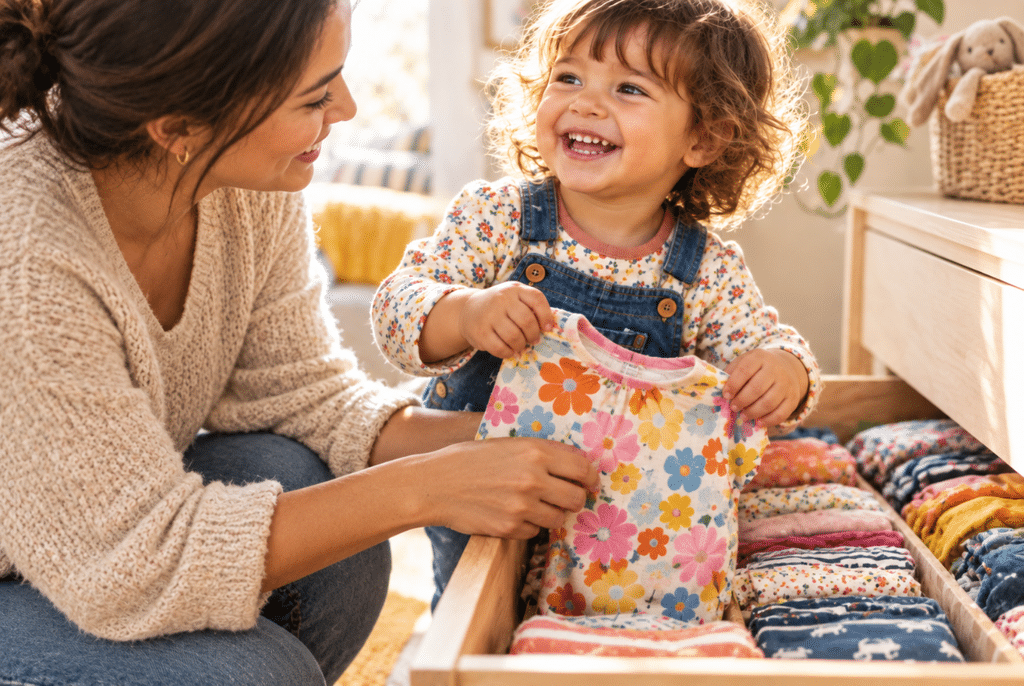
A toddler’s light seasonal outfit next to folded warmer layered clothing.
Shoes and Accessories: Keep It Simple
Toddler shoe needs are usually simpler than the rest of the wardrobe: one everyday pair, one pair for messier outdoor play, and season-appropriate boots or sandals as needed. Accessories like hats and mittens matter more for function than fashion at this age, so it’s worth prioritizing ones that are easy for a toddler to put on and take off independently, since that independence tends to reduce daily friction more than any style consideration would.
Signs It’s Time to Size Up
Rather than guessing on a calendar schedule, watch for practical signs: sleeves and pant legs that no longer reach the wrist or ankle, snaps and zippers that feel tight across the shoulders or belly, or a toddler who seems uncomfortable or restricted while playing. Checking these signs every few weeks, rather than assuming a size will last a fixed number of months, keeps the wardrobe fitting well without over-buying too far ahead.
Daycare and Group-Care Considerations
If your toddler is in daycare, it’s worth keeping a small backup set of clothes at the facility itself, separate from the main wardrobe at home, since daycare days tend to produce more unplanned outfit changes than a day spent entirely at home. Labeling pieces clearly also matters more in a group-care setting, where similar toddler basics can easily get mixed up between children.
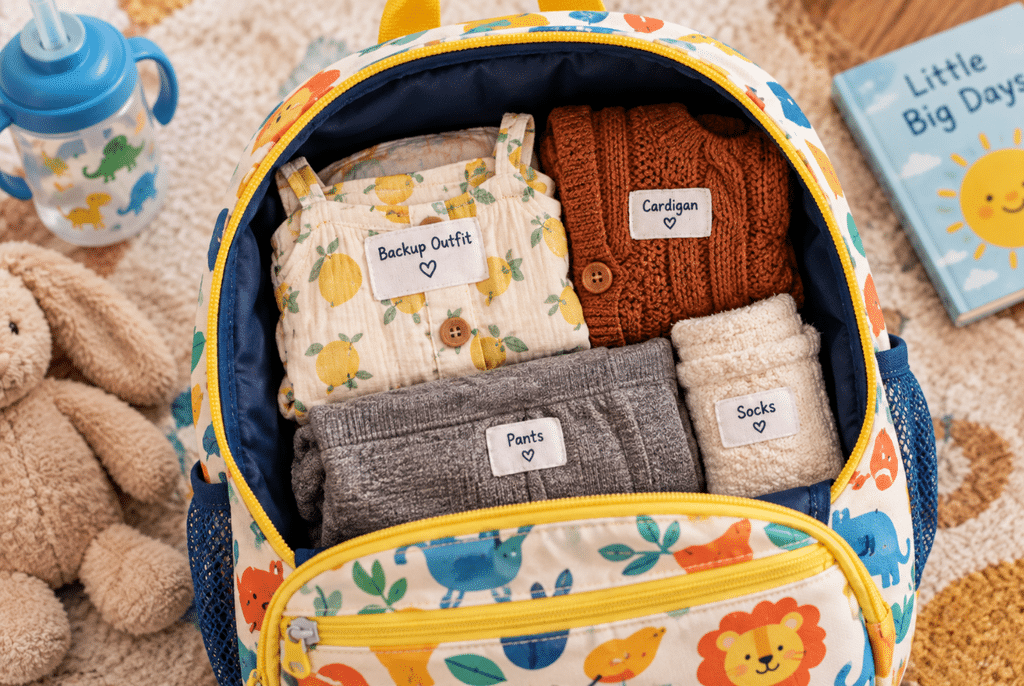
A labeled backup outfit packed in a toddler’s daycare bag.
What to Do With Outgrown Pieces
Rather than letting outgrown toddler clothes pile up in storage bins indefinitely, it helps to sort them into three simple categories as soon as a size is fully outgrown: pieces worth keeping for a younger sibling or future child, pieces in good enough condition to sell or donate, and pieces too worn to pass along that can be repurposed as cleaning rags or craft material. Doing this sort right when a size transition happens, rather than letting it accumulate for a year, keeps the whole system from becoming overwhelming and makes room for the next size up without clutter building up in the meantime.
Many parents find that a quarterly check-in — right around each seasonal wardrobe swap — is the easiest cadence to actually stick to, since it piggybacks on a sorting task you’re already doing rather than adding a brand new chore to the calendar.
This same sorting habit also gives you a clearer, more honest picture of which pieces actually earned their place in the wardrobe. If a piece comes out of storage looking barely worn, that’s useful information for your next round of buying — it might mean that print, cut, or size range simply didn’t work as well for your toddler’s routine, and it’s worth adjusting next time rather than repeating the same purchase pattern.
Over a year or two of doing this, most parents naturally converge on a personal formula — a favorite brand for pajamas, a trusted source for printed statement pieces, a preferred fabric for daily basics — and that formula becomes far more valuable than any generic outfit-count guideline, because it reflects exactly how your own child actually lives in their clothes.
FAQ
How many outfits does a toddler actually need per week?
Most toddlers do well with 7-10 tops, 6-8 bottoms, and 5-7 pajama sets, which allows roughly a week to ten days between full laundry loads while accounting for everyday spills and messes.
Is it better to buy a toddler wardrobe all at once or gradually?
Gradually is usually better. Buying in smaller waves every 6-8 weeks and checking actual growth avoids the common problem of purchasing a full seasonal wardrobe that gets outgrown before it’s fully worn.
How do I make a small toddler wardrobe look like it has more outfits?
Choose 2-3 prints that share a color family and pair them with coordinating solids. This mix-and-match approach can create far more outfit combinations than the raw piece count suggests.
Should I size up when buying toddler clothing?
For basics like leggings and plain tops, sizing up slightly can extend wear time. For printed statement pieces, truer sizing usually looks more intentional and less oversized.
What toddler clothing category needs the most pieces?
Pajamas and tops typically need the most pieces since they’re worn and washed daily, more than bottoms or outerwear which see less frequent turnover.
Are made-to-order pieces practical for fast-growing toddlers?
Yes, since made-to-order pieces are produced after ordering rather than pulled from pre-made inventory, it’s easier to buy closer to the size you actually need in the moment rather than guessing months in advance.
Does building a capsule wardrobe actually save money for toddlers?
Often yes, when measured by cost-per-wear. A smaller wardrobe of more durable, well-coordinated pieces frequently costs less over a year than a larger wardrobe of cheaper items that fade or wear out quickly.
Tell Us What You Think
How many outfits does your toddler actually wear in a typical week? We’d love to hear how your own wardrobe rotation works.

-
 Price range: $22.38 through $29.07
 -
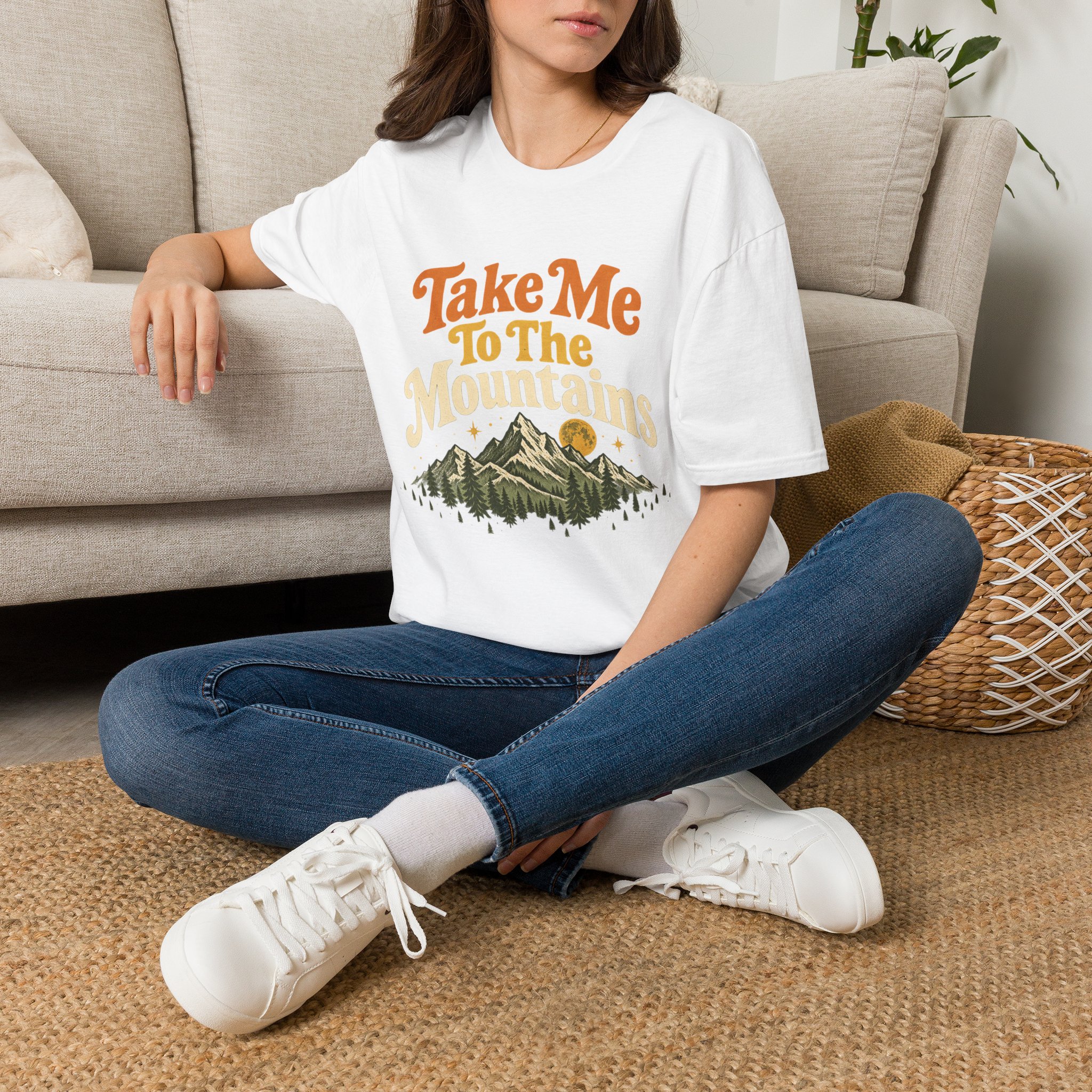 Price range: $22.38 through $29.07
 -
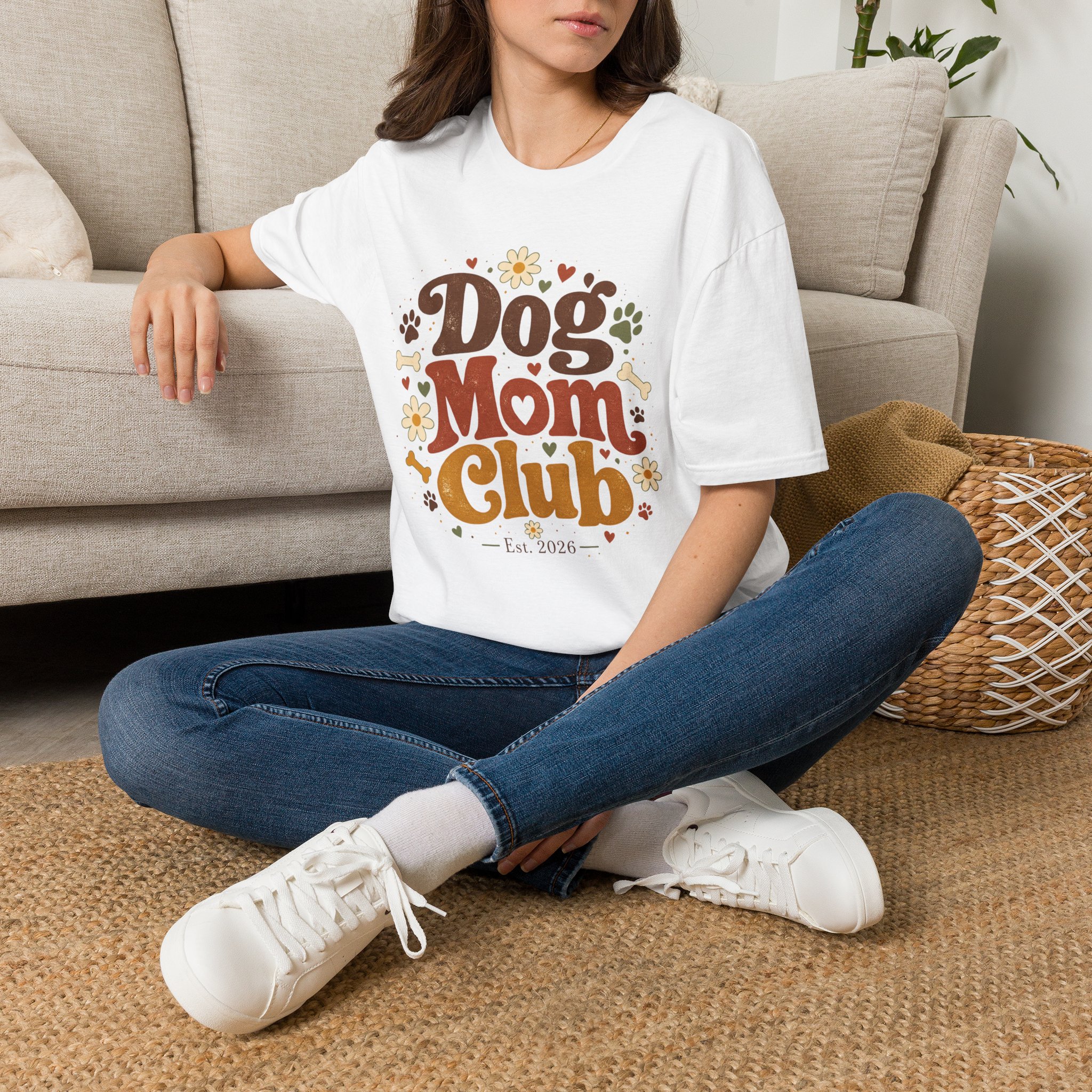 Price range: $22.38 through $29.07
 -
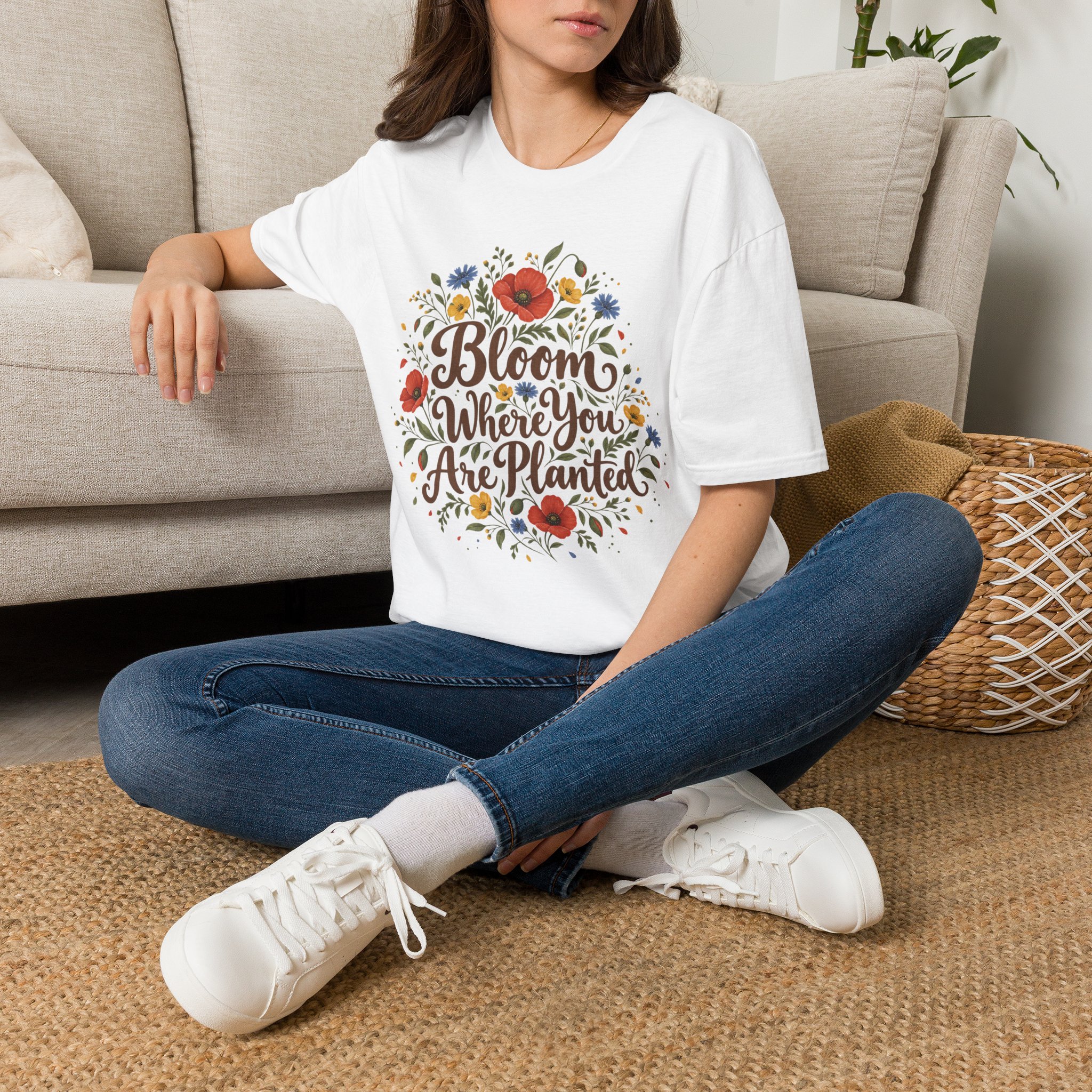 Price range: $21.43 through $28.17
 -
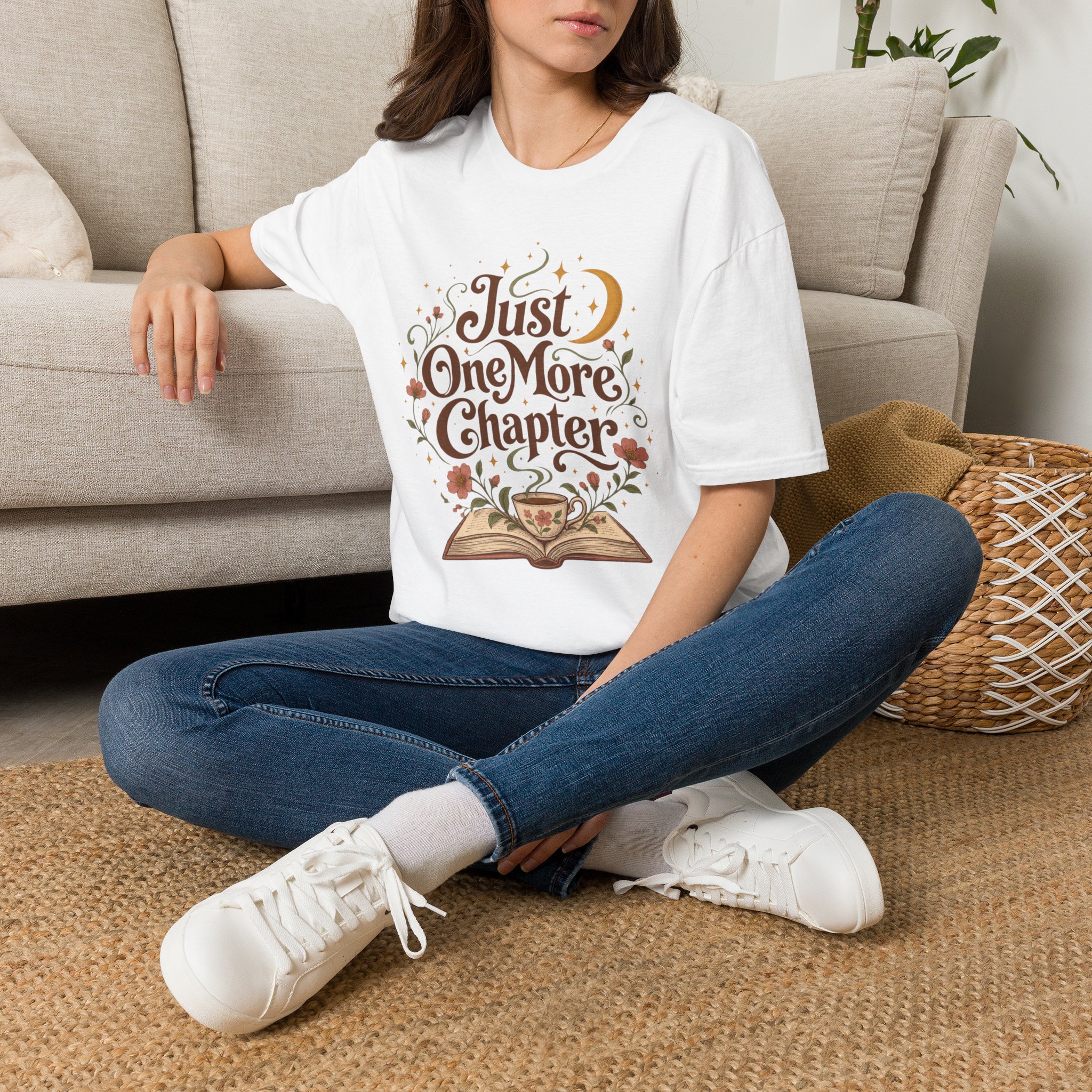 Price range: $22.38 through $29.07
 -
 Price range: $22.38 through $29.07
 -
 Price range: $22.38 through $29.07

Recent Comments