
“Slow fashion” and “fast fashion” get thrown around constantly, but most people would struggle to define either term precisely if asked — is it about price? Speed? Where something is made? This guide breaks both terms down clearly, compares them side by side on the things that actually matter to your wallet and the planet, and covers realistic ways to shift toward slower fashion without needing to overhaul your entire closet overnight. We’ll also look at where made-to-order and print-on-demand production actually fit into the slow fashion conversation, and a short history of how the industry split into these two very different speeds in the first place.
What Is Fast Fashion?
The Business Model Behind It
Fast fashion refers to a business model built around producing new clothing designs extremely quickly and cheaply, often taking styles from runway shows or social media trends and getting a similar version into stores within weeks rather than the traditional months-long fashion cycle. New collections drop constantly — sometimes weekly — rather than the traditional two or four seasons a year.
Why It Became So Dominant
Fast fashion succeeded because it solved a real problem for shoppers: it made trend-driven clothing affordable and immediately available, rather than expensive and slow to reach the average consumer. That accessibility came with tradeoffs — lower garment quality, significant unsold inventory, and labor and environmental practices that have drawn sustained criticism for decades.
What Is Slow Fashion?
A Philosophy, Not Just a Speed
Despite the name, slow fashion isn’t really about how long something takes to produce — it’s a broader philosophy that prioritizes quality, durability, fair labor practices, and reduced environmental impact over speed and rock-bottom pricing. A slow fashion piece is designed to be worn for years, not one season.
Common Slow Fashion Practices
Slow fashion brands typically favor smaller production runs, higher-quality (often natural or more sustainably sourced) fabrics, made-to-order or limited-batch production instead of mass manufacturing, and transparency about where and how a garment was actually made.
Key Takeaways
- Fast fashion prioritizes speed, trend-chasing, and low prices, often at the cost of garment durability and labor and environmental standards.
- Slow fashion prioritizes quality, durability, and transparency over speed — it’s a philosophy, not just a slower production timeline.
- Cost-per-wear (not the sticker price) is usually the fairer way to compare the two models financially.
- You don’t need to overhaul your entire wardrobe overnight — shifting even one category of purchases toward slow fashion makes a real difference.
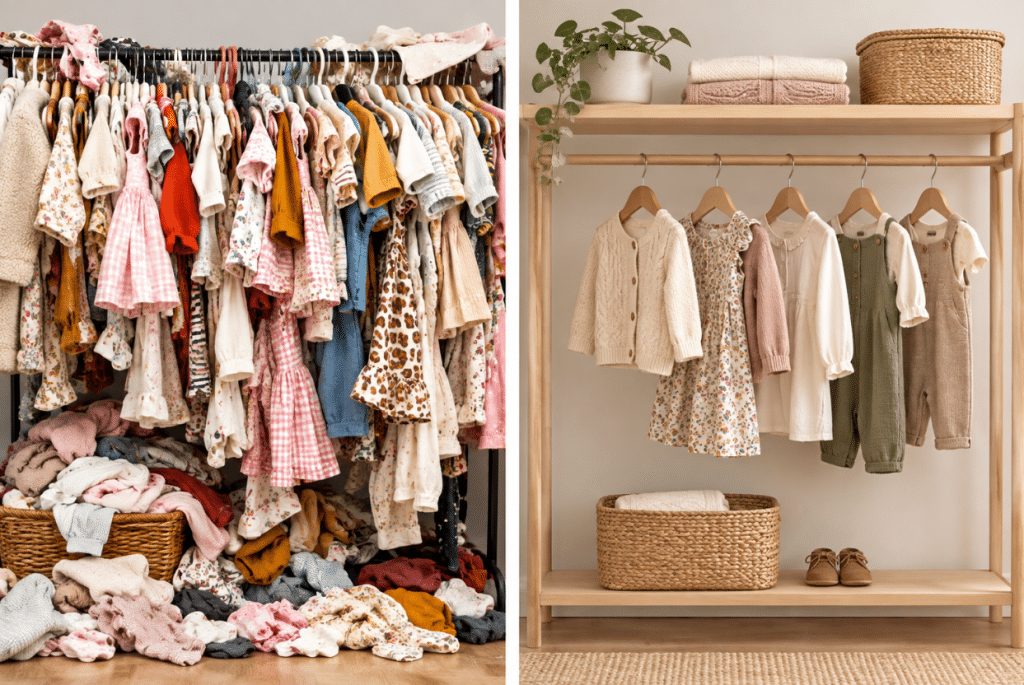
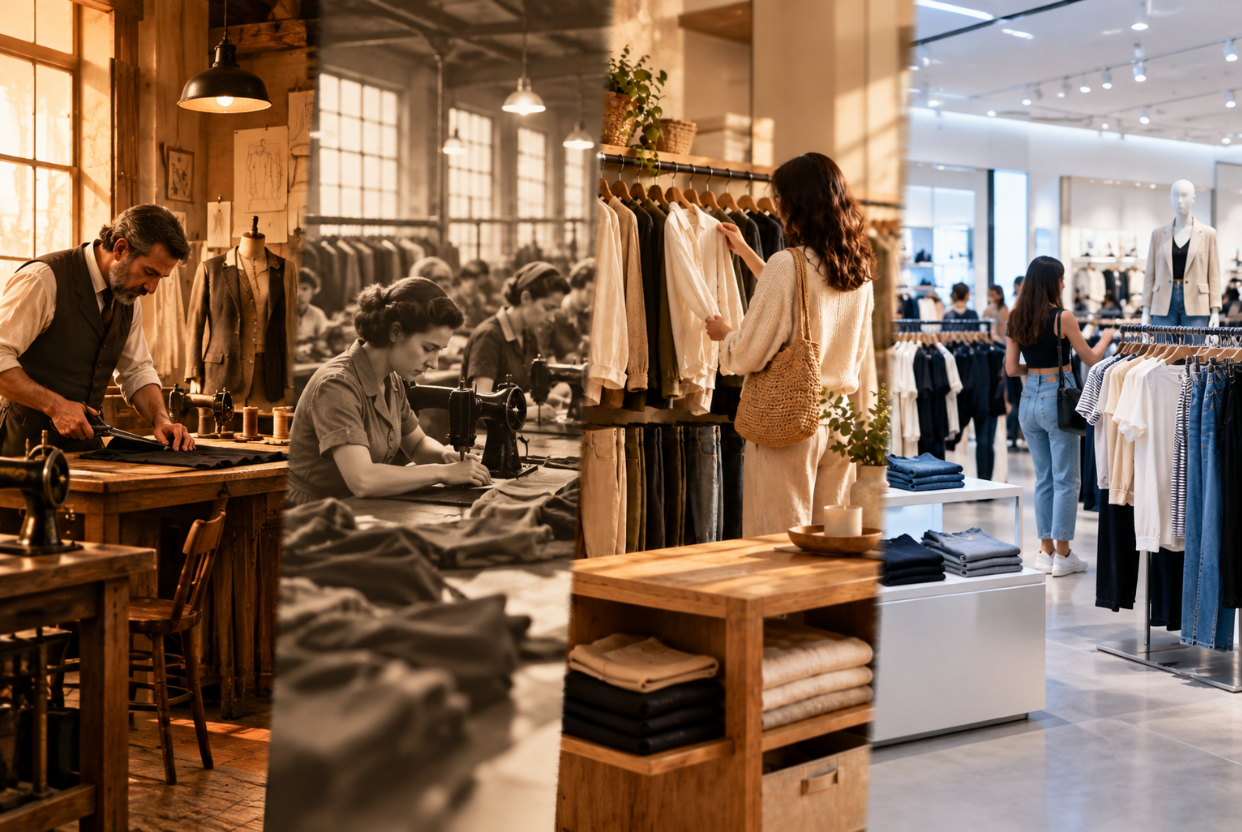
Fast fashion and slow fashion clothing racks compared side by side.
Fast Fashion vs. Slow Fashion: Side-by-Side Differences
Production Speed and Volume
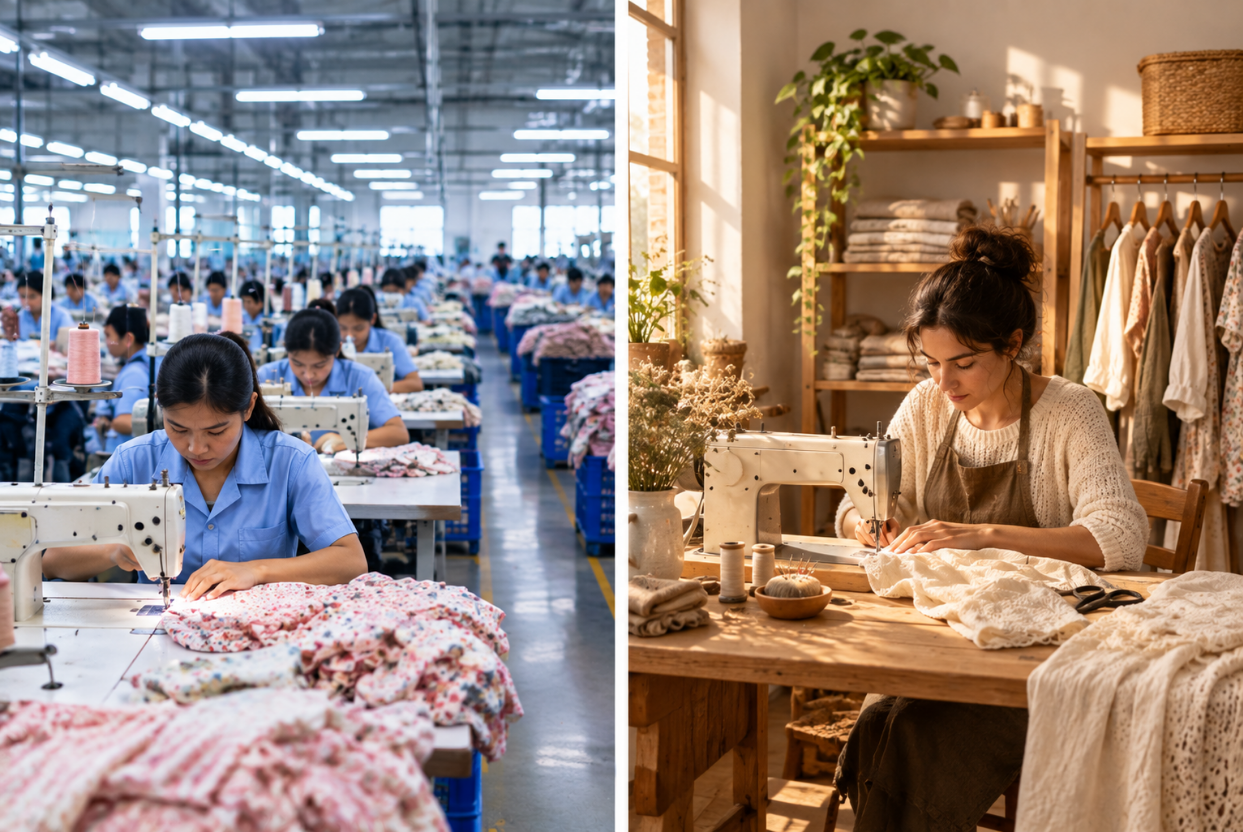
Fast fashion produces enormous volumes quickly, often speculatively (before knowing exactly how much will sell), which is directly connected to the overproduction and unsold-inventory problems covered in our guide to the hidden cost of overproduction in fashion. Slow fashion produces smaller batches, often made-to-order or in limited runs, matching production much more closely to actual demand.
Cost Per Wear
A $15 fast fashion top that falls apart after five washes and gets worn ten times works out to $1.50 per wear. A $60 slow fashion piece worn 100 times over several years works out to $0.60 per wear — cheaper in the long run, even though the upfront price tag looks higher. This is the comparison that gets skipped most often when people assume slow fashion is simply “the expensive option.”
Environmental and Labor Impact
Fast fashion’s speed and low pricing are generally only possible through high-volume synthetic fabric use, significant water and chemical consumption, and labor conditions that have faced widespread scrutiny for decades. Slow fashion brands more commonly use natural or recycled fibers, smaller-scale production, and are more likely to be transparent about their supply chain and labor practices — though “slow fashion” isn’t a legally regulated term, so this varies by brand rather than being guaranteed across the board.
“The real question is never “fast or slow” — it’s “will I actually wear this fifty times, or is it going to sit in the back of my closet after two?” Answer that honestly and the rest of the decision usually sorts itself out.” — Elena M.
Common Myths About Slow Fashion
“Slow Fashion Is Always More Expensive”
The sticker price is often higher, but as the cost-per-wear math above shows, that’s not the same as being more expensive overall. A slow fashion piece bought less frequently but worn far more often can genuinely cost less per wear than a cheap piece replaced repeatedly.
“Fast Fashion Is the Only Affordable Option”
Affordability is really about total spending over time, not just the price of a single item. Buying fewer, better pieces (including secondhand slow fashion finds) can cost less annually than a cycle of frequent cheap replacements, even if each individual purchase feels pricier.
“Slow Fashion Means Boring or Basic”
Slow fashion describes a production philosophy, not a style or aesthetic — it can be bold, printed, colorful, or trend-forward just as easily as it can be minimal and neutral. The distinction is entirely about how and how much a piece is produced, not what it looks like.
A stylish slow fashion outfit that debunks the boring or basic myth.
Where Made-to-Order and Print-on-Demand Fit In
Not Identical to Slow Fashion, But Closely Related
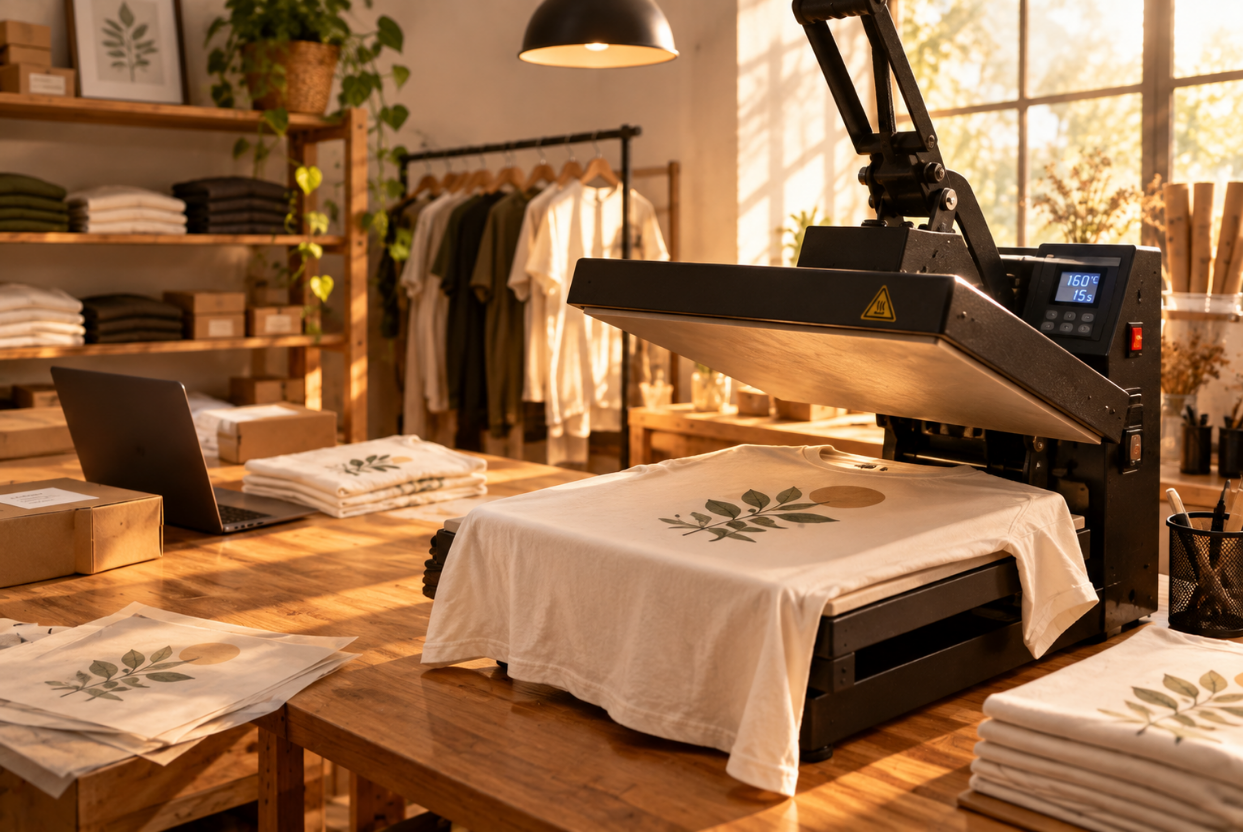
Made-to-order and print-on-demand production aren’t automatically the same thing as slow fashion, but they share the same core mechanism that makes slow fashion work: producing only what’s actually been ordered, rather than gambling on bulk production ahead of demand. Our guide to what print on demand actually means for the planet covers exactly where this model helps and where it still falls short of a zero-impact ideal.
Small-Batch Fashion as a Middle Ground
For brands that can’t make every single piece fully custom, small-batch production — making a limited, deliberately modest quantity of each design — offers a middle ground between full made-to-order and traditional mass manufacturing. Our guide on what is small-batch fashion breaks down how this model works in practice.
We at Honeh built our whole production model around this exact principle — nothing gets made until someone actually wants it, which is the single biggest lever available for reducing the overproduction problem at the root of fast fashion’s environmental impact. It also means every piece we make already has a home waiting for it, instead of hoping a warehouse full of guesses eventually finds buyers.
Small-batch clothing production as a middle ground between fast and slow fashion.
How to Start Shifting Toward Slow Fashion Without Overhauling Your Closet
Start With One Category
Rather than trying to replace an entire wardrobe overnight, picking one category — say, everyday basics or a specific occasion category — and committing to buying slower, better pieces in just that category is a far more realistic starting point.
Buy Less, Choose Well
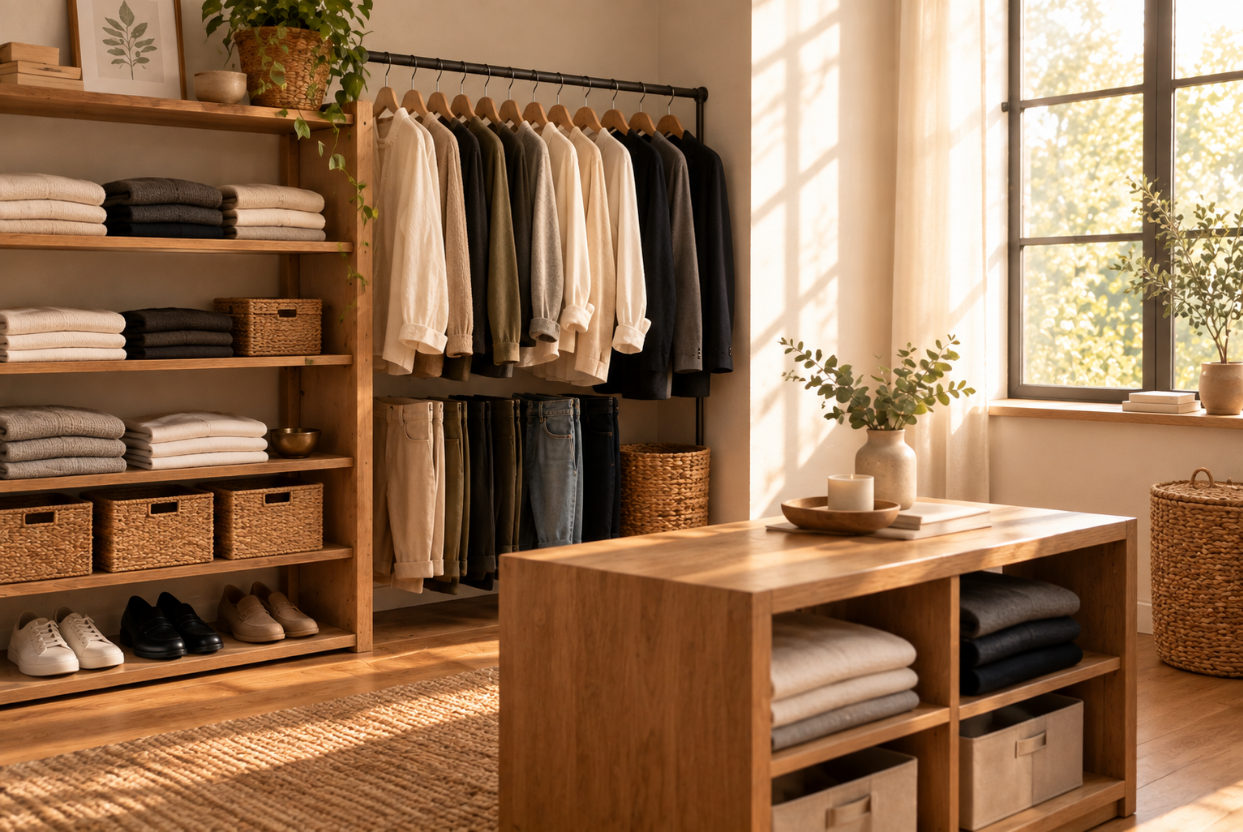
Building a smaller, more intentional wardrobe around genuinely versatile pieces naturally reduces how often you’re buying at all, which is one of the most effective slow fashion habits regardless of where each individual piece comes from. Our guides to building a capsule wardrobe and 5 timeless pieces every wardrobe needs both walk through exactly how to do this in practice.
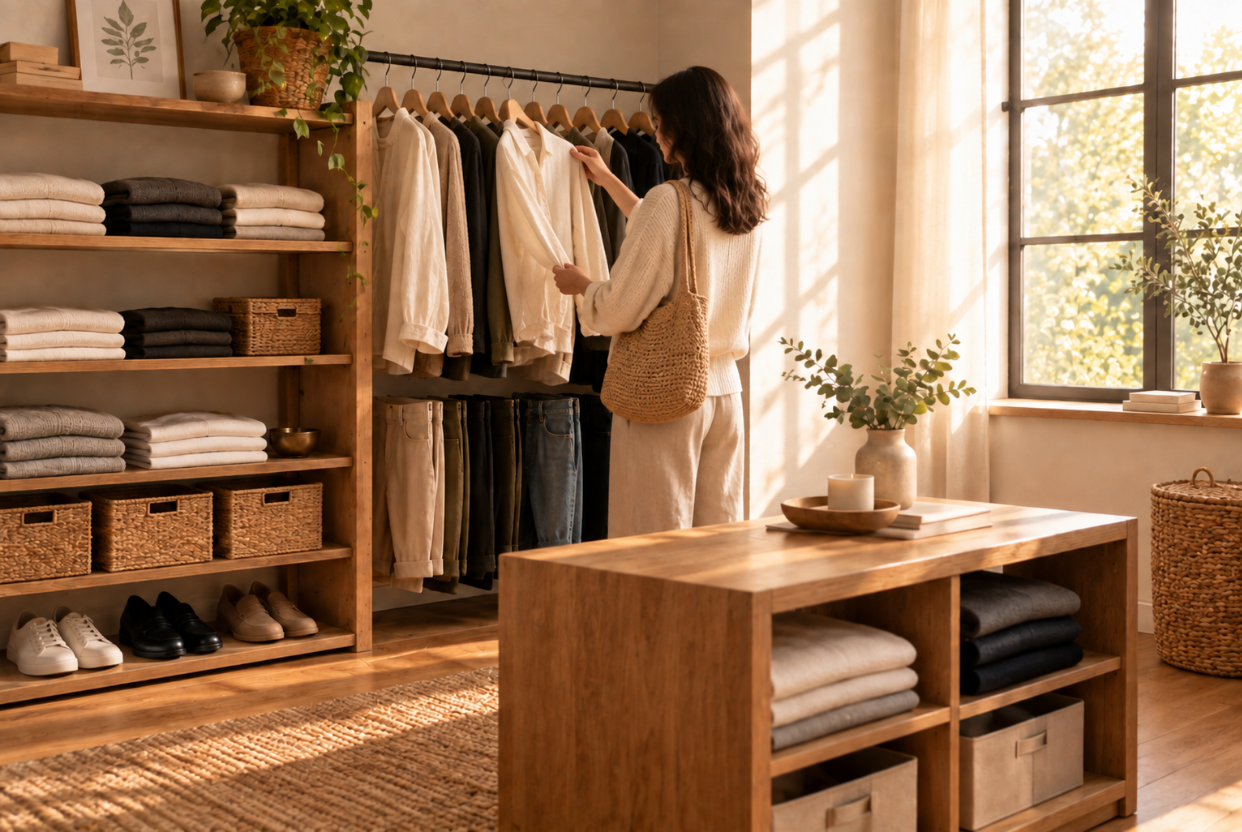
A small, curated closet reflecting a buy less, choose well wardrobe.
Is Slow Fashion Realistic for Everyone?
Budget Constraints Are Real
It would be dishonest to pretend cost isn’t a genuine barrier for a lot of households — a higher upfront price is a real obstacle even when the long-term cost-per-wear math favors the slower option. Secondhand and resale slow fashion, buying less frequently overall, and prioritizing just the pieces worn most often are all ways to work within a tighter budget while still shifting in that direction.
Progress, Not Perfection
Nobody needs to convert their entire wardrobe to be considered “doing it right.” Shifting even a portion of your clothing purchases toward slower, more durable options, while still buying some things fast and cheap out of necessity, is a meaningfully different outcome than not thinking about it at all.
Questions to Ask Before Buying Any Piece of Clothing
“Will I Wear This at Least 30 Times?”
This single question, borrowed from a well-known sustainability campaign, is one of the simplest filters available — if the honest answer is no, it’s worth reconsidering the purchase regardless of whether it came from a fast or slow fashion source.
“Do I Already Own Something Similar?”
A surprising number of purchases duplicate something already sitting unworn in a closet. Checking first avoids both the expense and the environmental cost of a piece that was never really needed in the first place.
“Can I Actually Care for This Fabric Long-Term?”
A beautiful piece that requires dry cleaning you’ll never actually do, or a delicate fabric that won’t survive your realistic laundry habits, tends to have a much shorter useful life than the fabric’s theoretical durability would suggest. Being honest about your own laundry and care habits before buying is a small act of self-awareness that saves both money and unnecessary waste down the line. It is one of the least glamorous slow fashion habits, and also one of the most effective.
Checking a garment’s fabric care label before making a purchase.
A Brief History of How We Got Here
Before Fast Fashion Existed
For most of history, clothing was expensive relative to income and produced slowly by necessity — tailored, mended, and worn for years because there was no alternative. The idea of buying a garment cheaply enough to discard after a handful of wears simply wasn’t part of how people related to clothing.
The Rise of Mass Production
Industrialization and, later, globalized manufacturing gradually made clothing production faster and cheaper throughout the 20th century, but the truly rapid, trend-chasing model most people now associate with “fast fashion” really accelerated from the 1990s onward, as global supply chains and instant trend visibility (first through media, later through social platforms) combined to compress the entire fashion cycle.
Slow Fashion as a Response
The term “slow fashion” emerged specifically as a reaction to this acceleration, borrowing its name and philosophy from the earlier “slow food” movement, which pushed back against fast food in a similar way — prioritizing quality, origin, and process over speed and convenience. Both movements share the same basic argument: that speeding something up past a certain point always costs quality somewhere along the way, even if that cost isn’t obvious at the point of purchase.
How to Read Clothing Labels Like a Slow Fashion Shopper
Fabric Content
Natural fibers (cotton, linen, wool) and higher-quality synthetic blends generally hold up to repeated wear and washing better than the cheapest possible synthetic blends often used to hit an aggressive price point.
Country of Origin and Brand Transparency
A brand willing to clearly state where and how a garment was made is generally a better sign than one that stays vague — transparency itself doesn’t guarantee ethical practices, but a total lack of it is a reliable warning sign. Certifications and third-party audits add another layer of confidence, though plenty of genuinely responsible small brands operate without a formal certification simply because the process is expensive relative to their size.
Construction Details
Reinforced seams, proper hems, and quality closures (buttons, zippers) are small details that indicate a garment was built to last rather than to survive just long enough to make it through a return window.
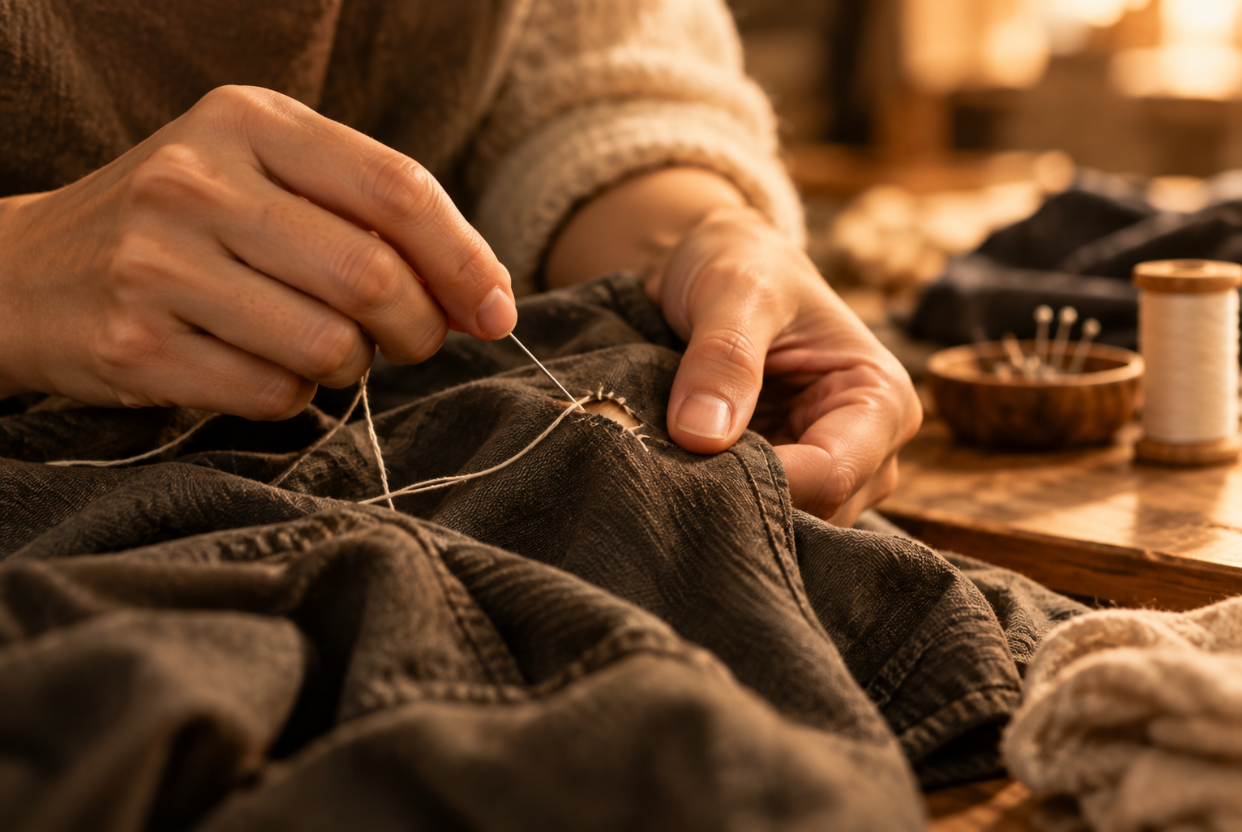
Close-up of quality construction details like stitching and seams.
Extending a Garment’s Life Is Part of Slow Fashion Too
Repair Before Replace
A missing button or a small seam tear is often a five-minute fix rather than a reason to discard a piece entirely, yet fast fashion’s low replacement cost has made repair feel unnecessary for a lot of shoppers. Relearning basic mending is one of the most underrated slow fashion habits available. Plenty of communities now have free repair cafés or basic online tutorials that make this far less intimidating than it sounds for anyone who never learned to sew.
Proper Washing and Storage
How a garment is washed and stored has a bigger impact on its lifespan than most people realize — cold water, gentle cycles, and proper folding or hanging can meaningfully extend how many years a piece stays in good condition, regardless of whether it started as a fast or slow fashion purchase.
Passing Pieces On Instead of Discarding Them
When a piece genuinely no longer fits or suits your life, donating, reselling, or passing it to someone who will actually wear it keeps it in circulation longer than sending it straight to landfill, which remains the single biggest environmental cost of the current clothing cycle regardless of where any individual piece was purchased. Community clothing swaps and local resale groups have made this step easier than ever, turning what used to require real effort into something that takes just a few minutes to arrange.
Tell Us What You Think
Where do you personally draw the line between fast and slow fashion in your own closet? Tell us how you think about it in the comments.
FAQ
What is the simplest definition of fast fashion?
Fast fashion is a business model built around producing large volumes of trend-driven clothing very quickly and cheaply, often releasing new styles weekly rather than by traditional fashion seasons.
What is the simplest definition of slow fashion?
Slow fashion is a philosophy that prioritizes quality, durability, fair labor practices, and reduced environmental impact over speed and rock-bottom pricing, regardless of how quickly a piece is actually produced.
Is slow fashion always more expensive than fast fashion?
The upfront price is often higher, but when compared by cost-per-wear rather than sticker price, a durable slow fashion piece worn many times can end up costing less overall than repeatedly replacing cheap fast fashion items.
Is made-to-order the same thing as slow fashion?
They’re closely related but not identical — made-to-order and print-on-demand share slow fashion’s core principle of avoiding overproduction, but “slow fashion” is a broader philosophy that also includes fabric choice, labor practices, and durability.
Can I practice slow fashion on a tight budget?
Yes — buying secondhand, purchasing less frequently overall, and prioritizing durability in the pieces worn most often are all ways to shift toward slow fashion principles without a large upfront budget.
Does slow fashion mean boring or basic clothing?
No — slow fashion describes a production and quality philosophy, not a specific aesthetic. It can be bold, printed, and trend-forward just as easily as minimal and neutral.
How can I tell if a brand is genuinely practicing slow fashion?
Look for transparency about where and how garments are made, smaller or made-to-order production runs, and durable, higher-quality fabric choices — since “slow fashion” isn’t a regulated term, these details matter more than the label itself.

-
 Price range: $22.38 through $29.07
 -
 Price range: $22.38 through $29.07
 -
 Price range: $22.38 through $29.07
 -
 Price range: $21.43 through $28.17
 -
 Price range: $22.38 through $29.07
 -
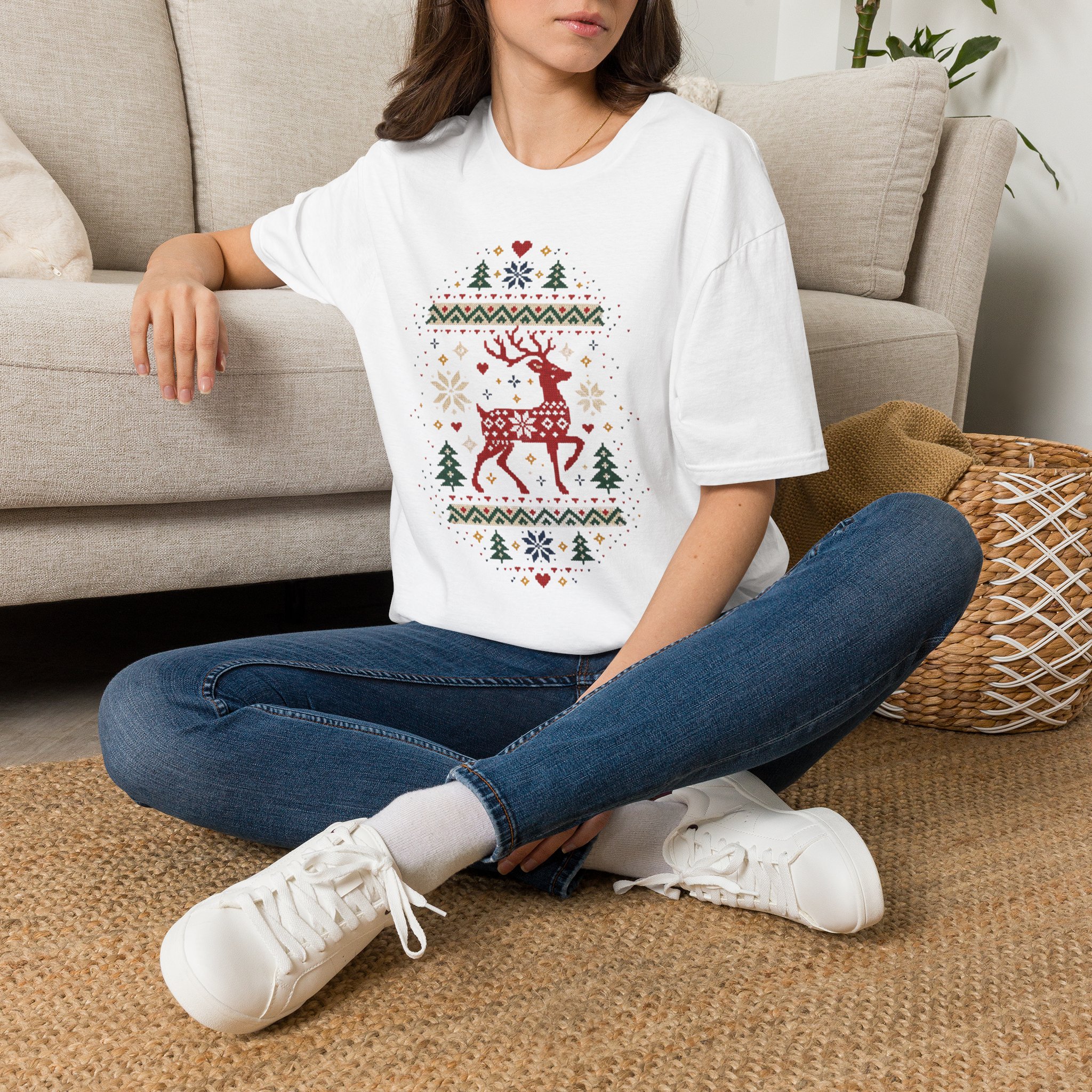 Price range: $22.38 through $29.07
 -
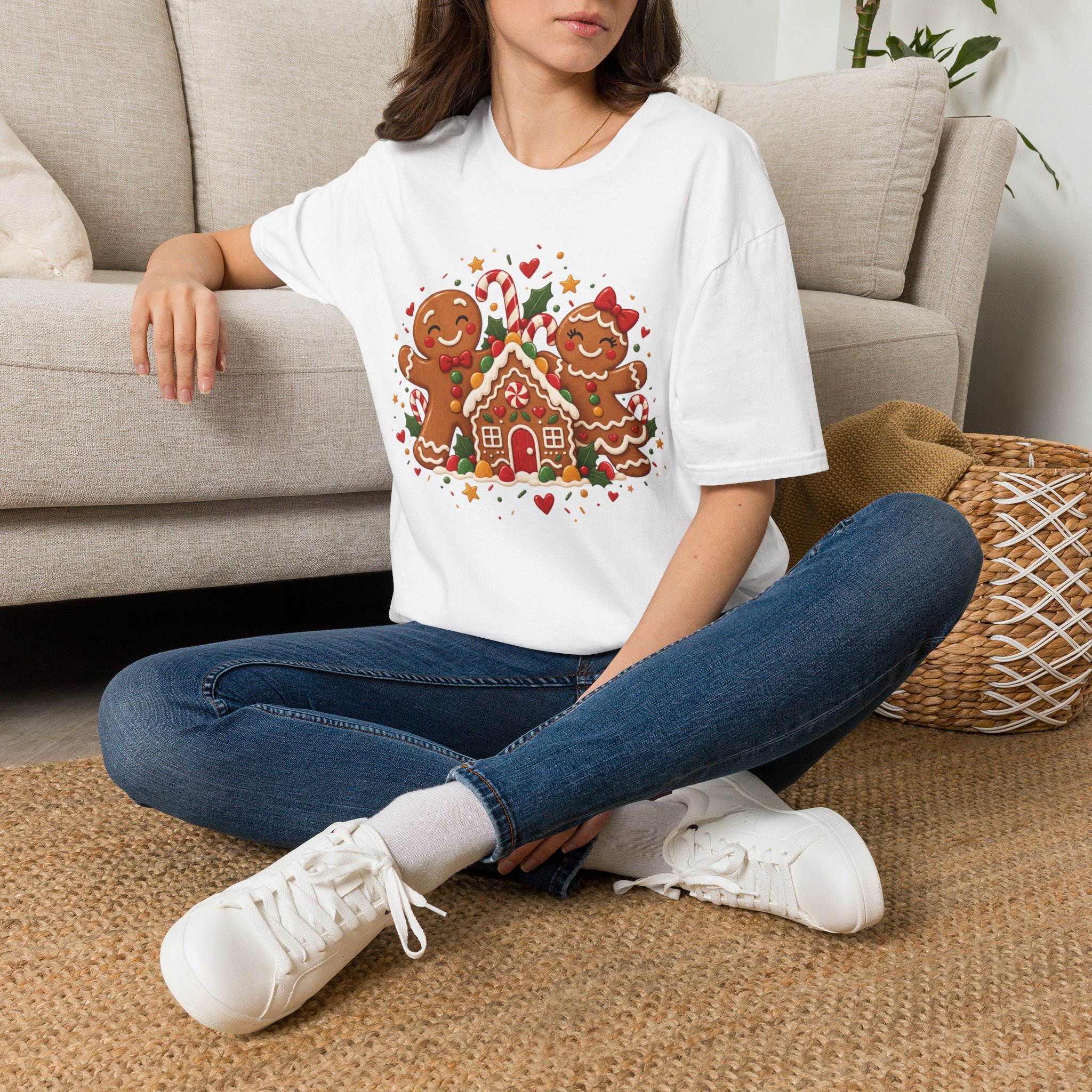 Price range: $22.38 through $29.07

Recent Comments