
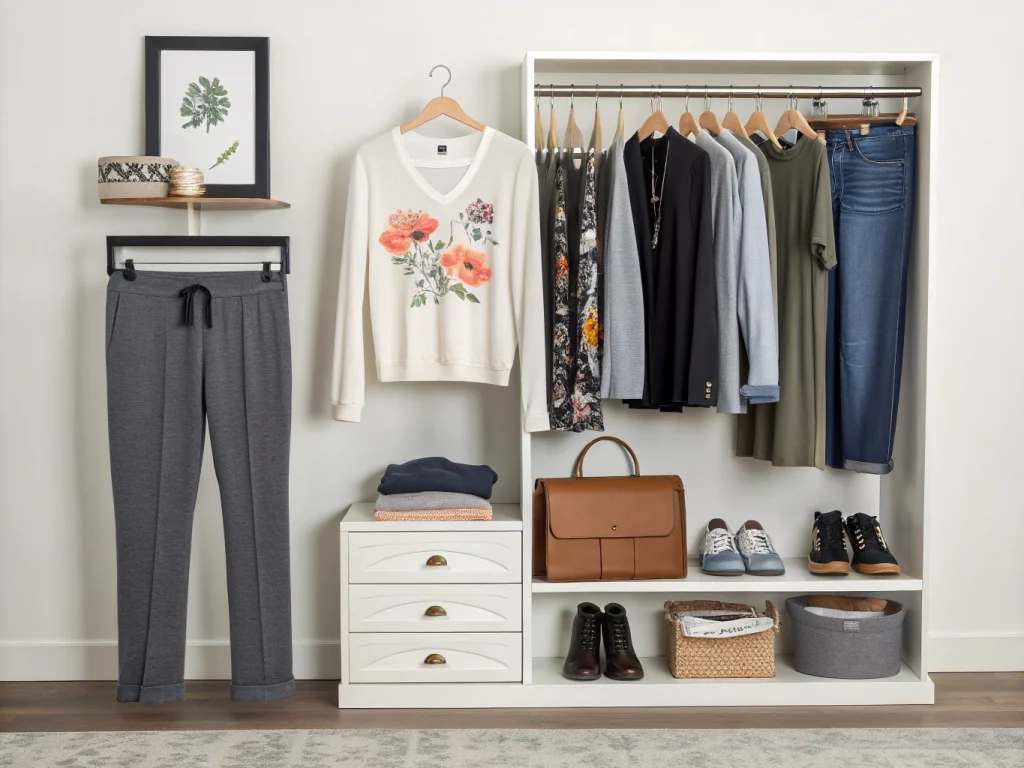
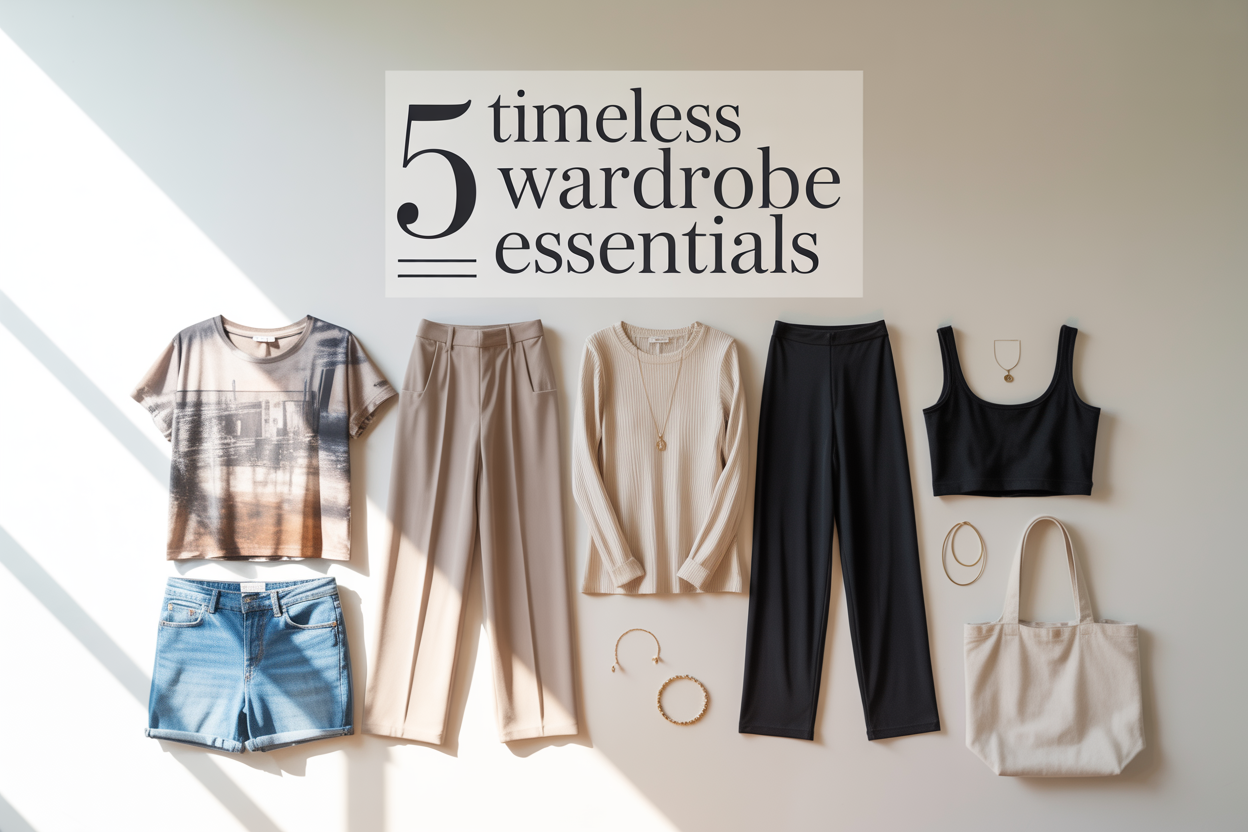
Five timeless wardrobe pieces every woman’s closet needs, print or no print.
5 Timeless Pieces Every Woman’s Wardrobe Needs
Building a wardrobe that actually works shouldn’t feel like a part-time job. If you’ve ever stared at a closet full of clothes and still felt like you had nothing to wear, this is for you.
This guide is for women who want a wardrobe that’s simple, versatile, and genuinely reflective of their style — not just a collection of safe, boring basics.
Here’s what we’ll walk through: what makes a piece truly timeless (yes, even ones with prints or personality), the five essential women’s wardrobe staples worth investing in, and how made-to-order clothing can actually make your everyday basics better. By the end, you’ll have a clear idea of exactly what your closet needs — and why.
Key Takeaways
- A truly timeless wardrobe piece works across seasons and outfits, print or no print.
- Five core pieces — a great tee, well-fitted pants, a longsleeve, reliable leggings, and a versatile crop top — cover most of your weekly dressing needs.
- Made-to-order basics tend to last longer and fit better than mass-produced alternatives.
- Building a wardrobe around a small, reliable core beats chasing trends piece by piece.
What Makes a Piece “Timeless,” Even With a Print?
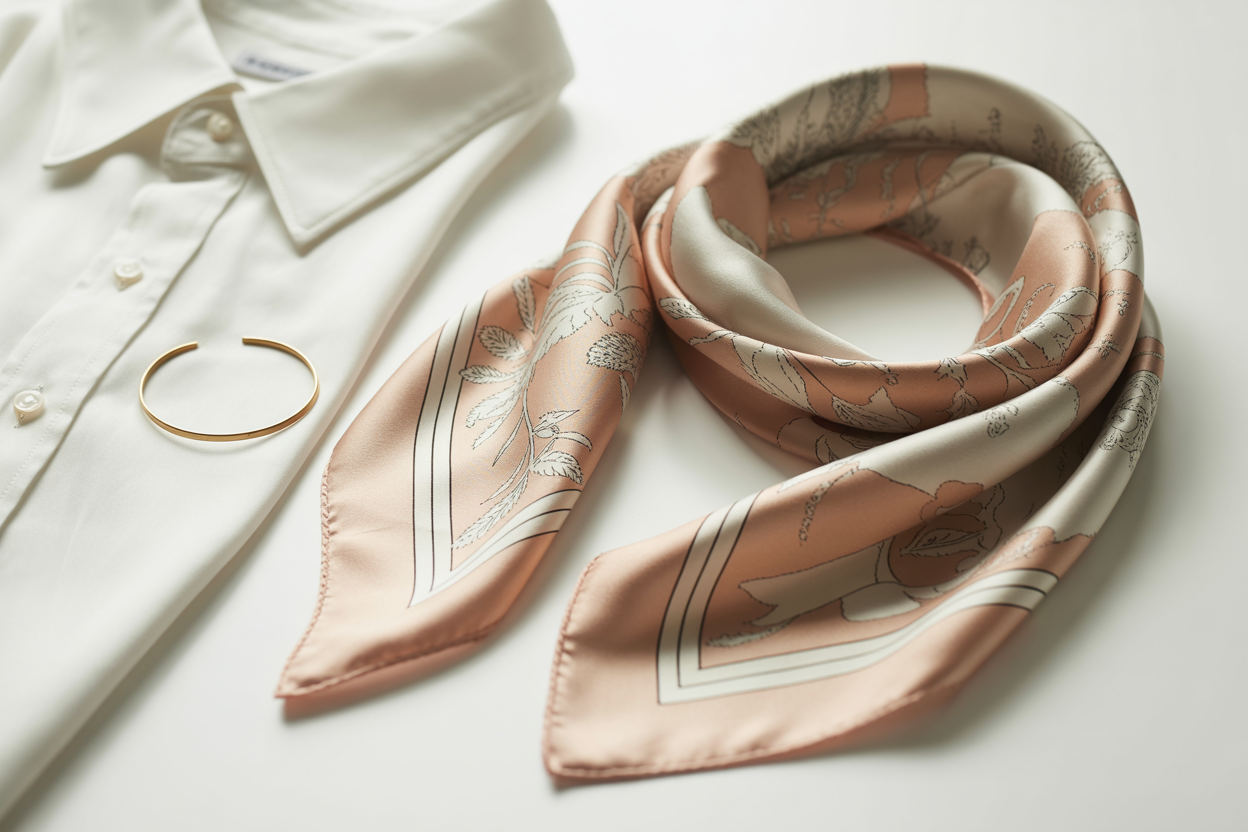
The real difference between a trendy print and a piece that stays timeless for years.
The Difference Between Trendy and Truly Wearable
There’s a misconception that “timeless” means plain, neutral, and safe. A white tee. Black pants. Beige everything. But that’s not really what timeless means — that’s just boring.
A piece earns the “timeless” label when it stays relevant across seasons, situations, and style shifts. The real question isn’t whether something has a print or a bold color. It’s whether the piece works for you consistently, year after year, without feeling like it belongs to a specific moment in time.
Think about a classic striped Breton top. It has a print. It has personality. And it’s been in wardrobes for decades without ever feeling outdated. The same logic applies to a graphic tee featuring artwork you genuinely love, or a floral pattern that doesn’t scream “this was made in a specific season.”
What makes something timeless comes down to a handful of qualities — and none of them require you to stick to solid colors.
What Actually Gives a Piece Staying Power
The Fit Does Most of the Work
A good fit is what separates a piece you reach for constantly from one that hangs in your closet untouched. When something fits well — not too tight, not swimming on you, hitting you in the right places — it automatically looks more intentional and polished.
Fit also affects how long something feels current. Poorly fitted clothes look dated quickly because they draw attention to construction rather than the person wearing them. A well-fitted piece, even with a bold print, centers you.
The Design Has Depth, Not Just Decoration
There’s a difference between a print that was slapped onto fabric to fill space and a design that actually means something or carries visual interest over time.
Designs with depth — whether that’s intricate linework, meaningful imagery, vintage-inspired art, or clean graphic elements — age well. They feel considered. Designs that feel mass-produced or trend-chasing tend to look stale within a year or two because they were never really meant to last.
Ask yourself: would you still love this design in five years? If the answer is yes, that’s a good sign.
The Versatility Factor
A truly timeless piece can move across different contexts without much effort. You can dress it up, dress it down, layer it, or wear it solo. That flexibility is a big part of what makes something worth investing in.
| Versatile Piece | Works For |
|---|---|
| A fitted graphic tee | Casual outings, layered under a blazer, tucked into a skirt |
| A longsleeve with a subtle print | Everyday wear, under overalls, paired with tailored trousers |
| A crop top with personality | Layering under jackets, pairing with high-waisted bottoms, casual events |
If a piece only works in one specific outfit, it’s a costume, not a wardrobe staple.
Quality That Goes the Distance
Timeless pieces don’t just look good — they hold up. The fabric maintains its shape after washing. The print doesn’t crack or fade after a few wears. The seams stay intact.
Fast fashion has made it easy to treat clothes as disposable, but truly timeless wardrobe staples are built differently. They’re made with materials that last and construction that’s actually thought through. That durability is part of what makes them feel reliable season after season.
Why Prints Don’t Disqualify a Piece From Being Timeless
There’s a version of minimalist fashion advice that treats prints as inherently temporary — the idea being that patterns are “statement” choices that go in and out of style. That’s not really how it plays out in practice.
What matters is which print and how it’s executed.
- Oversaturated, logo-heavy, or trend-specific prints tend to date quickly because they’re tied to a cultural moment rather than a personal aesthetic.
- Prints that reflect your actual taste — whether that’s abstract art, nature-inspired designs, vintage graphics, or bold geometric patterns — become signatures of your personal style rather than evidence of a trend you followed.
Personal style is, by definition, timeless for you. When you wear something that genuinely reflects who you are, it never goes out of style in your wardrobe because it was never about the trend to begin with.
The Emotional Side of Timeless Dressing
There’s a practical element to timelessness — fit, versatility, quality. But there’s also an emotional one that doesn’t get talked about enough.
Clothes you feel genuinely good in become timeless through use. You wear them constantly, they become associated with good memories, and they feel like you. That kind of connection doesn’t happen with something you bought because it was on trend or on sale.
The pieces that stick around in wardrobes for years are almost always ones that made the person feel like themselves when they put them on. That feeling doesn’t expire.
So when you’re deciding whether something belongs in your core wardrobe, the question isn’t just “is this practical?” It’s also: does wearing this feel right? Do you feel like yourself in it? Do you feel good?
If the answer is yes — print, pattern, bold color, and all — that piece has every quality it needs to be a wardrobe staple.
1. A T-Shirt With a Design You Actually Love
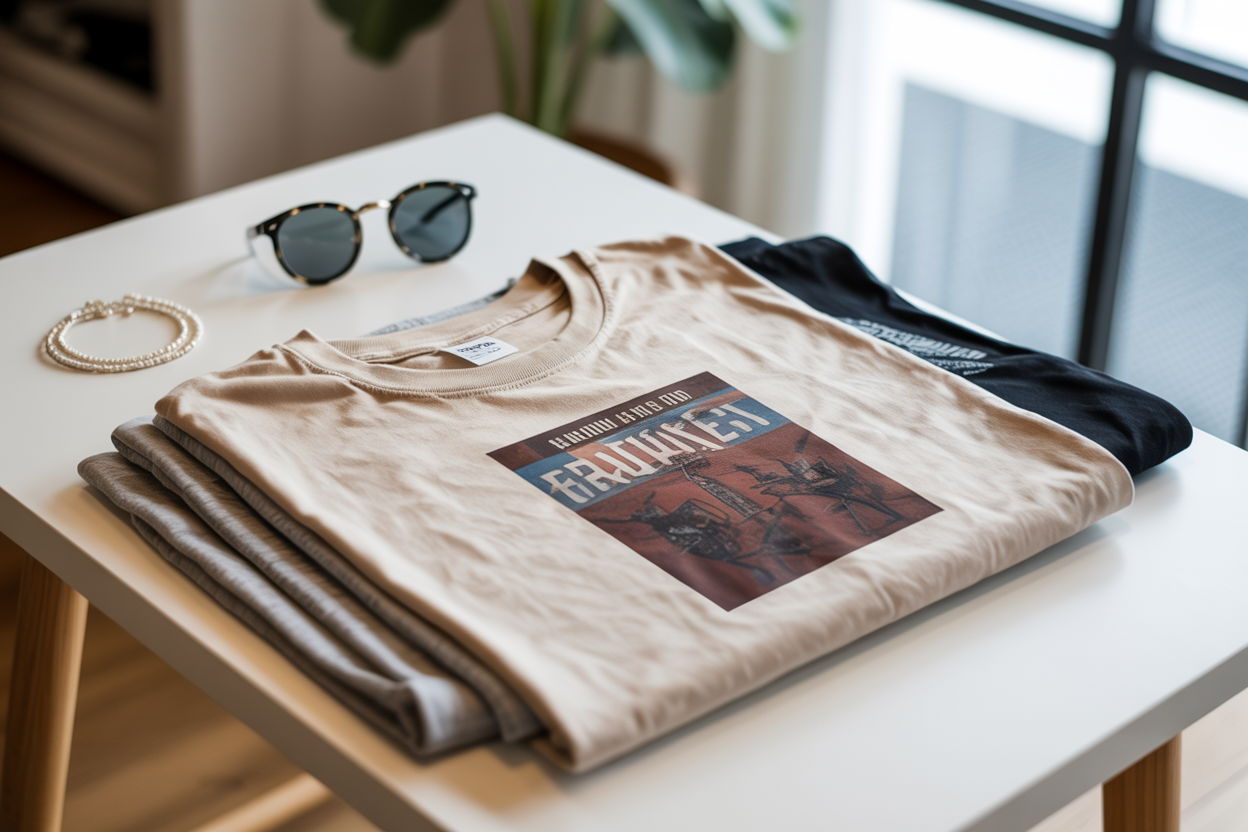
A graphic t-shirt with a design you actually love, the kind that never really goes out of style.
Why a Great Graphic Tee Never Really Goes Out of Style
The graphic tee has had countless “moments” over the decades — band tees in the 70s, slogan shirts in the 90s, vintage-washed everything in the 2000s — and yet it never actually disappears. That’s not a coincidence. A t-shirt with a design you genuinely connect with works because it does something plain basics can’t: it says something about who you are without you having to open your mouth.
The key word here is genuinely. There’s a real difference between a graphic tee you grabbed because it was on sale and one you’d reach for over and over again because it just feels right. The latter becomes a wardrobe anchor. It’s the thing you throw on with jeans when you want to look pulled together without trying, or layer under a blazer when you need an outfit to walk a fine line between casual and intentional.
Styles shift — silhouettes change, color palettes cycle in and out — but a tee with a design rooted in something personal (a band you actually love, an image that genuinely resonates, a print that makes you smile) sidesteps trends entirely. It’s not chasing relevance because it’s not trying to. That’s exactly what makes it timeless.
What to Look for in a Graphic Design That Lasts
Not every graphic ages well. Here’s what tends to hold up:
- Designs with clean lines or strong composition — they look intentional rather than dated
- Images or text that mean something to you personally — personal resonance outlasts trend appeal every time
- Placement that works with the garment — a centered chest graphic sits differently than an all-over print, and each has its own personality
- Color choices that complement your existing wardrobe — a graphic tee in a neutral base (white, black, vintage grey) is easier to style long-term than one in a very specific seasonal color
Avoid graphics that rely heavily on topical references unless they genuinely represent something lasting in your life. A shirt tied to a specific moment in pop culture might feel fresh for a season and awkward a year later.
Fabric and Fit That Hold Up Wash After Wash
A beautiful design means nothing if the shirt falls apart after six washes, shrinks two sizes, or pills in a way that makes it look worn out before you’ve even gotten your money’s worth. The fabric and construction of a graphic tee are what actually determine whether it earns permanent wardrobe status or gets quietly retired.
Fabric: What Actually Matters
The most common materials you’ll encounter in t-shirts, and how they perform over time:
| Fabric | Feel | Durability | Print Longevity | Best For |
|---|---|---|---|---|
| 100% Cotton | Soft, breathable | Good with proper care | Can crack over time | Everyday wear, casual styling |
| Cotton/Polyester Blend | Slightly structured, less shrink-prone | Very durable | Holds prints well | High-wash frequency pieces |
| Tri-blend (Cotton/Poly/Rayon) | Ultra soft, draped | Moderate | Best with gentle wash | Comfort-first styling |
| Organic Cotton | Soft, breathable | Good | Depends on dye/print method | Eco-conscious choices |
For graphic tees specifically, a mid-weight cotton or cotton-poly blend tends to perform best. You want something with enough body to hold its shape but soft enough to feel good against your skin. Thin, almost-see-through tees might feel luxurious right out of the bag but often don’t hold up — and the print suffers first.
Print Methods: The Difference Is Bigger Than You’d Think
How the design is applied to the fabric matters as much as the fabric itself. Here’s a quick breakdown:
- Screen printing — the classic method. Durable and vibrant, but can crack over many washes if the ink quality is low
- DTG (Direct-to-Garment) — produces detailed, photographic-quality prints. Softer feel, but requires careful washing to maintain color
- Embroidery — not for every design, but when it’s used, it’s incredibly durable and adds texture
- Sublimation — works best on polyester blends, creates vivid all-over prints, and holds color very well over time
If you’re investing in a graphic tee you want to keep for years, look for pieces where the brand is transparent about their print process. That transparency usually signals quality.
Fit: The Underrated Factor
Even the most perfectly designed, well-constructed tee can feel wrong if the fit is off. A few things to consider:
- Length — do you want it to hit at the hip for easy tucking, or fall lower for a relaxed look?
- Shoulder seams — these should sit right at your shoulder, not drooping toward your arm
- Sleeve width — too tight and it looks unintentional; too wide and it loses shape
- Body width — a slightly relaxed fit photographs well and tends to stay flattering across different body changes over time
Wash care also plays into perceived fit. Always check the care label. Cold water washes and air drying are your best friends when it comes to keeping a tee looking exactly the way it did when you first put it on. Tossing it in a hot dryer regularly is the fastest way to shrink the fabric and degrade both the print and the structure of the garment.
A graphic tee that checks these boxes — a design you love, quality fabric, a reliable print method, a fit that works for your body — isn’t just a casual piece. It’s the kind of thing you’ll still be reaching for five years from now, which is the whole point.
2. A Well-Fitted Pair of Pants
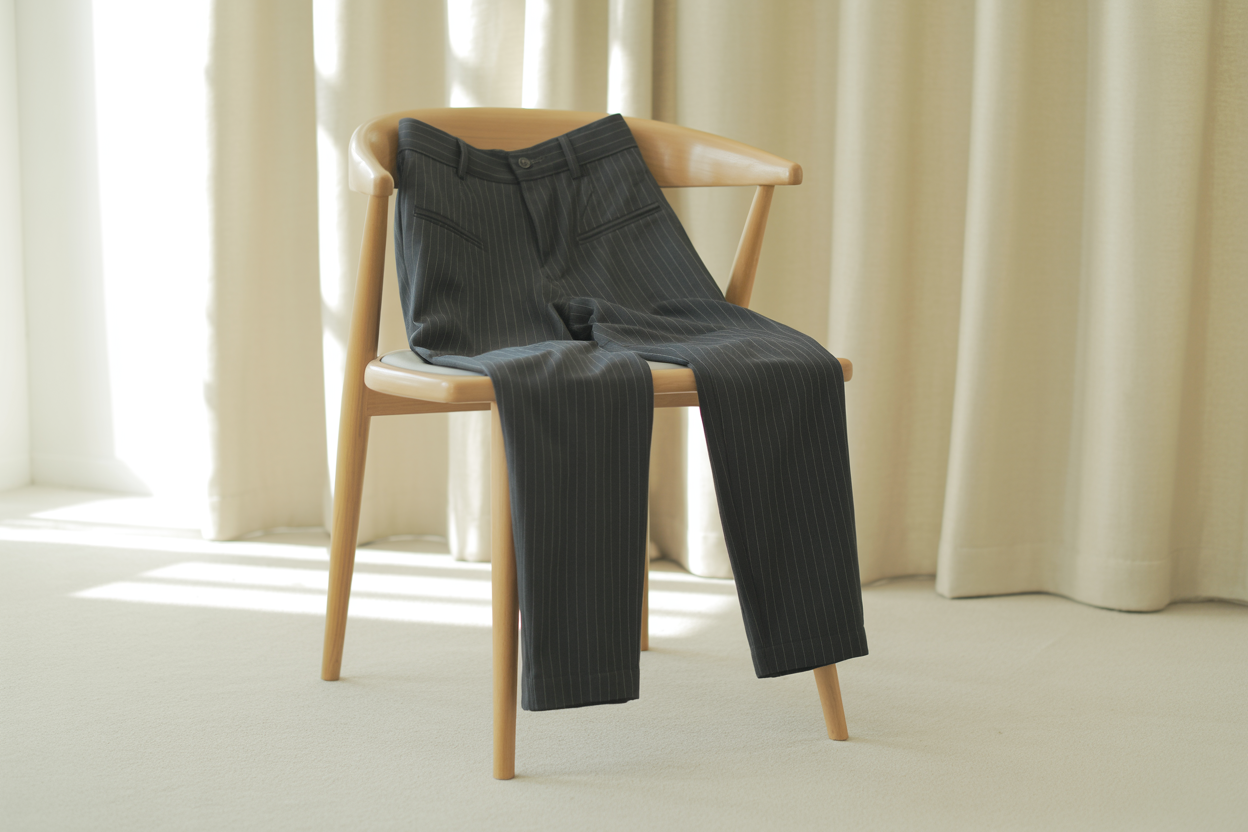
A well-fitted pair of pants, the quiet basic that balances out bolder printed pieces.
A Quiet Basic That Balances Out Bolder Pieces
“Designer Tip: If a pair of pants only works with one top in your closet, it’s not a basic — it’s a liability. A true basic should disappear into at least five different outfits.” — Elena M.
A well-fitted pair of pants might be the least glamorous item on this list, but it’s probably doing the most work in your wardrobe. It’s the piece that lets everything else breathe. When you’re wearing a graphic tee with a fun print or a longsleeve with some personality, a solid, well-cut pair of pants keeps the whole outfit grounded without competing for attention.
Think of it this way: bold pieces need somewhere to land. If you’re pairing a statement top with equally loud bottoms, the look can feel chaotic rather than intentional. A pair of pants in a neutral or versatile tone — think black, navy, tan, or a soft grey — gives your eye a place to rest. It creates visual balance so the piece you actually want to show off gets to shine.
But “quiet” doesn’t mean boring. A well-fitted pair of pants has its own kind of power. The fit alone can make an outfit look polished or pulled-together in a way that no accessory can fully replicate. It signals that you know what you’re doing, even if you threw the outfit together in five minutes.
Here’s what makes pants worth investing in as a true wardrobe basic:
- Versatility across occasions — the right pair works for a coffee run, a casual workday, or an evening out depending on what you pair with it
- Longevity — a solid cut in a classic color doesn’t go out of style the way trend-driven pieces do
- Ease of styling — when you’re not thinking about your pants, you’re free to have fun with the rest of your outfit
- Outfit anchoring — it ties together tops, shoes, and layers without clashing
Choosing a Cut That Actually Flatters
The tricky part about pants is that fit is deeply personal. What looks incredible on one body can feel completely off on another — and that’s not about body type, it’s about proportion, rise, and leg opening working together in a way that feels right for you.
Here’s a breakdown of the most common cuts and what they tend to do for different silhouettes:
| Cut | What It Does | Works Well For |
|---|---|---|
| Wide-leg | Creates a long, fluid line from hip to floor | Balancing out a fuller top half; creating an elongated look |
| Straight-leg | Clean and even from hip to ankle | Most body types; very easy to style |
| Slim/tapered | Narrower at the ankle, snug through the thigh | Showing off footwear; a sleeker, streamlined look |
| High-waisted | Sits at or above the natural waist | Defining the waist; elongating the legs |
| Cropped | Ends above the ankle | Showing off shoes; works great with chunky sneakers or boots |
A few things to keep in mind when you’re figuring out your ideal cut:
Rise matters more than most people realize. A mid-rise pant can feel uncomfortable if you prefer more coverage, while a high-rise can feel restrictive if you’re not used to it. Try a few options before committing, and pay attention to how it feels when you sit down — that’s usually the real test.
Length affects everything. Even a slightly-too-long pair of pants can drag down a look (literally and figuratively). If you’re petite, cropped or tapered cuts often work better than styles that pool at the ankle. If you’re tall, wide-leg and full-length styles tend to look more intentional rather than like you couldn’t find pants long enough.
Fabric has a big say in the final look. A wide-leg pant in a stiff denim reads very differently than the same cut in a flowy crepe. Structured fabrics hold their shape and give a more put-together vibe; softer fabrics move with you and feel more relaxed. Neither is better — it depends on the energy you’re going for.
Color and pattern play into balance too. If you’re building around bolder tops (which is the whole point for this section of your wardrobe), lean toward solid pants in versatile neutrals. That said, a subtle texture — like a tone-on-tone pattern or a simple twill weave — adds visual interest without becoming a focal point.
Some quick tips for making sure the fit is actually working:
- Check the hip and thigh room first. Pants that pull across the hips will never look right, no matter how good the rest of the fit is.
- The waistband shouldn’t gap at the back. If it does, the rise or sizing isn’t quite right for your proportions.
- Sit, bend, and walk before you commit. A pair of pants that only looks good standing still isn’t a true wardrobe staple.
- Don’t underestimate tailoring. Even an affordable pair of pants can look expensive with a simple hem adjustment.
The goal isn’t to find the “perfect” pant that works for every single outfit and occasion — that’s a lot of pressure for one piece of clothing. The goal is to find a cut and fit that you reach for automatically, that requires zero mental effort to style, and that makes everything you pair it with look better. That’s what a real basic does.
3. A Longsleeve With Personality
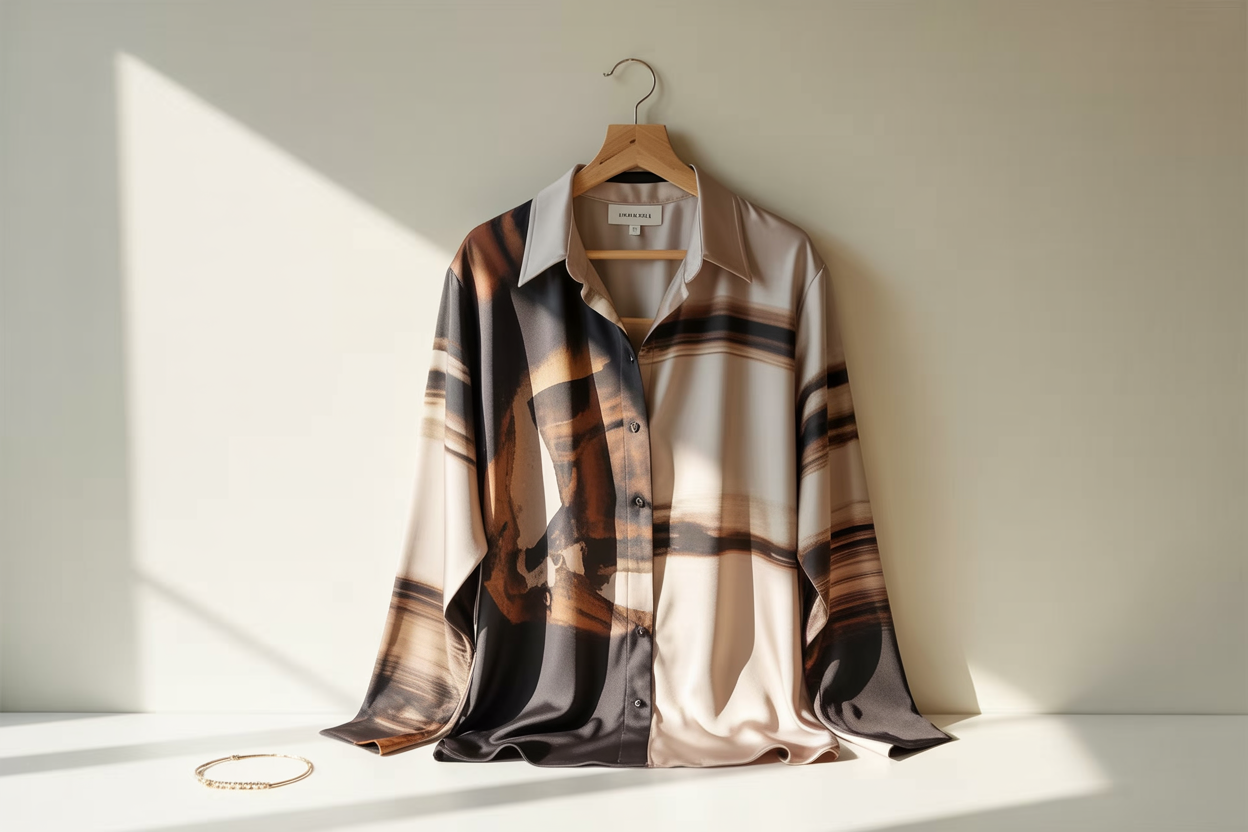
A long-sleeve top with personality, the layering piece you’ll reach for all year.
The Layering Piece You’ll Reach for All Year
A longsleeve tee sits in a genuinely useful middle ground that most people don’t think about until they’re standing in front of their closet, stuck. It’s not as casual as a regular tee, not as committed as a sweater. That in-between quality is exactly what makes it so versatile across every season.
In summer, a lightweight longsleeve with a design you love works under overalls, under a breezy slip dress, or alone on a cool evening when the AC has been running all day. Come fall, it slides under a denim jacket or a chunky cardigan without adding bulk. In winter, it becomes your base layer, keeping you warm while whatever’s on top gets the spotlight. And in spring? You’re back to wearing it on its own again.
The key difference between a longsleeve that earns permanent wardrobe status and one that gets donated after a season comes down to a few things:
- Fabric weight: A mid-weight cotton or cotton blend works across more situations than something too thin or too heavy
- Fit at the sleeves: Sleeves that are slightly fitted (not tight, not boxy) layer cleanly without bunching under outerwear
- Neckline: A classic crewneck or a relaxed scoop keeps things versatile enough to wear in multiple contexts
- The print or design: This is where it gets personal — and where it stops blending in with everything else in your closet
That last point matters more than people give it credit for. A longsleeve with a design that actually reflects something you care about — a graphic, a phrase, an aesthetic — makes getting dressed feel intentional rather than random. You’re not just grabbing something to fill a slot. You’re picking something you genuinely want to wear.
Styling It Without Overthinking
The beauty of a longsleeve with personality is that it does a lot of the visual work for you, so you don’t have to overthink the rest of the outfit.
| Outfit Combination | Why It Works |
|---|---|
| Printed longsleeve + straight-leg jeans + white sneakers | The print is the statement; everything else stays clean |
| Longsleeve under a slip dress | Adds texture and edge to something feminine |
| Longsleeve tucked into wide-leg trousers | Looks polished without trying too hard |
| Layered under an open flannel or shacket | Casual but put-together |
| With leggings and a crossbody bag | Effortless for running errands or a low-key hangout |
None of these combinations require much effort because the longsleeve itself is doing the heavy lifting. When a piece has character, the rest of the outfit can stay simple.
Why Made-to-Order Means No Two Wardrobes Look the Same
There’s a specific kind of frustration that comes with buying something you love, wearing it out, and then seeing three other people in the same piece within a week. Mass-produced fashion runs on volume — the same design gets printed thousands of times, distributed widely, and worn by whoever happens to pick it up.
Made-to-order works differently. A piece is only created when someone actually orders it, which means production stays small. The designs available tend to be more specific, more creative, and less likely to show up in someone else’s cart just because an algorithm pushed it to them.
For a longsleeve specifically, this matters in a few ways:
You get to choose something that actually feels like you. Made-to-order platforms often carry a much wider range of design aesthetics — from art-inspired prints to bold graphics to subtle text-based designs — than what you’d find on a standard retail rack. You’re not limited to whatever trend the buying team decided to stock this season.
The piece reflects a real choice, not a default. When you pick something from a curated or independent collection, you’re making an active decision about what you want in your wardrobe. That intentionality tends to mean you wear the piece more, care for it better, and hold onto it longer.
Your wardrobe stays genuinely yours. This is hard to put a price on, but it matters. A closet built around made-to-order pieces has a cohesion and individuality that’s difficult to replicate when everything comes from the same three fast-fashion sources. Your longsleeve looks different from your friend’s longsleeve. Your layering pieces tell your story, not a mass-market one.
What to Look for in a Made-to-Order Longsleeve
Not all made-to-order pieces are created equal. Here’s what separates the ones worth buying from the ones that disappoint:
- Print quality: Look for designs that are printed directly onto fabric (like direct-to-garment printing) rather than iron-on transfers that crack after a few washes
- Base garment quality: The blank underneath the print matters — check fabric composition and whether the brand sources ethically
- Sizing transparency: Good made-to-order brands provide detailed size charts because they know returns can be complicated when items are produced to order
- Return and exchange policy: Read it before you buy; policies vary widely
- Design exclusivity: Check whether the designs are original or if the same artwork appears across dozens of other products elsewhere
A longsleeve with a strong design, solid construction, and a made-to-order origin checks all the boxes for a true wardrobe staple. It’s versatile enough to carry you through the year, individual enough to stand out, and specific enough to mean something — which is really all you want from any piece that earns a permanent spot in your closet.
4. Leggings You Can Rely On
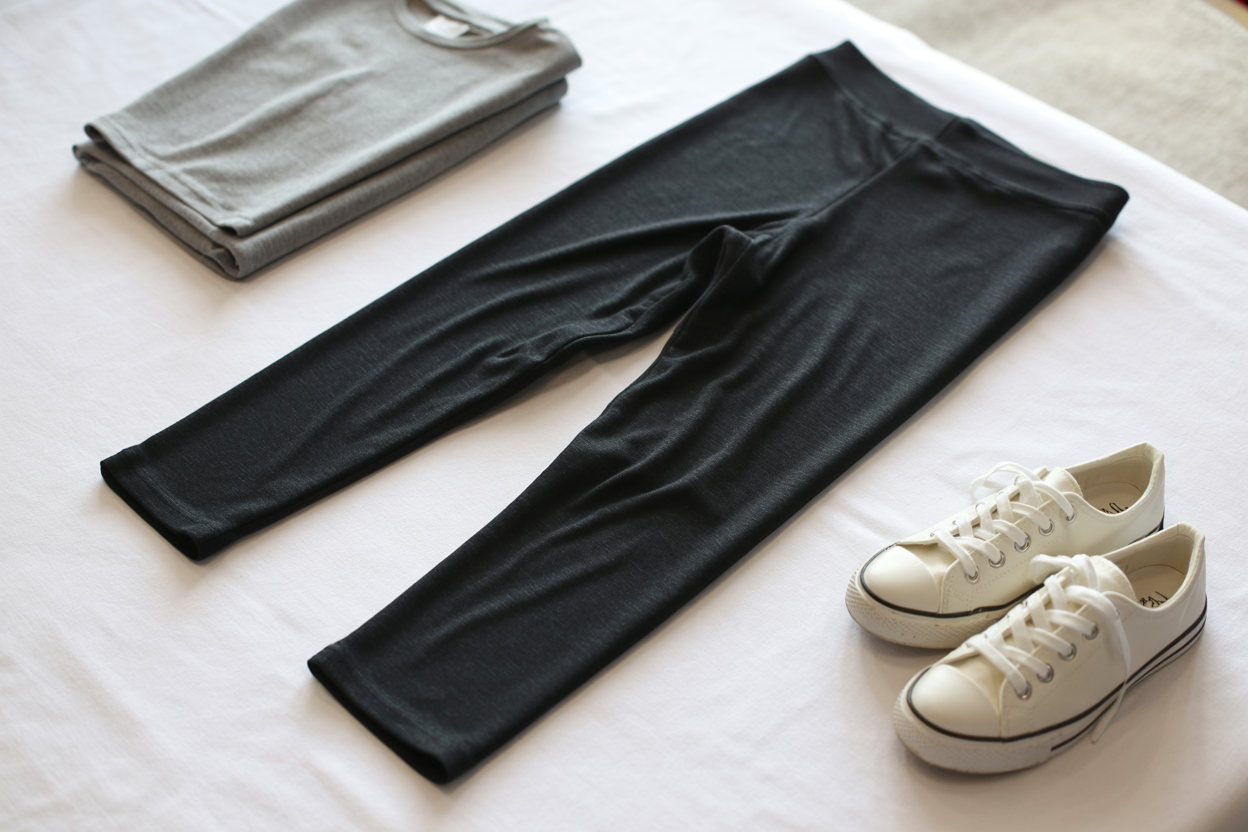
Leggings you can rely on for everything from errands to everyday comfort.
From Errands to Everyday Comfort
A good pair of leggings does a lot of heavy lifting. They take you from a morning coffee run to a grocery store dash to a low-key hangout without skipping a beat. But not all leggings earn that kind of trust — the ones that do are thoughtfully made, fit like a second skin, and hold their shape no matter how many times you wash them.
The secret to a pair of leggings you’ll actually reach for every week comes down to a few key things:
- They don’t roll down. A waistband that stays put is non-negotiable. Whether you’re bending down to pick something up or walking a few miles, you shouldn’t have to tug them up every twenty minutes.
- They’re not see-through. This one should go without saying, but it’s still a problem in so many pairs. Squat-proof fabric is the baseline, not a bonus feature.
- They move with you. Stiff, restrictive leggings defeat the whole purpose. Great leggings stretch in every direction and snap back without bagging out at the knees.
- They look intentional. The best leggings don’t look like an afterthought. A clean silhouette, a flattering fit, and even a subtle print can turn a simple pair of leggings into something you’d wear to brunch — not just to the gym.
That last point matters more than people give it credit for. When a piece has a design or print you genuinely love — even something minimal — it shifts how you feel wearing it. It goes from “something I grabbed” to “something I chose.” That distinction is what keeps certain pieces in rotation for years while others quietly disappear to the back of the drawer.
Leggings with a print also have a practical advantage: they hide minor pilling and wear much better than solid black ones. A subtle pattern can camouflage the kind of everyday use that makes plain leggings look tired faster.
What to Look for in an Everyday Pair
When you’re deciding whether a pair of leggings deserves a permanent spot in your wardrobe, ask yourself these questions:
- Does the waistband sit flat against your skin without digging in? A high-rise band that’s wide and smooth distributes pressure evenly and gives you real support without being uncomfortable.
- Does the fabric recover after stretching? Pull it to the side and let go. If it bounces back immediately, it’s a good sign. If it stays stretched out, that’s what it’ll look like after a few wears.
- Does it work with more than one outfit? A pair that only works with one specific top isn’t a wardrobe basic — it’s a limitation.
- Would you feel comfortable wearing these out, not just at home? Comfort is essential, but a truly great pair of leggings shouldn’t make you feel like you’re underdressed when you head out the door.
Why Fabric Quality Makes All the Difference
The fabric is everything. You can have a great cut and a beautiful print, but if the material falls apart after a few washes or starts pilling after a month, none of that matters. High-quality legging fabric does several things at once — it holds its shape, feels soft against your skin, moves without restriction, and wears well over time.
Here’s a quick breakdown of what different fabric compositions actually mean for your leggings:
| Fabric Type | What It Feels Like | Best For | Watch Out For |
|---|---|---|---|
| Nylon-Spandex blend | Smooth, sleek, slightly cool | Everyday wear, light activity | Can feel less breathable in heat |
| Polyester-Spandex blend | Slightly textured, durable | High-activity days, frequent washing | Can hold odor over time |
| Cotton-Spandex blend | Soft, breathable, casual | Lounging, low-key errands | Less structure, prone to bagging |
| Recycled Polyester-Spandex | Smooth, responsible choice | Everyday wear with sustainability in mind | Quality varies by brand |
For a pair of leggings you want to rely on day after day, a nylon or high-quality polyester blend with a meaningful percentage of spandex (usually between 20–30%) hits the sweet spot. It gives you stretch without sacrificing recovery, and it holds a print sharply so the design looks as good after 50 washes as it did on day one.
Signs of Cheap vs. Quality Fabric
It’s not always easy to tell from a photo, but there are some reliable ways to assess quality:
Signs the fabric is worth it:
- The fabric has a consistent weight — not too thin, not too stiff
- The seams are flat and smooth with no rough edges against your skin
- The color stays vibrant after washing (especially important with prints)
- There’s minimal friction or pilling after regular wear
Signs to walk away:
- The fabric pills after just a few wears
- The color fades or cracks quickly, especially with printed designs
- The leggings stretch out at the knees and thighs and don’t recover
- The waistband loses elasticity fast
Fabric quality also affects how a print looks and lasts. A cheaper base fabric will cause the ink or dye to look dull faster, or it may crack with repeated washing. On a higher-quality base, a printed design stays crisp and vibrant far longer — which is exactly why investing in well-made leggings pays off in the long run. You buy fewer pairs, replace them less often, and always have something in your drawer that feels good to put on.
5. A Crop Top for Effortless Layering
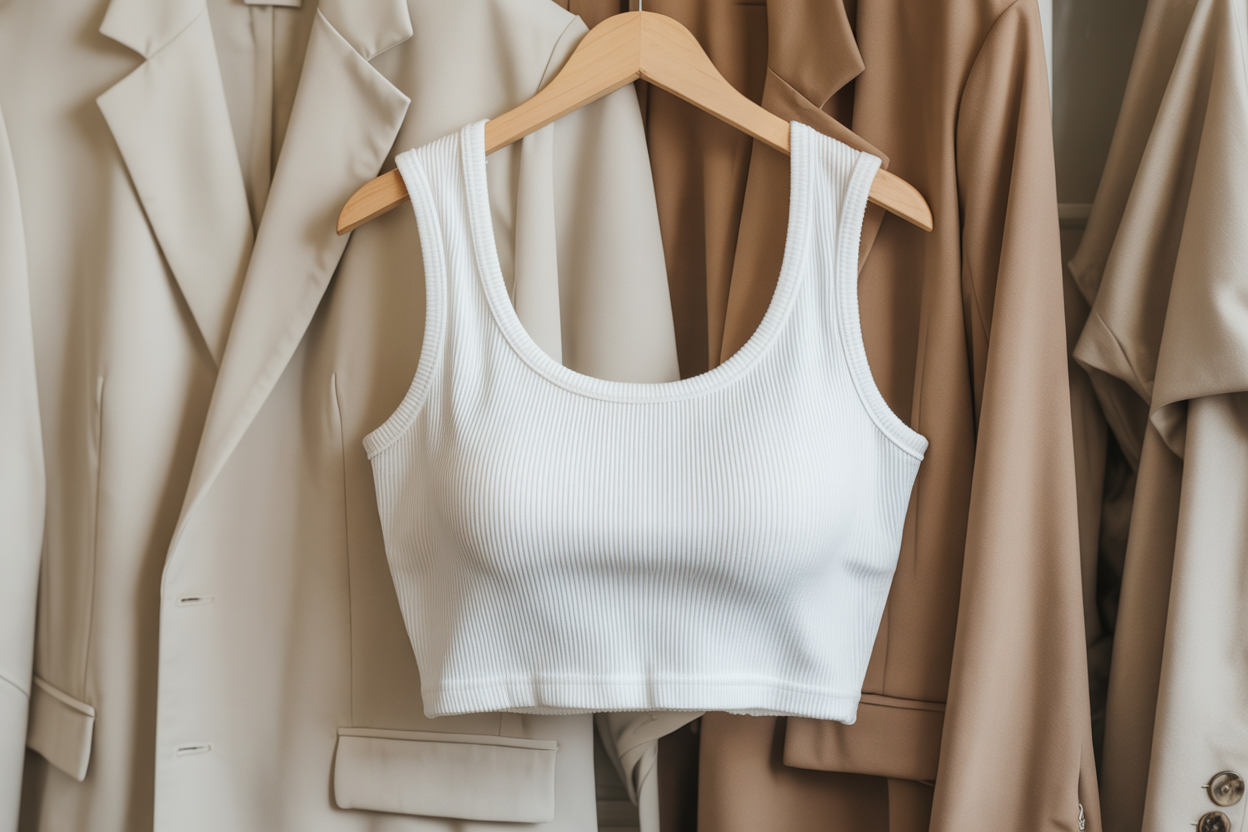
A crop top styled for effortless layering, paired with a statement piece without overthinking it.
Pairing a Statement Piece Without Overthinking It
A crop top with a strong print or graphic might look like a bold move, but it’s actually one of the easiest pieces to style — once you stop second-guessing it.
The key is treating it like a building block rather than a centerpiece. A printed crop top worn under an open button-down immediately gets softened. The outer layer tones things down while the print peeks through just enough to keep the outfit interesting. You’re not hiding the design — you’re framing it.
Here are a few go-to pairings that work without any real effort:
- Crop top + high-waisted wide-leg pants — The volume on the bottom balances the shorter top. You can tuck the crop in slightly at the front waistband if you want a more polished look.
- Crop top + oversized blazer — Instant elevated casual. This works for brunch, a creative office, or an evening out.
- Crop top + midi skirt — The small strip of skin between the top and skirt hem is what makes this combination feel intentional instead of accidental.
- Crop top + high-waisted jeans and a denim jacket — The classic version that never really goes out of fashion.
One thing worth paying attention to: the fit of the crop top matters more than the print. A top that fits well across the shoulders and doesn’t pull at the hem will always look put-together, even if the design on it is loud. A poorly fitted top will look chaotic no matter how neutral the colorway is.
If you’re not sure where to start with layering, try this simple rule: if the crop top is doing a lot visually (bold graphic, rich color, pattern), keep the other pieces simpler. If the crop top is more subtle — a single small illustration, a tonal design — you have more room to play with texture and shape in the other layers.
| Crop Top Style | Best Layering Option | Vibe It Creates |
|---|---|---|
| Bold graphic or all-over print | Solid-colored wide-leg pants | Balanced, editorial |
| Small or subtle design | Patterned or textured outer layer | Eclectic, intentional |
| Minimalist or tonal print | Statement trousers or a structured skirt | Clean but interesting |
| Vintage-inspired graphic | Loose denim or relaxed trousers | Effortless, nostalgic |
The goal isn’t to build a perfect formula — it’s to have a loose mental framework so you can get dressed without standing in front of your closet for twenty minutes.
A Piece That Works Beyond the Gym
Crop tops used to live exclusively in athletic wear territory. That era is long over. Today, a well-made crop top — especially one with a design that reflects your personality — crosses easily between casual, social, and semi-professional settings depending on how you style it.
Here’s how the same crop top can show up in three completely different contexts:
At home or during a workout
Wear it with matching high-waisted leggings and sneakers. No overthinking needed. The print gives the outfit personality without requiring any accessories.
Running errands or a casual day out
Layer it with a zip-up hoodie left open, pair it with straight-leg jeans and clean sneakers or mules. This is the version of the outfit that reads as casual but clearly deliberate.
A dinner or social event
Swap the jeans for tailored trousers or a satin slip skirt. Add a thin gold chain or simple earrings. The crop top suddenly feels dressed up — not because it changed, but because of what surrounds it.
This kind of versatility is what separates a crop top worth keeping from one that only gets worn in one specific situation and then slowly gets forgotten at the back of a drawer.
A few qualities that help a crop top earn its place in a wardrobe long-term:
- A neckline that sits well without constant adjusting — whether it’s a crew neck, a scoop, or a V, you want it to stay where it’s supposed to stay
- A hem that sits at a flattering height — usually just above the natural waist, giving you that small amount of midriff exposure that’s versatile across body types and outfit styles
- Fabric that holds its shape after washing — a crop top that stretches out or shrinks unpredictably after a few washes stops being useful very quickly
- A print or design that doesn’t feel tied to a single season — florals printed in a graphic style, abstract designs, or simple illustrations tend to age better than very trend-specific graphics
The crop top is probably the most underestimated basic on this list. People tend to think of it as casual or youthful, but when it’s made well and styled with intention, it holds its own in almost any setting. The print is what makes it personal. The fit and fabric are what make it last.
Why Made-to-Order Pieces Make Better Basics
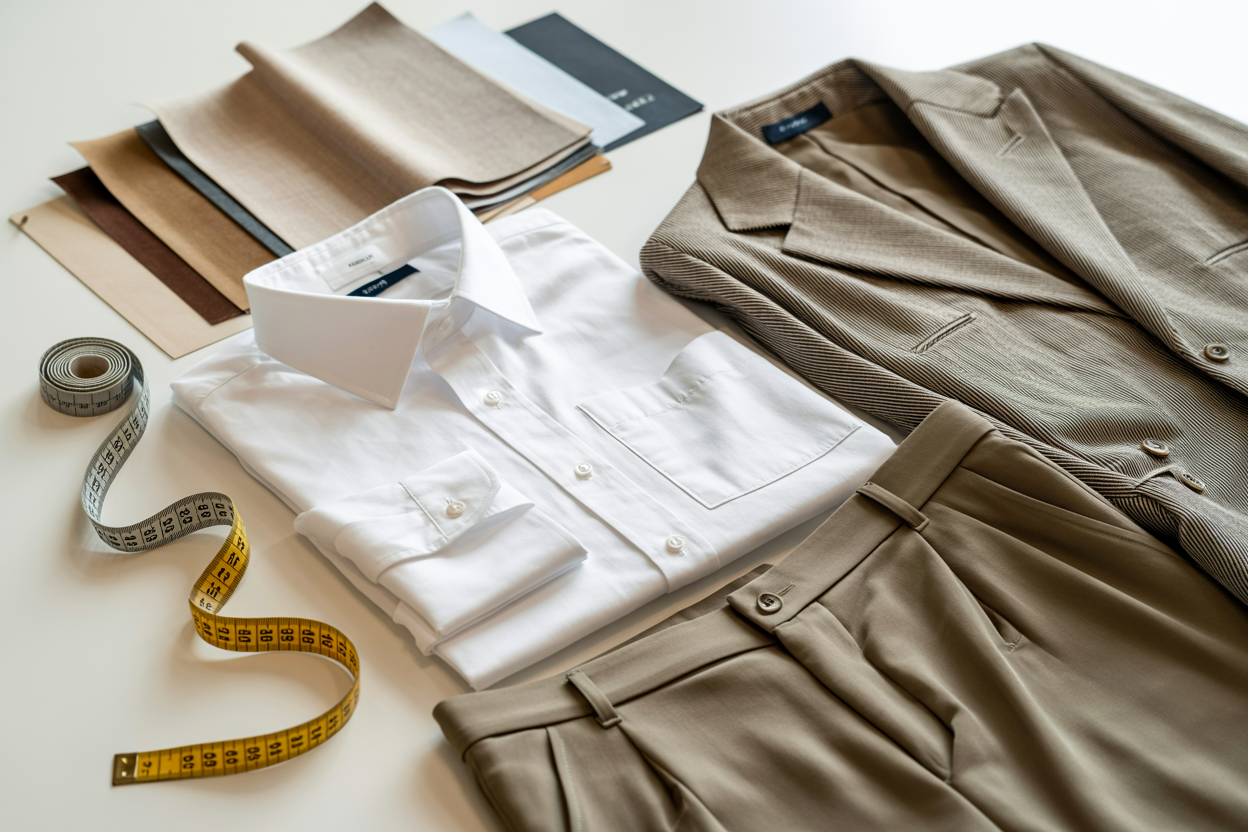
Made-to-order pieces making better wardrobe basics thanks to print-on-demand advantages.
Print-on-Demand Advantages
There’s something refreshing about owning a piece of clothing that was made specifically for you — not mass-produced in a warehouse somewhere, sitting on a shelf for months before you bought it. That’s exactly what made-to-order and print-on-demand clothing offers, and it changes the way you think about building a wardrobe. It’s the same reason we at Honeh build every basic to order instead of guessing sizes and prints in bulk ahead of time.
You’re Not Buying Leftovers
Traditional retail works on a pretty simple (and wasteful) model: brands predict what people will want, manufacture thousands of units, and hope they sell. What doesn’t sell gets discounted, donated, or destroyed. You’ve probably seen the end-of-season sales — that’s the industry trying to offload its guesses.
With print-on-demand, a piece is only made when someone orders it. No guessing, no overproduction, no piles of unsold inventory. When you buy a t-shirt or a longsleeve through a print-on-demand model, that item is created for your order. It’s a cleaner, more intentional process from start to finish.
Why This Makes for Better Basics
You might be thinking — what does production method have to do with how a piece fits into my wardrobe? Quite a bit, actually.
When brands aren’t pressured to move bulk inventory, they can focus on doing fewer things better. Print-on-demand brands tend to:
- Offer more design variety — because there’s no risk in offering 50 designs vs. 5. They’re not pre-printing thousands of each.
- Update or retire designs based on real demand — so what’s available is genuinely popular, not just what got ordered in bulk two seasons ago.
- Maintain consistent quality — because each item is produced individually rather than churned out in massive runs where quality control can slip.
This means when you find a t-shirt design you love from a print-on-demand brand, you can trust it was made with care — not squeezed out of a production line at maximum speed.
The Environmental Angle (Without the Lecture)
Fast fashion has a well-documented waste problem. The print-on-demand model sidesteps a lot of it by only producing what’s actually needed. Here’s a quick comparison:
| Traditional Retail | Print-on-Demand |
|---|---|
| Produces in bulk upfront | Produces per order |
| Unsold stock = waste | No leftover inventory |
| Designs locked in seasons ahead | Designs can change in real time |
| Discounting to clear stock | Pricing stays stable |
| High carbon footprint from overproduction | Lower waste from day one |
If you’re trying to be more thoughtful about what you buy and where it comes from, choosing print-on-demand pieces is one of the easiest swaps you can make — without sacrificing style or spending more.
Your Basics Actually Reflect You
Here’s the part that often gets overlooked: print-on-demand unlocks a level of personalization that mass retail simply can’t match. When a brand is running print-on-demand, they can offer a much wider range of designs across the same core silhouettes — like a classic crewneck tee, a fitted longsleeve, or a simple crop top.
That means your “basics” don’t have to be boring. You can build a wardrobe around pieces that have the structure and versatility of a basic — the right fit, the right fabric, the right weight — but with a print or design that genuinely reflects your personality.
A plain white tee is a classic. But a white tee with artwork you actually love? That’s still a versatile piece — it layers the same way, it washes the same way, it fits the same way — but now it’s yours in a way that a blank tee never quite is.
Quality Holds Up Over Time
One of the real perks of made-to-order pieces is that the quality tends to be more consistent. Here’s why: when you’re printing on demand, you’re not cutting corners to hit a bulk order deadline. The printer, the fabric, and the process stay the same whether they’re making one item or one hundred.
Things to look for in a quality print-on-demand piece:
- Direct-to-garment (DTG) printing — this bonds the ink to the fabric rather than sitting on top of it, which means it doesn’t crack or peel after a few washes
- Base garment quality — the blank tee or pant underneath the print matters just as much as the print itself; good brands are transparent about what they use
- Color accuracy — well-calibrated DTG printing means the design looks the same in person as it does on screen
When these factors are handled well, a print-on-demand piece can genuinely last for years — which is exactly what you want from something you’re counting on as a wardrobe basic.
Smaller Brands, Bigger Intentionality
Many print-on-demand brands are smaller, independent operations. That’s not a downside — it’s often a sign that someone put real thought into the designs, the fit, and the product. You’re not buying something that went through 12 layers of corporate approval; you’re buying something someone actually cared about creating.
That intentionality tends to show up in the details:
- Thoughtful sizing that accounts for real body shapes
- Designs that have a clear aesthetic point of view
- Customer service that’s actually responsive
- A product lineup that evolves based on what customers genuinely want
When you’re building a wardrobe around pieces you plan to wear for years, that level of care matters more than a logo or a price tag.
How to Build a Wardrobe Around These Basics
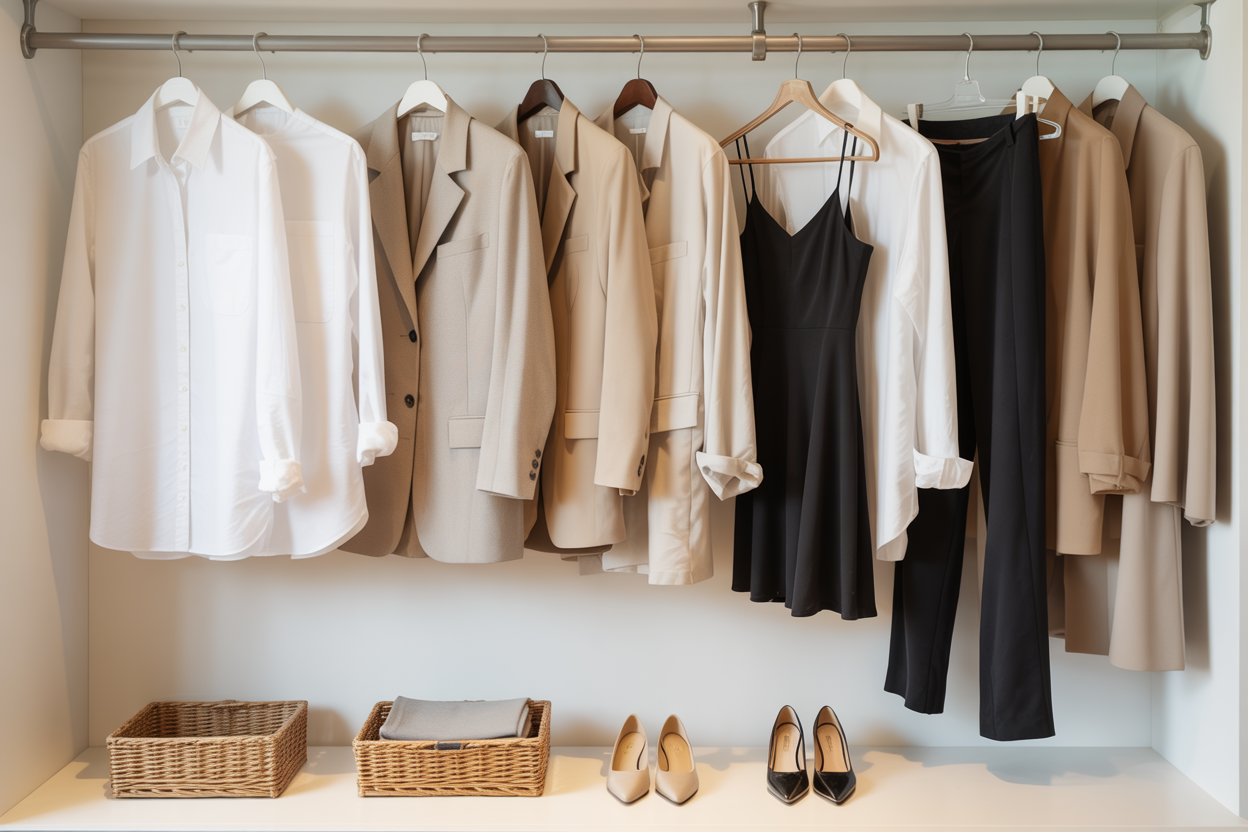
How to build a full wardrobe around these five timeless, essential basics.
Start With What You Already Have
Before buying anything new, do a quick inventory of what’s already in your closet. Pull out every item and ask yourself one simple question: does this still fit, and do I actually reach for it? If the answer is no to either, set it aside. What you’re left with is your real wardrobe — the pieces that are genuinely doing work for you.
From there, look for gaps. If you’ve got plenty of bottoms but nothing that works well on top, that’s where to focus. If you have great tops but your pants situation is chaotic, start there. The goal isn’t to build a wardrobe from scratch — it’s to fill in what’s missing so everything starts working together.
How the Five Basics Connect to Each Other
These five pieces aren’t meant to exist in isolation. They’re designed to talk to each other. Here’s a quick look at how they interact:
| Piece | Works Best With | Creates This Look |
|---|---|---|
| Graphic T-Shirt | Well-fitted pants | Casual but put-together |
| Well-Fitted Pants | Longsleeve or crop top | Polished everyday outfit |
| Longsleeve With Personality | Leggings | Cozy + intentional |
| Leggings | Crop top or oversized tee | Active or loungewear-ready |
| Crop Top | Anything high-waisted | Layered, effortless |
When every piece can connect to at least two or three others, you’re no longer getting dressed — you’re just mixing and matching from a working system.
Build in Layers, Not All at Once
One of the biggest wardrobe mistakes is trying to overhaul everything at once. You end up overwhelmed, overspending, and still not knowing what to wear. A smarter approach is to add one solid piece at a time and wear it to death before introducing the next.
Start with whichever basic feels most missing from your current rotation. Wear it for a week or two. Notice what it needs to really shine — maybe a better bottom, maybe a layer over it. That tells you exactly what to buy next. This slow-build approach means you never end up with pieces that don’t connect to anything else.
Think in Outfits, Not Items
When you’re considering adding something new, don’t just ask “do I like this?” Ask “what do I wear this with?” If you can picture at least three outfits immediately, it belongs in your closet. If you’re drawing a blank, it’s probably going to hang there untouched.
Here are a few outfit combinations that work with just the five basics:
- Graphic tee + well-fitted pants + sneakers → everyday casual that still looks intentional
- Crop top layered under longsleeve (unbuttoned or tied) → textured, casual styling
- Longsleeve + leggings + chunky shoes → elevated athleisure
- Graphic tee tucked into leggings → quick, comfortable, still styled
- Crop top + wide-leg pants → minimal and clean
That’s five distinct outfits from five pieces. Add shoes, bags, and outerwear, and the combinations multiply fast.
Color Strategy: Keep Neutrals as Your Base
Prints and personality pieces work best when the rest of your wardrobe gives them room to breathe. That means keeping your bottoms and layering pieces mostly in neutrals — black, white, grey, camel, navy — while letting your tops and statement pieces carry the character.
This doesn’t mean your wardrobe has to be boring. A graphic tee with a bold print still pops against black pants. A longsleeve in a rich color still feels intentional next to simple leggings. Neutrals aren’t a limitation — they’re what makes everything else work harder.
When to Replace vs. When to Add
Not every wardrobe need is about adding more. Sometimes the issue is that an existing piece has worn out, stretched, pilled, or just stopped fitting the way it should. Replacing a worn-out basic is often more impactful than adding a new one.
Ask yourself:
- Is this piece still doing its job? (Fit, shape, no visible wear)
- Do I skip it when I’m getting dressed? (If yes, figure out why)
- Would replacing it with a better version change how I dress daily? (Usually yes)
A pair of leggings that have gone thin or a t-shirt that’s shrunk unevenly should be replaced before you start adding new things. Clean out the underperformers first.
Keep the System Simple
The whole point of building around basics is that getting dressed stops being a problem. You’re not hunting for the right piece or staring at a full closet feeling like you have nothing to wear. Everything connects, everything fits, and everything reflects something you actually like.
A wardrobe built on five strong, reliable pieces — each one chosen because it works, fits well, and feels like you — is genuinely more functional than a closet stuffed with things that don’t connect. Fewer decisions, better outfits, less stress. That’s the entire goal.
FAQ
Answers to frequently asked questions about building a timeless wardrobe.
What are timeless wardrobe pieces?
Timeless wardrobe pieces are clothes that stay relevant and wearable across seasons, trends, and years. They’re not defined by a single moment in fashion history — they work in 2015, they work now, and they’ll probably still work a decade from now.
What makes something timeless isn’t always about being plain or minimal. It’s about versatility. A piece is timeless when it fits well, works with multiple outfits, and holds its own no matter what’s happening on the runway. That can absolutely include a graphic tee you love or a longsleeve with an interesting print — because if a piece fits your personal style and earns consistent wear, it’s doing exactly what a timeless piece should do.
Think of it less as “boring basics” and more as “the pieces you keep reaching for.”
How many timeless pieces do I actually need?
Fewer than you think. The whole point of building around timeless pieces is that you need less overall — because each item works harder.
A realistic starting point looks something like this:
- 2–3 T-shirts in cuts and colors (or prints) that you genuinely like
- 2 pairs of pants — one more relaxed, one more put-together
- 1–2 longsleeved tops you can layer or wear on their own
- 2 pairs of leggings — one for active days, one that can pass for casual streetwear
- 1–2 crop tops that layer well under jackets or over shirts
That’s roughly 8–12 pieces, and they can carry you through most of your weekly dressing without much effort. You’re not building a capsule wardrobe with 3 items and a prayer — you’re building a small, reliable core that you can add to slowly.
The key is making sure each piece actually fits your life. There’s no point in owning a “timeless blazer” if you never wear blazers. Timeless should also mean personal.
What fabric should I look for in basics that last?
Fabric is where most basics either earn their keep or fall apart (sometimes literally). Here’s a quick breakdown of what to look for:
| Fabric | Why It Works | Watch Out For |
|---|---|---|
| 100% Cotton | Breathable, soft, gets better with washes | Can shrink; lower-thread counts pill over time |
| Cotton-Poly Blend | Holds shape well, resists wrinkles, very durable | Less breathable than pure cotton |
| French Terry | Soft inside, structured outside, great for casual pieces | Can feel stiff at first wash |
| 4-Way Stretch Fabric | Moves with your body, ideal for leggings and activewear | Quality varies a lot by brand |
| Bamboo Blend | Incredibly soft, eco-friendly, moisture-wicking | More delicate; needs gentle washing |
For everyday basics like tees and longsleeved tops, a mid-weight cotton-poly blend (around 50/50 or 60/40 cotton-poly) tends to be the sweet spot — it’s durable, keeps its shape, and takes printing really well without cracking or fading quickly.
For leggings and anything you’re moving around in, look for fabrics with spandex or elastane blended in — at least 5–8% — so they recover their shape after stretching.
One thing worth paying attention to: GSM (grams per square meter). This measures fabric weight.
- 140–160 GSM = lightweight, great for warm weather
- 180–200 GSM = the standard for quality tees
- 220+ GSM = heavier, more premium feel, holds up longer
If a brand doesn’t list their GSM, ask or look for reviews that mention how the fabric holds up after multiple washes. That’s your real durability test.
Are print-on-demand clothes as durable as regular basics?
This depends entirely on the brand and printing method — not on the production model itself. Print-on-demand has a reputation for being lower quality, and while that’s been true of some early sellers, the gap has closed significantly as the technology and garment sourcing have improved.
Here’s what actually determines durability in a printed piece:
1. The base garment quality
A great print on a flimsy shirt is still a flimsy shirt. Good print-on-demand brands source from reputable blank manufacturers and are upfront about the fabric specs. If a brand can’t tell you what their shirts are made of or how heavy the fabric is, that’s a red flag.
2. The printing method
- DTG (Direct-to-Garment): Ink is printed directly into the fabric. Soft feel, great for detailed designs, but needs proper curing to last. When done right, it holds up well through many washes.
- Screen printing: More durable for simple designs, but less flexible for small runs.
- Sublimation: Excellent for all-over prints, bonds the ink to synthetic fibers. Very durable when used on the right fabric.
3. How you wash it
Even the best print fades faster if you wash on hot and throw it in a high-heat dryer. Washing inside out in cold water and air drying makes a noticeable difference in longevity — for any printed clothing, not just print-on-demand.
The short answer: yes, print-on-demand clothes can absolutely be as durable as traditionally manufactured basics, as long as the brand is using quality blanks and a proper printing process. The best ones are made to order specifically so they’re not sitting in a warehouse for months before they reach you — which actually keeps the garment fresher when it arrives.
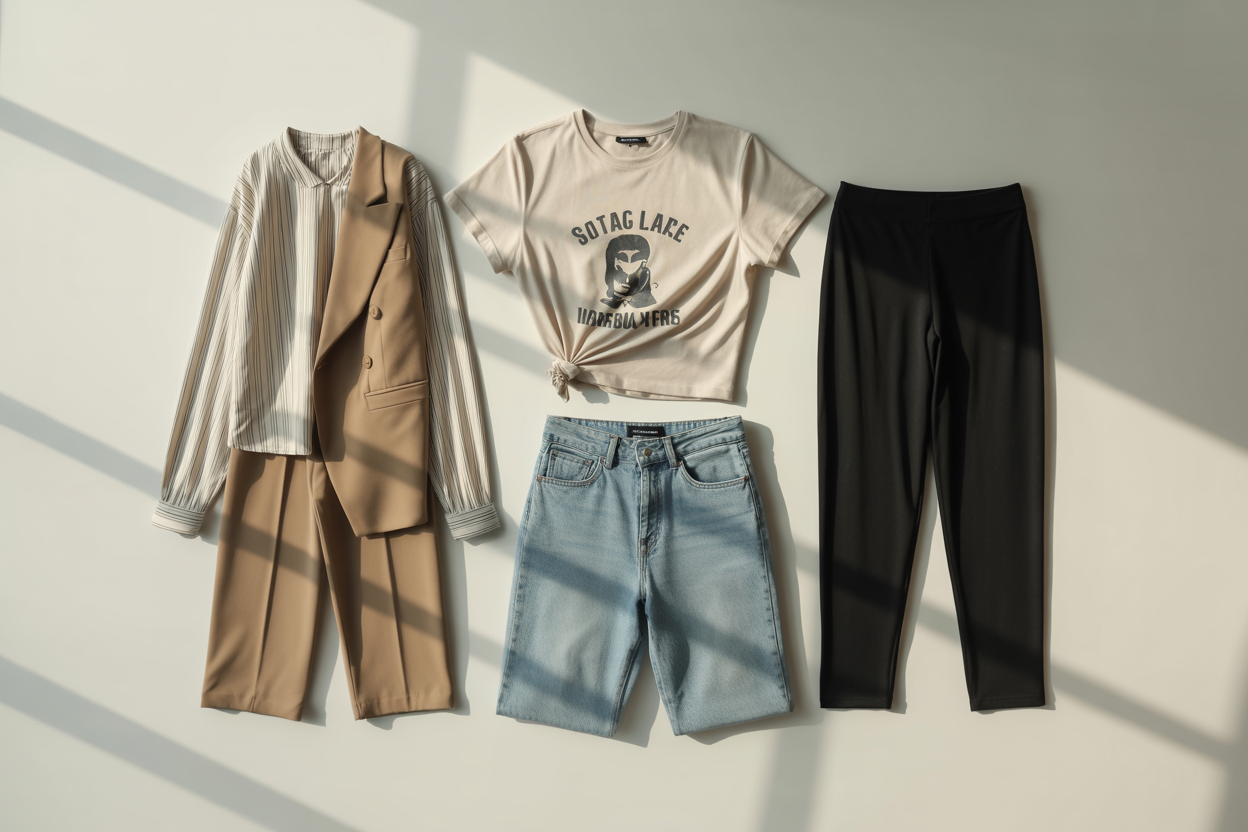
How durable print-on-demand clothing basics are compared to regular, mass-produced clothes.
Building a wardrobe you actually love doesn’t have to be complicated. It comes down to a handful of pieces that fit well, feel good, and reflect who you are — a go-to tee, the perfect pants, a longsleeeve with some character, reliable leggings, and a crop top that layers like a dream. When those pieces are made to order, you’re not just buying clothes — you’re investing in things that were made with you in mind, which means they last longer and feel more intentional.
Start small, choose well, and don’t be afraid to let your personality show up in the details. A great wardrobe isn’t about having the most options — it’s about having the right ones. If you’re ready to build yours, start with these five pieces and go from there. You might be surprised how much easier getting dressed becomes when everything in your closet actually works for you.
Tell Us What You Think
Which of these five pieces is already your most-worn item, and which one is missing from your closet? Let us know in the comments.

-
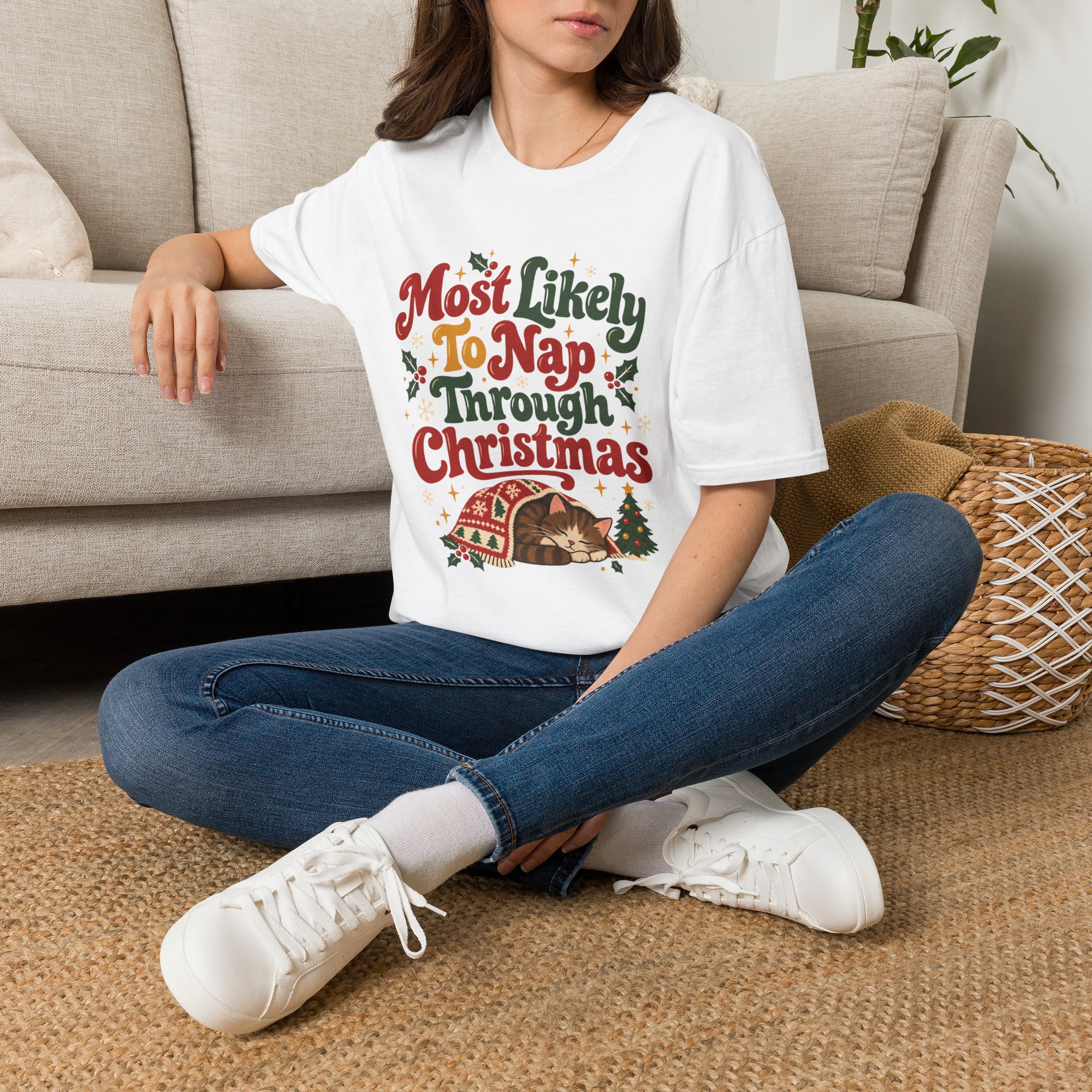 Price range: $22.38 through $29.07
 -
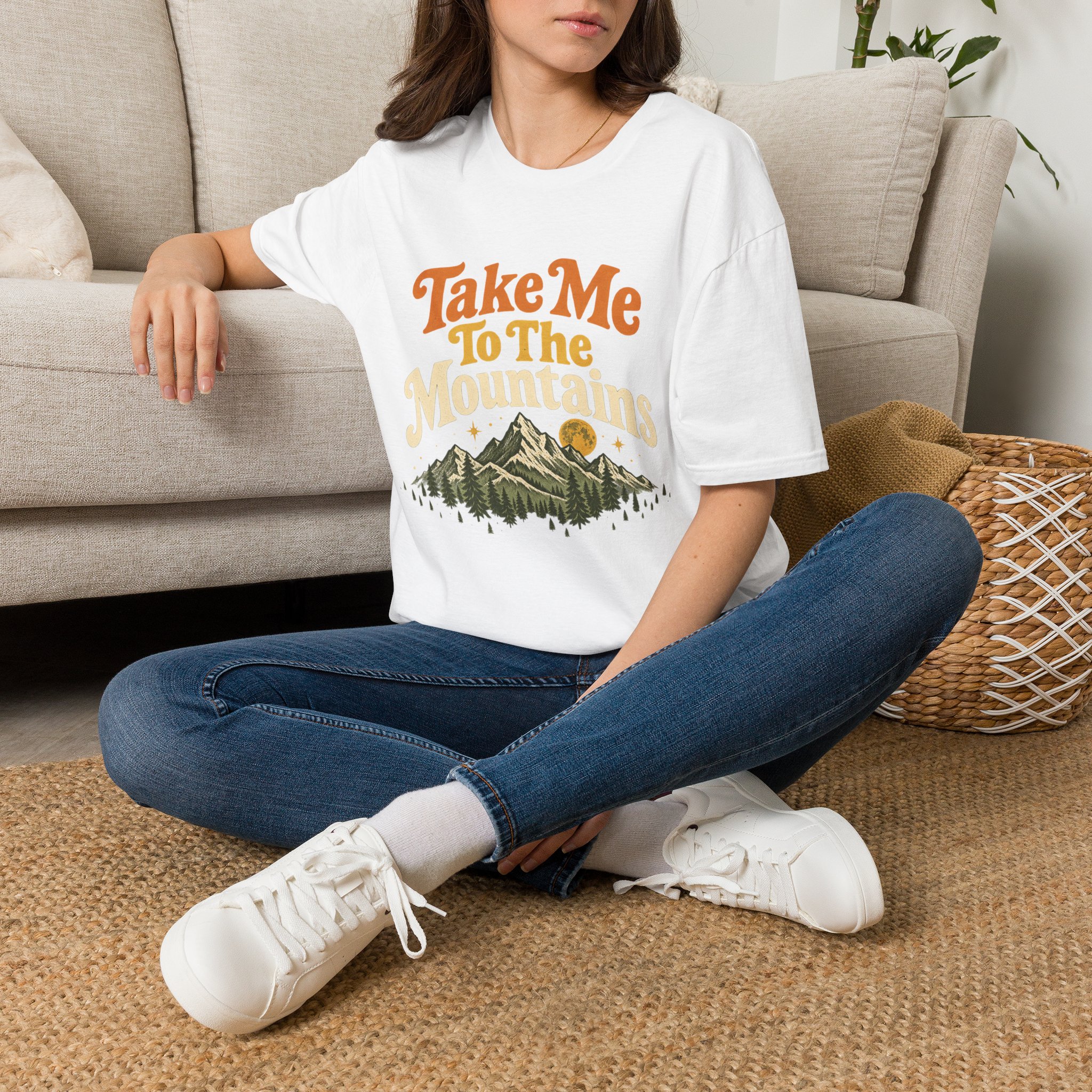 Price range: $22.38 through $29.07
 -
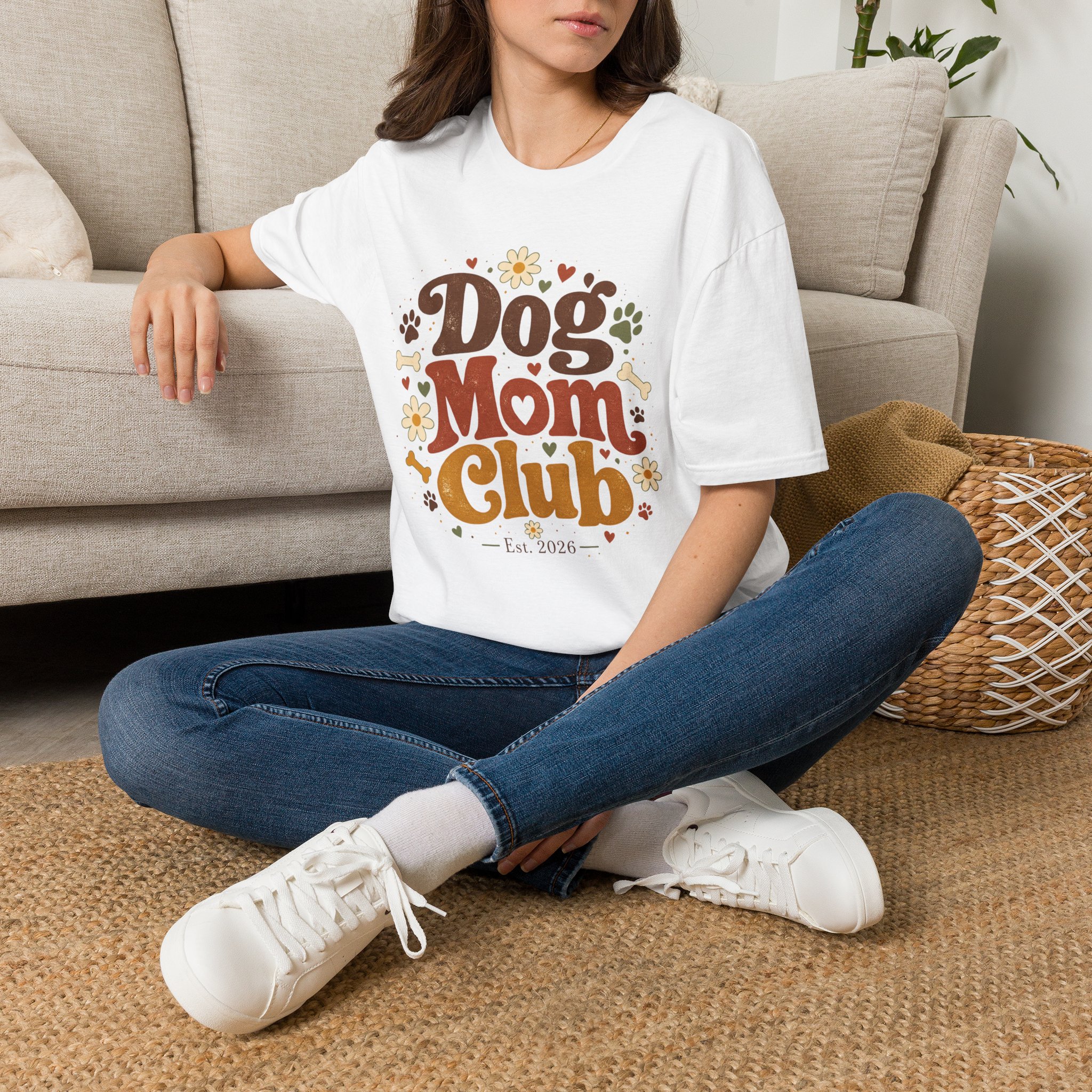 Price range: $22.38 through $29.07
 -
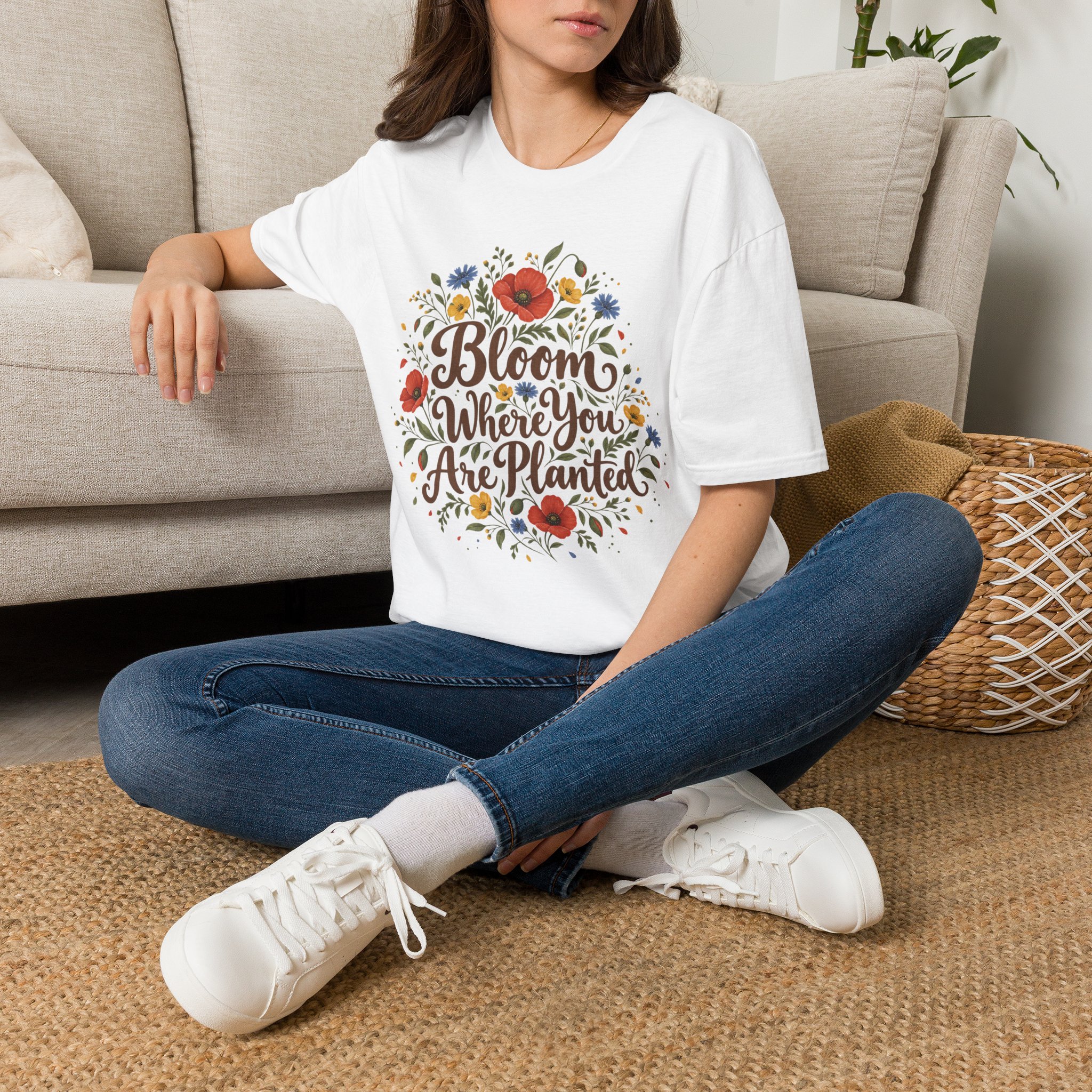 Price range: $21.43 through $28.17
 -
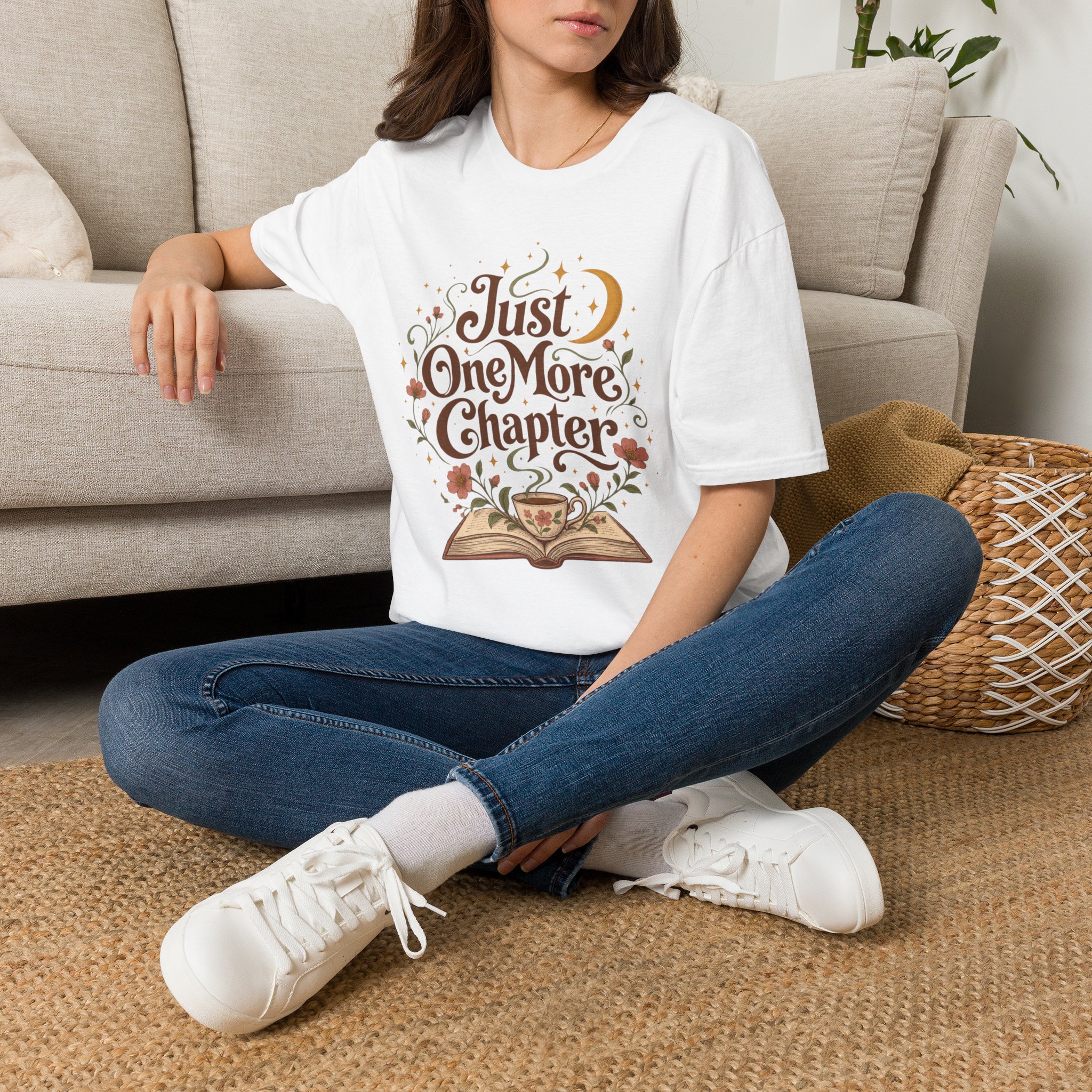 Price range: $22.38 through $29.07
 -
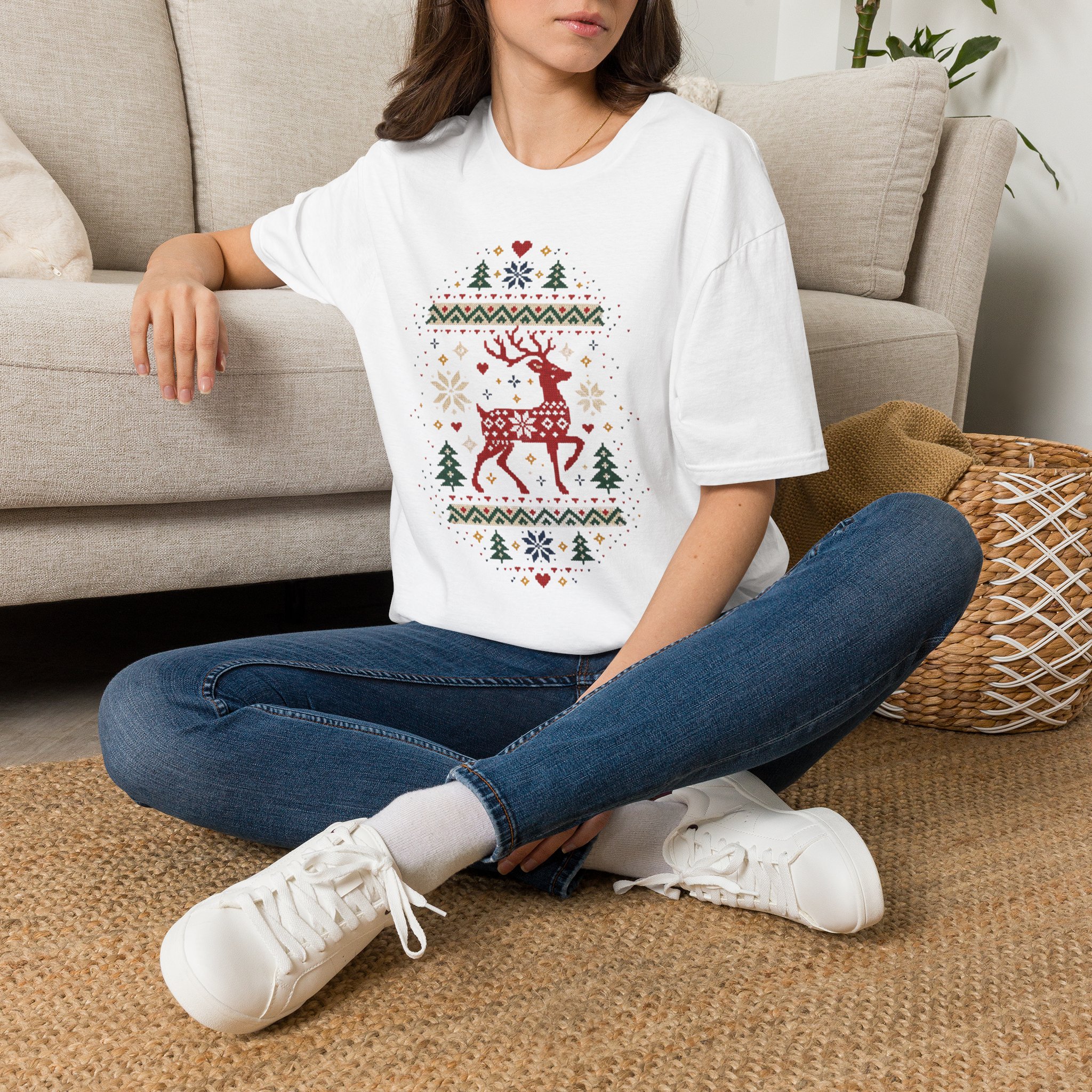 Price range: $22.38 through $29.07
 -
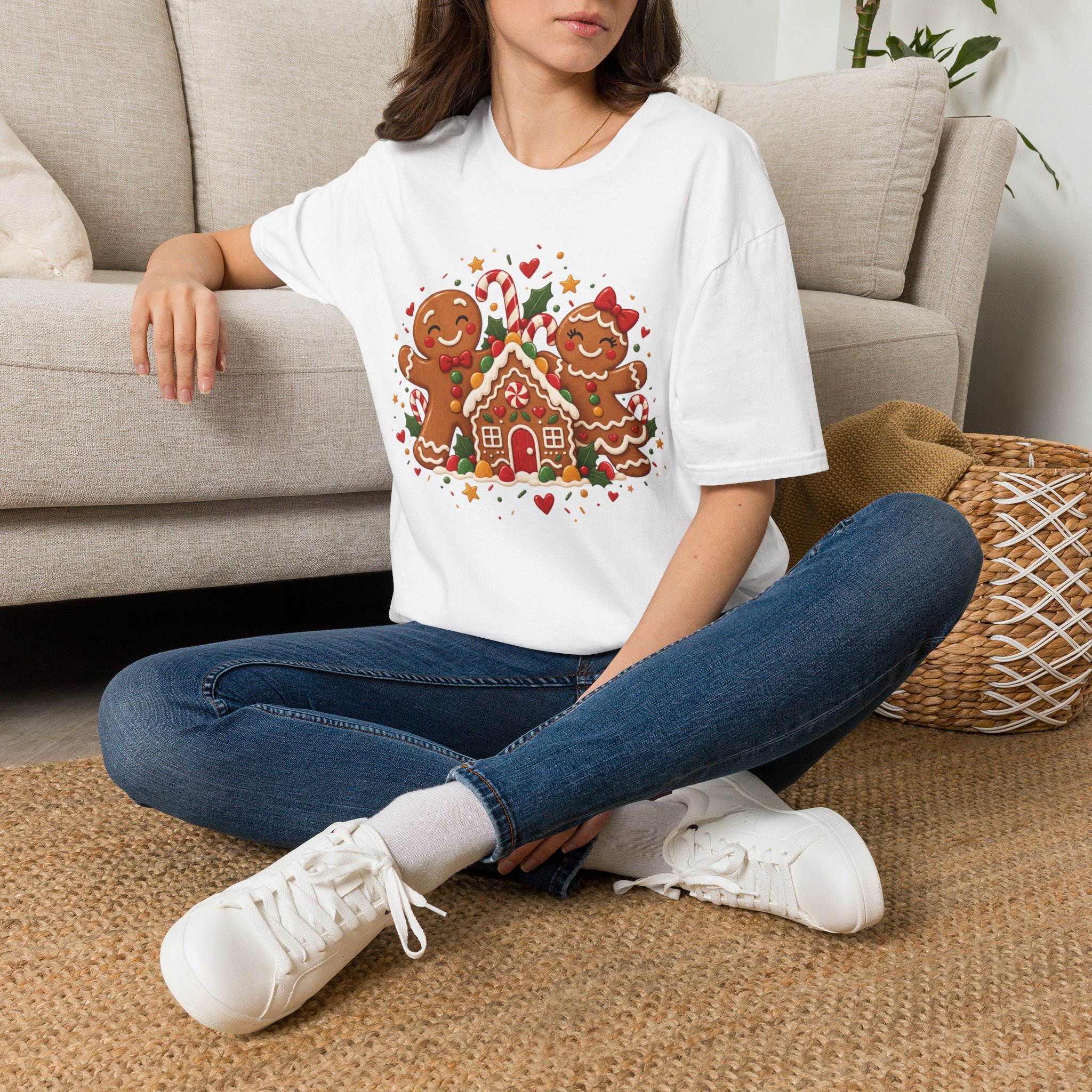 Price range: $22.38 through $29.07
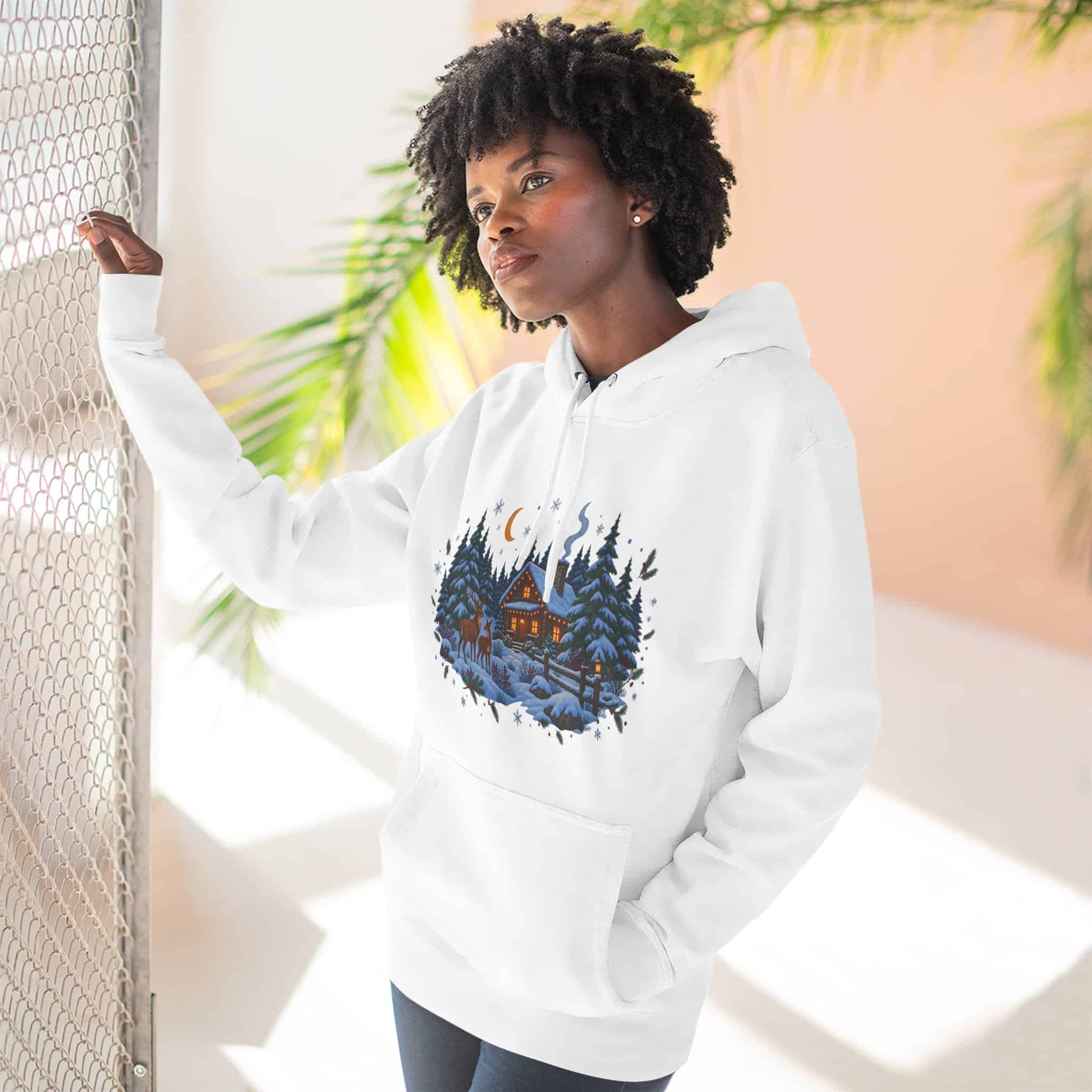

Recent Comments