
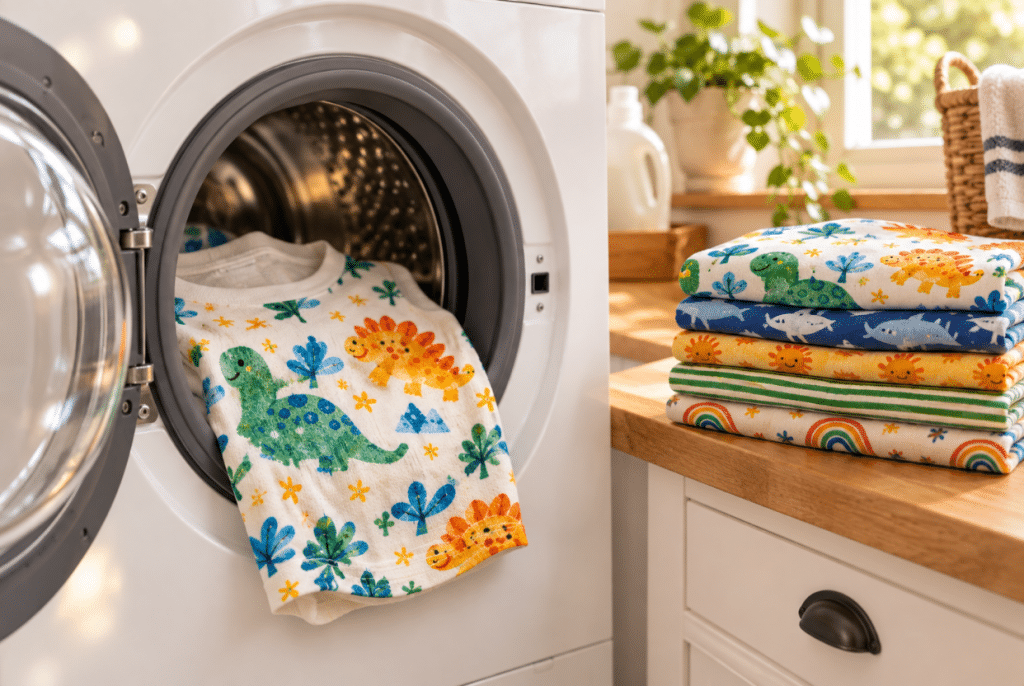
You finally found a printed piece you love — a bold floral, a graphic tee, a gingham dress — and after a handful of washes, the colors look tired. The print that once looked crisp and saturated now looks washed-out, slightly gray, a little sad. If this sounds familiar, you’re not imagining it, and you’re definitely not alone. Fading is one of the most common complaints about printed clothing, and it’s also one of the most preventable, once you understand why it actually happens.
The good news is that fading isn’t random bad luck. It follows predictable chemistry and physics, which means there are specific, controllable habits that make the difference between a print that looks new after 50 washes and one that looks faded after 10. This guide walks through exactly why prints fade, which laundry habits are the biggest culprits, and the step-by-step routine that will keep your printed pieces looking vibrant for years instead of months.
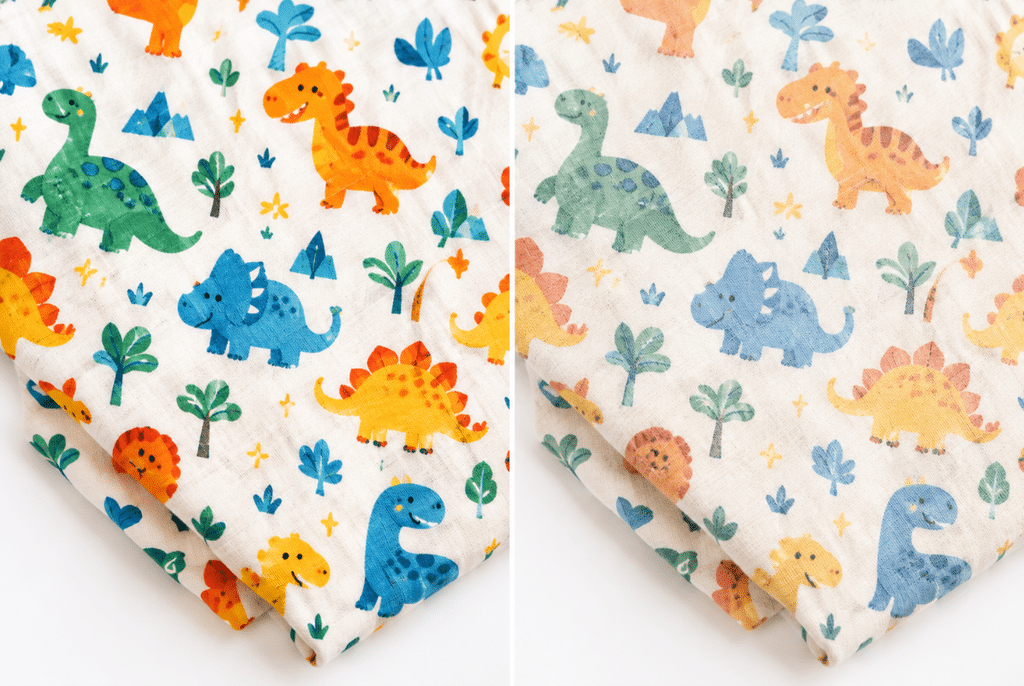
Vibrant printed fabric next to a faded, washed-out version of the same print.
Why Printed Clothing Fades in the First Place
How Prints Are Applied
Not all prints are created equal, and how a print is physically applied to fabric has a huge effect on how it holds up over time. Screen-printed graphics sit on top of the fabric as a layer of ink, which means the ink itself can crack, peel, or wear away from friction. Dye-sublimation prints, common in a lot of print-on-demand clothing, actually infuse the color into the fibers themselves rather than sitting on top, which tends to make them more wash-resistant. Woven patterns like gingham or plaid are created by dyeing the yarn before it’s woven into fabric, so the color is part of the thread structure itself rather than a surface coating — which is part of why woven patterns often fade more slowly than printed ones.
Understanding which category your printed piece falls into is the first step to knowing how careful you need to be. A cheap screen-printed graphic tee needs more protective care than a woven gingham shirt, even though both are technically “printed” in casual conversation.
What Fading Is, Chemically
At a molecular level, fading happens when the chemical bonds that hold color pigments or dyes in place start to break down. This can happen through oxidation (exposure to air, sunlight, or bleach), through mechanical abrasion (physical rubbing and friction), or through the dye molecules literally washing out of the fabric because they were never fully bonded to it in the first place. Heat accelerates almost all of these processes, which is why hot water and high-heat drying are two of the biggest fading culprits on any list.
🔑 Key Takeaways
- Fading happens through oxidation, friction, and dye molecules washing out — heat makes all three worse.
- How a print is applied (screen print, dye-sublimation, or woven-in) determines how fade-resistant it naturally is.
- The single biggest lever you control is water temperature — cold water dramatically slows fading.
- Turning printed clothing inside out before washing protects the print from friction against other garments.
- Sun exposure fades color just as effectively as washing does, so drying method matters as much as washing method.
The Biggest Fading Culprits
Hot Water
Hot water is, hands down, the single most damaging factor in premature fading. Heat opens up the fibers of the fabric and accelerates the breakdown of dye bonds, which means color molecules escape into the wash water far more easily than they would in cold water. Every wash cycle in hot water is essentially giving your print’s pigment an extra push toward the drain. If you only remember one fact from this entire guide, make it this one: hot water is the enemy of color retention, full stop.
Sunlight and Heat Drying
UV exposure breaks down dye molecules through photodegradation, which is the same reason curtains and outdoor furniture fade over time. Line-drying printed clothing in direct, blazing sun has the exact same effect on your favorite printed dress as it does on a patio cushion — slow, cumulative color loss. High-heat tumble drying compounds this by adding thermal stress on top of the mechanical tumbling action, which is a double hit to any dye that isn’t fully locked into the fabric.
Harsh Detergents and Bleach
Many mainstream detergents contain optical brighteners and strong surfactants designed to make whites look whiter, but these same ingredients can be aggressive on colored and printed fabric, stripping pigment along with dirt. Bleach is even more direct — it’s a color-destroying chemical by design, meant to break down pigment molecules, so even diluted contact with a chlorine-based bleach can leave visible fading or spotting on a printed piece within a single wash.
Friction
Every time fabric rubs against itself, a zipper, a button, or another garment in the wash, it experiences mechanical abrasion. For prints where color sits on the fabric’s surface, this friction gradually wears the pigment away, similar to how a coin’s engraving smooths out from years of handling. This is especially noticeable at high-friction zones like underarms, inner thighs, and anywhere fabric folds and rubs repeatedly.
💡 Designer Tip: If you only change one laundry habit after reading this, make it the water temperature. Switching printed clothing from hot to cold wash cycles alone can add years to how vibrant a print stays — it’s the single highest-impact change with zero cost and zero extra effort.
— Elena M., Honeh Design Team
Step-by-Step: How to Wash Printed Clothing Correctly
Step 1: Turn It Inside Out
This single step reduces the friction between the printed surface and everything else in the wash, whether that’s other clothes, the drum of the machine, or zippers and buttons. It takes two extra seconds and meaningfully reduces surface abrasion on the print over the piece’s lifetime. Make this a non-negotiable habit for anything with a graphic print, a photographic print, or a bold pattern you care about.
Step 2: Always Use Cold Water
Cold water (around 30°C / 86°F or cooler) is gentle on dye bonds while still being effective at cleaning most everyday dirt and body oils. Reserve hot water exclusively for genuinely soiled items like cloth diapers or heavily stained workout gear — not for your everyday printed pieces. If your washing machine has a “cold” or “delicate” preset, that’s your default setting for anything printed.
Step 3: Choose the Right Detergent
Look for detergents labeled “color-safe,” “free of optical brighteners,” or formulated for dark and bright colors specifically. These are gentler on dye without sacrificing cleaning power. A small amount of white vinegar added to the rinse cycle can also help set dye and reduce color bleed, particularly for pieces that were dyed rather than printed.
Step 4: Skip the Dryer When You Can
Air-drying flat or on a hanger, away from direct sunlight, is the gentlest option available. If you need to use a dryer, choose the lowest heat setting and remove the garment while it’s still slightly damp rather than running a full high-heat cycle to bone-dry. The combination of heat and tumbling friction in a dryer is one of the fastest ways to accelerate fading on a printed piece.
Fading by Print Type
Screen-Printed Graphics
Graphic tees and pieces with bold, flat-color screen prints are the most vulnerable to fading because the ink sits directly on the fabric surface. These need the full protective routine: inside-out, cold water, gentle detergent, and air-drying whenever possible. Skip the fabric softener on these too — softener can leave a residue that dulls the surface sheen of screen-printed ink over time.
Woven Patterns Like Gingham
Because woven patterns like gingham get their color from pre-dyed yarn rather than surface ink, they’re naturally more resistant to fading from friction. They still benefit from cold water and gentle detergent, but you have a bit more margin for error compared to a screen-printed graphic.
Dye-Based Prints Like Ditsy Florals
Prints like a ditsy floral that are dyed directly into the fabric fibers sit somewhere in the middle — more durable than surface-level screen prints, but still susceptible to sun fading and hot-water damage, especially in lighter, more delicate colorways where any pigment loss is immediately visible.
What to Do If a Piece Has Already Started Fading
Color-Reviving Washes
Color-catching sheets and dye-reviving products designed for home use can sometimes restore a small amount of vibrancy to a faded piece, particularly for solid-colored areas within a print. They won’t perform miracles, but they can meaningfully improve a piece that’s started looking dull rather than fully faded.
Accept the Fade, or Re-Dye
Sometimes a faded piece can be intentionally over-dyed a darker, complementary shade to give it new life, especially for pieces with simple, solid-background prints. For more complex multi-color prints, this usually isn’t practical, and the more realistic path is prevention from day one rather than repair after the fact — which is exactly why we at Honeh lean toward woven patterns and dye-sublimation printing methods wherever possible in our own pieces, since both hold color meaningfully longer than traditional screen printing under normal home-washing conditions.
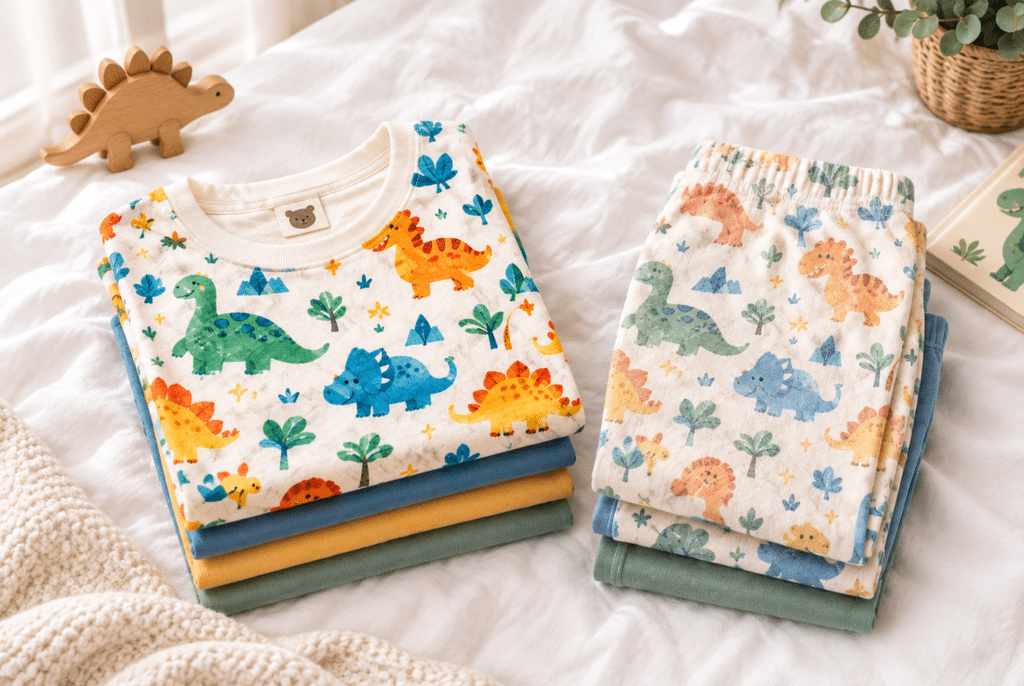
Folding a stack of colorful printed kids t-shirts after washing.
Special Considerations for Kids’ Clothing
Kids’ printed clothing faces an even tougher environment than adult clothing: more frequent washing, more staining, and far more physical friction from active play. Because of this, following proper care guidelines for kids’ printed clothing matters even more, since a favorite dinosaur graphic or floral dress often has to survive dozens of extra wash cycles compared to something worn only occasionally. Washing kids’ printed pieces inside out and in cold water is arguably even more important here, simply because of how much more often they go through the laundry.
Drying and Storage Habits That Protect Color
Beyond the wash cycle itself, how you dry and store printed clothing matters more than most people realize. Hanging printed pieces in a closet that gets direct afternoon sun through a window can fade them just as surely as tumbling them in a hot dryer — cumulative UV exposure adds up over months, even if no single day feels significant. Folding printed pieces instead of hanging them, especially in a drawer away from light, is a small habit that measurably extends color life for pieces you’re not wearing on rotation.
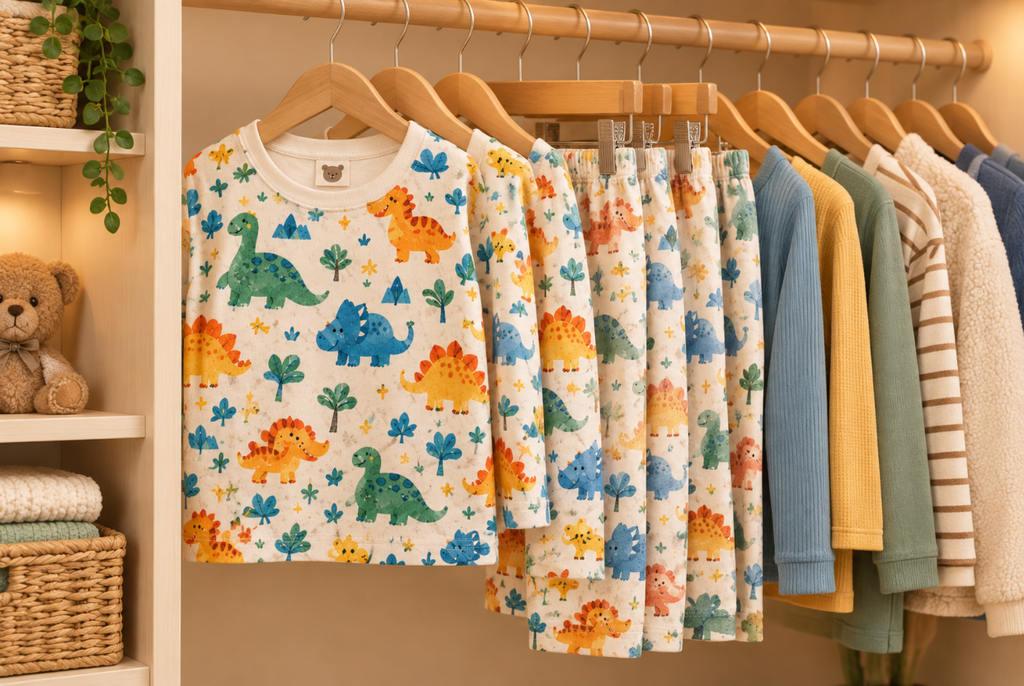
Colorful printed clothing hanging in a closet away from direct sunlight.
Common Fading Myths, Debunked
Myth: Fabric softener helps keep colors bright. In reality, fabric softener coats fibers with a waxy residue that can actually dull printed surfaces over time and reduce how vividly a print reflects light, especially on screen-printed pieces.
Myth: More detergent means a better, gentler wash. Using more detergent than necessary just means more chemical residue interacting with the dye over more wash cycles — it doesn’t protect color, it just means more product left in the fabric.
Myth: If a print has already faded slightly, there’s nothing you can do. While you can’t fully reverse fading, adjusting your washing habits going forward can meaningfully slow further fading and preserve whatever vibrancy remains, which matters over a garment’s remaining lifespan.
Does Water Hardness Affect How Fast Colors Fade?
Hard water, which contains higher mineral concentrations of calcium and magnesium, can interfere with how well detergent dissolves and rinses out of fabric, sometimes leaving mineral deposits that make colors look slightly dull or chalky over time even without true dye loss. If you live in a hard-water area, adding a small amount of water softener to your wash or using a detergent formulated for hard water can help printed pieces rinse cleaner and keep their true color showing through, rather than looking muted under a thin mineral film.
How to Test If a Detergent Is Actually Color-Safe
Not every product labeled “color-safe” performs the same in practice. A simple test is to wash a scrap of similarly printed fabric, or an inexpensive printed piece you don’t mind risking, a few extra times in a row with the detergent you’re considering, then compare it side by side with an unwashed sample. If you notice visible dulling after just three or four wash cycles, it’s a sign the detergent is more aggressive than its label suggests, and it’s worth switching to a gentler, dye-specific formula for anything you actually care about keeping vibrant.
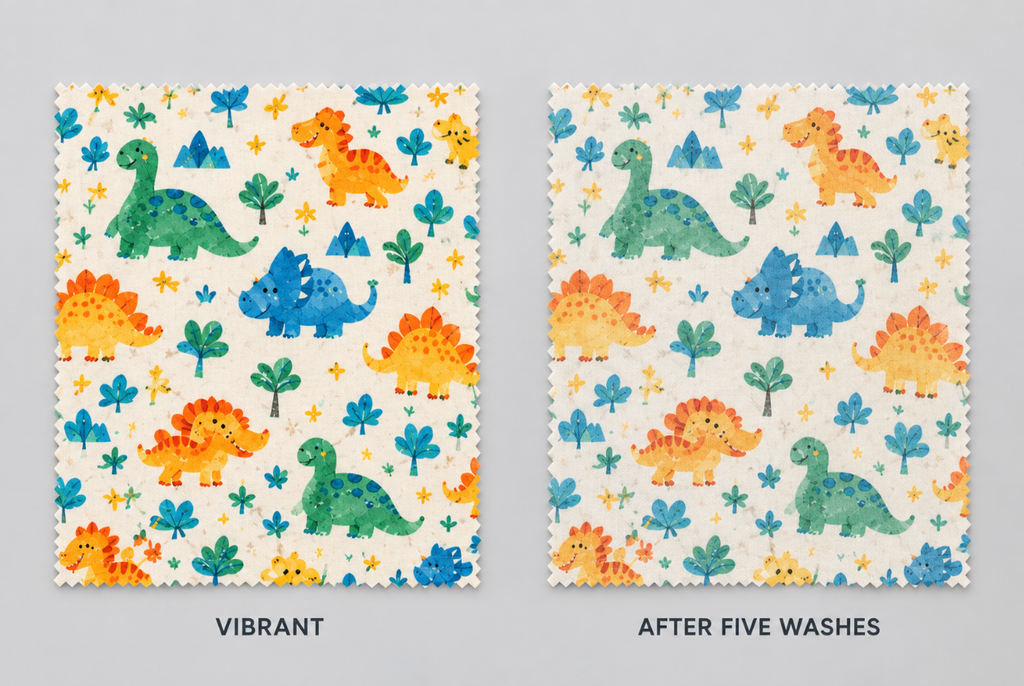
Two printed fabric swatches comparing vibrant color to color faded after washing.
A Simple Weekly Laundry Routine for Printed Clothing
Building color protection into your routine doesn’t need to be complicated. Sort printed pieces into their own gentle, cold-water load rather than mixing them with heavily soiled items or anything that needs hot water. Turn everything inside out as you sort, use a color-safe detergent measured according to the label rather than eyeballing an extra glug, and either air-dry or use the lowest heat, shortest cycle your dryer offers. Once this becomes automatic, protecting a printed piece’s color stops feeling like an extra chore and just becomes how you do laundry.
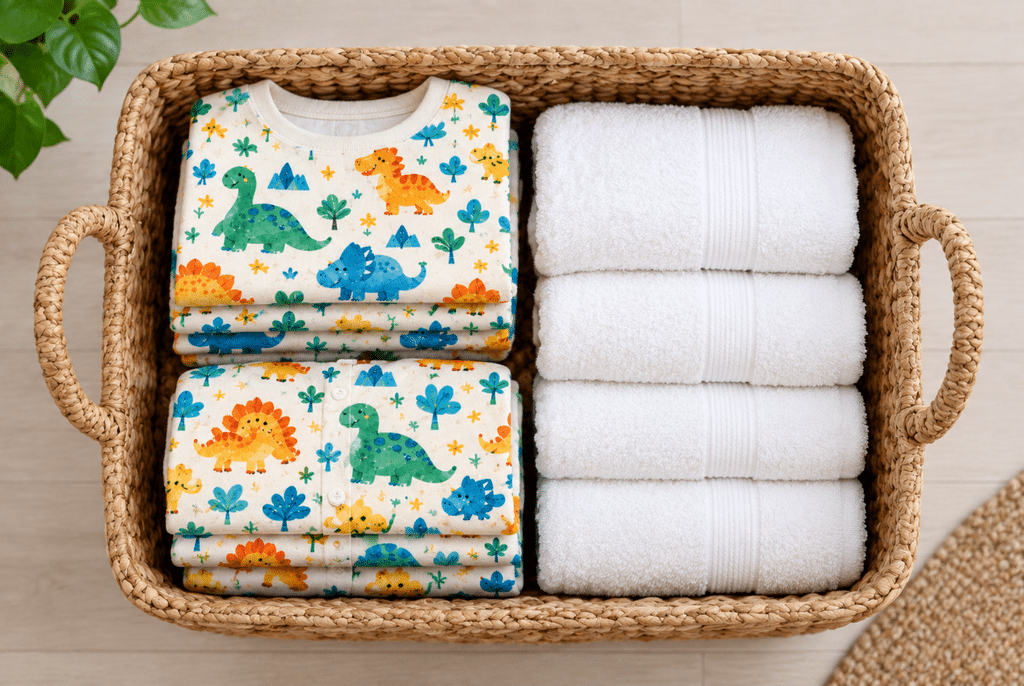
Printed clothing sorted separately in a laundry basket for a gentle wash.
Does Fabric Type Affect How Fast a Print Fades?
Cotton and Cotton Blends
Cotton absorbs dye readily, which is great for rich, saturated color initially, but it also means cotton can release that same dye more easily under the wrong washing conditions. Cotton blends with polyester tend to hold color slightly better than 100% cotton because the synthetic fibers resist dye penetration and release more evenly.
Cotton Jersey
Knit cotton jersey, the fabric behind most t-shirts and casual dresses, is especially prone to pilling and surface friction damage, which compounds fading on printed designs. Following the right cotton jersey care routine — cold water, gentle cycle, inside out — makes a real difference specifically because jersey’s looser knit structure exposes more surface area to friction than a tighter weave would.
Polyester and Synthetic Prints
Polyester holds dye-sublimation prints exceptionally well because the printing process actually bonds color at a molecular level with the synthetic fibers, making it one of the most fade-resistant combinations available for printed clothing. This is part of why so many performance and athletic printed pieces use polyester bases rather than natural fibers.
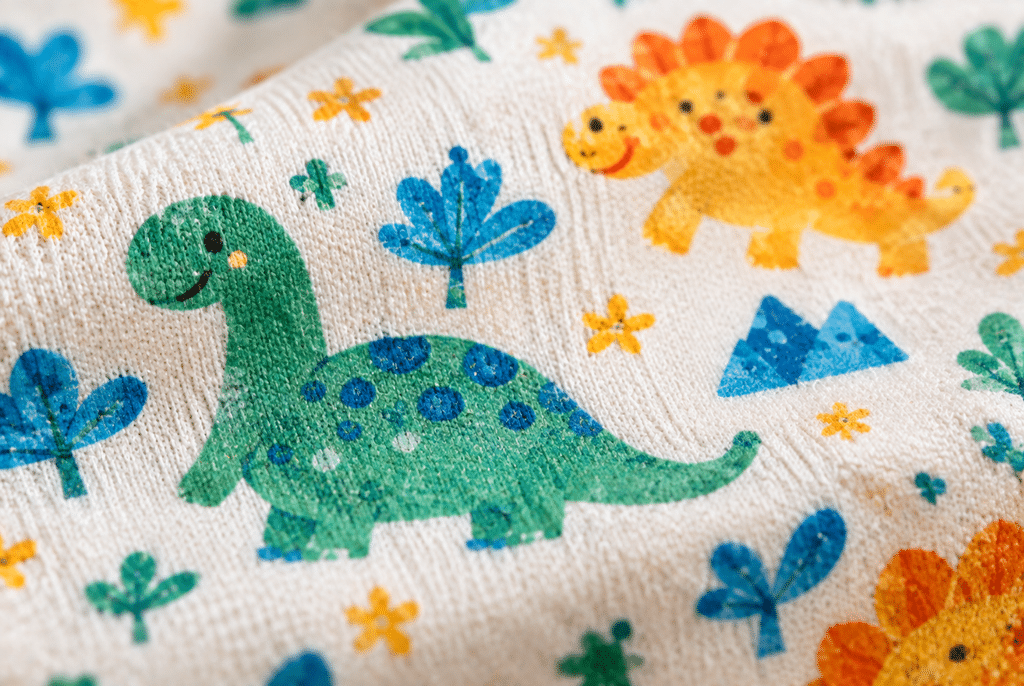
Macro close-up of printed cotton jersey fabric texture.
Tell Us What You Think
Do you have a laundry trick that’s kept a favorite printed piece looking new for years? Or a piece you wish you’d washed differently from day one? Share your experience in the comments below — we’d love to hear what’s worked for you.
FAQ
Why does printed clothing fade faster than solid-colored clothing?
Printed designs, especially screen-printed graphics, often sit as a layer of ink on top of the fabric rather than being woven into the fibers, which makes them more vulnerable to surface friction and chemical breakdown from hot water, harsh detergent, and sunlight than a solid-dyed garment.
Is cold water really enough to clean printed clothing properly?
Yes, for the vast majority of everyday washing, cold water combined with a good detergent removes body oils, everyday dirt, and light stains effectively while protecting dye bonds. Reserve hot water for genuinely soiled items that need it.
Should I always turn printed clothing inside out before washing?
Yes, this is one of the simplest and most effective habits for reducing fading. It protects the printed surface from friction against other garments, zippers, and the inside of the washing machine drum.
Does air-drying really make a difference compared to using a dryer?
It makes a significant difference. Heat and tumbling friction in a dryer accelerate both oxidation and mechanical wear on printed surfaces, while air-drying flat or on a hanger avoids both of these stressors entirely.
Can I use fabric softener on printed clothing?
It’s best to avoid it. Fabric softener leaves a residue that can dull the appearance of printed surfaces over time and reduce how vibrant the colors look, even if the print itself isn’t chemically damaged.
Are some printing methods more fade-resistant than others?
Yes. Dye-sublimation printing, which bonds color at a fiber level, tends to be significantly more fade-resistant than traditional screen printing, where ink sits on top of the fabric surface.
Once a print starts fading, is there anything I can do to fix it?
Full color restoration usually isn’t possible, but color-reviving wash products can improve mild fading, and adjusting your washing habits going forward will slow further color loss and preserve the vibrancy that remains.

-
 Price range: $22.38 through $29.07
 -
 Price range: $22.38 through $29.07
 -
 Price range: $22.38 through $29.07
 -
 Price range: $21.43 through $28.17
 -
 Price range: $22.38 through $29.07
 -
 Price range: $22.38 through $29.07
 -
 Price range: $22.38 through $29.07





Recent Comments